
Last updated November 2, 2026
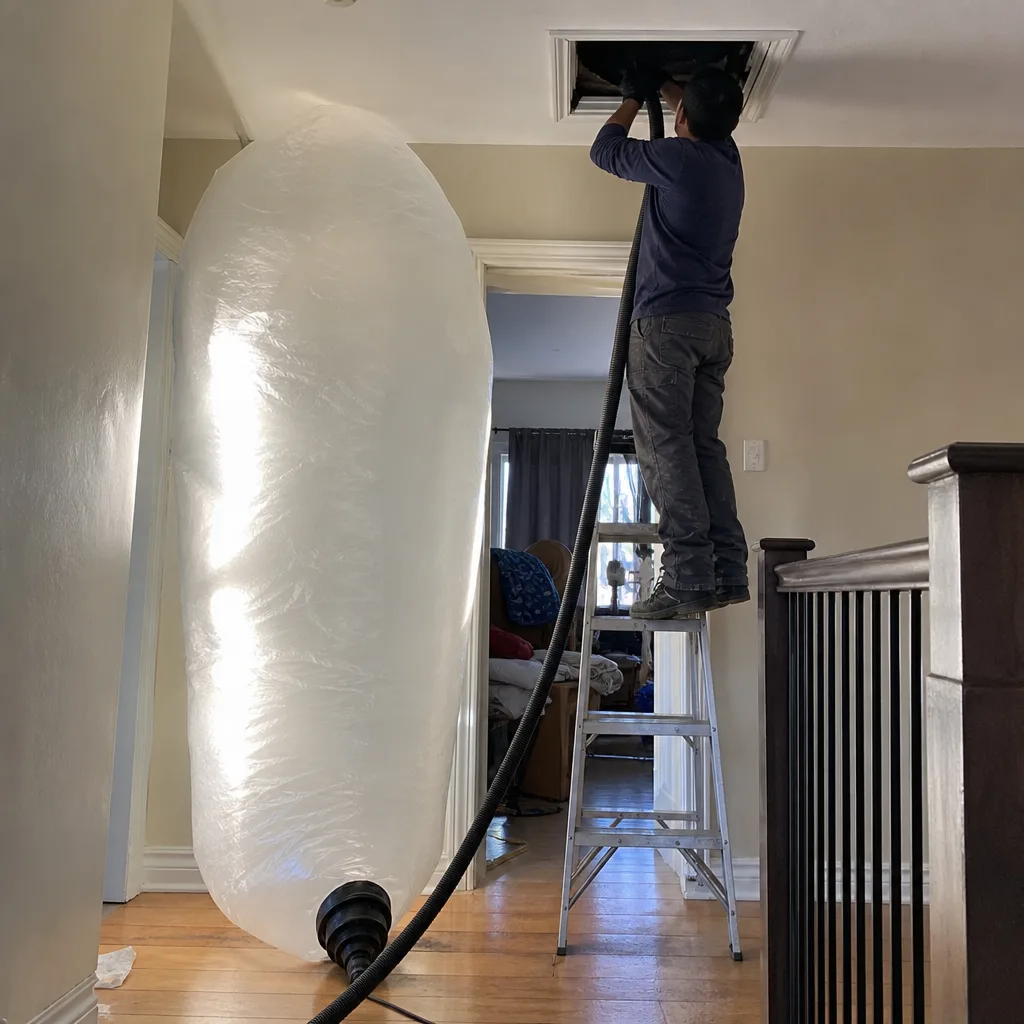
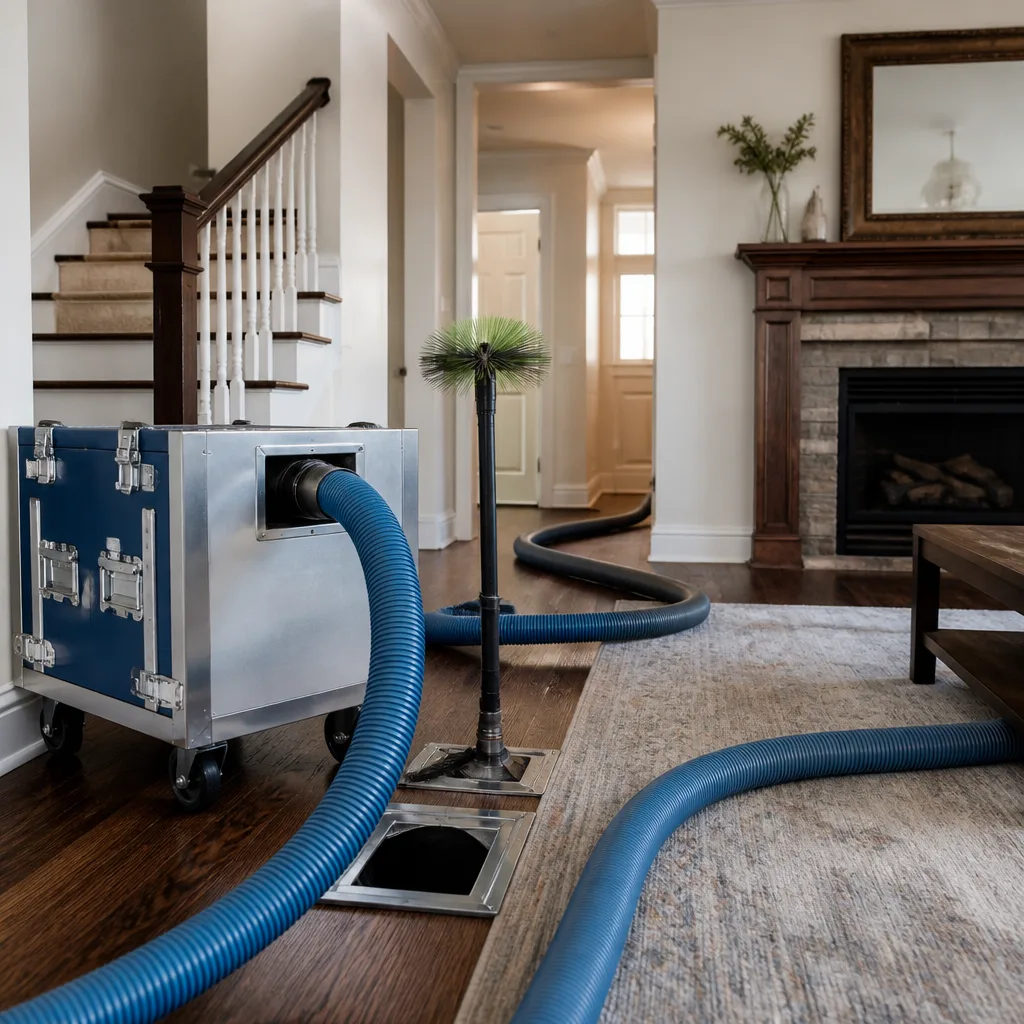 Whole-home duct cleaning
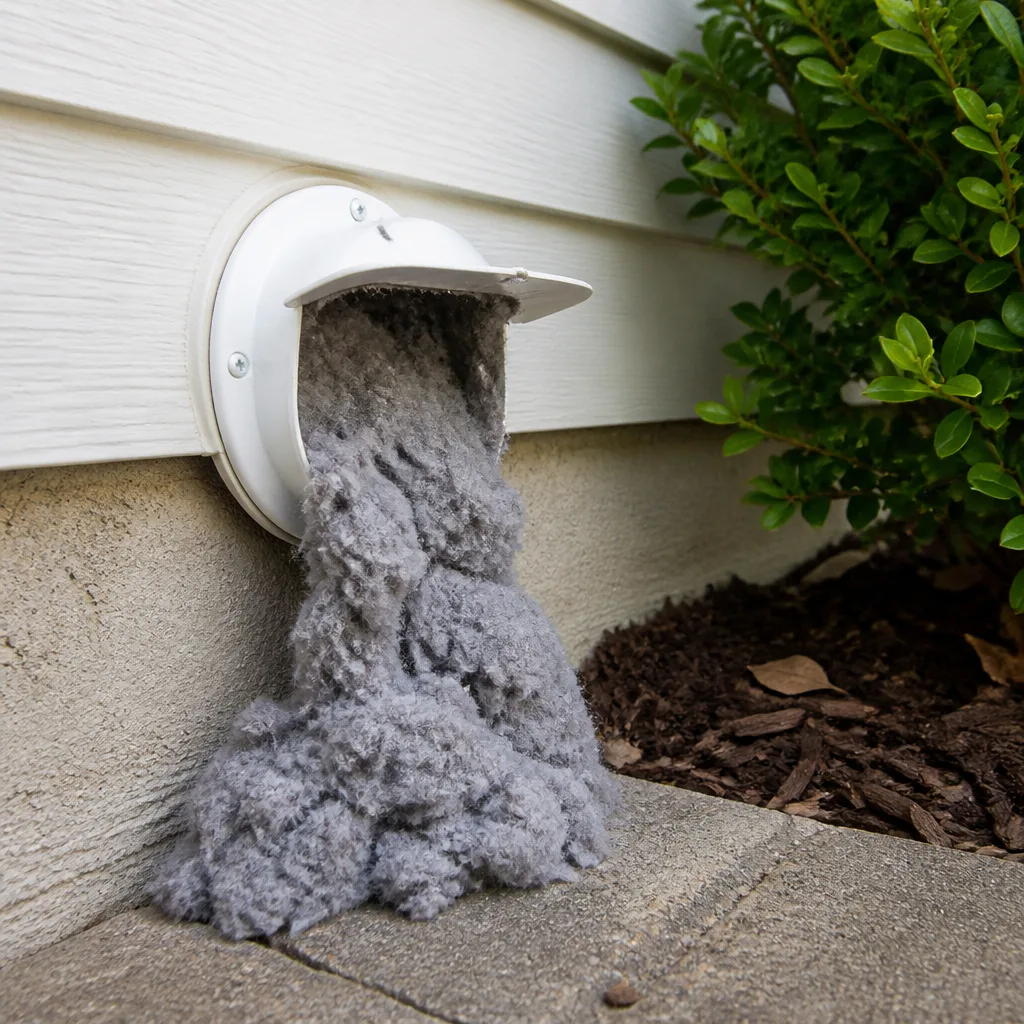 Dryer vent cleaning
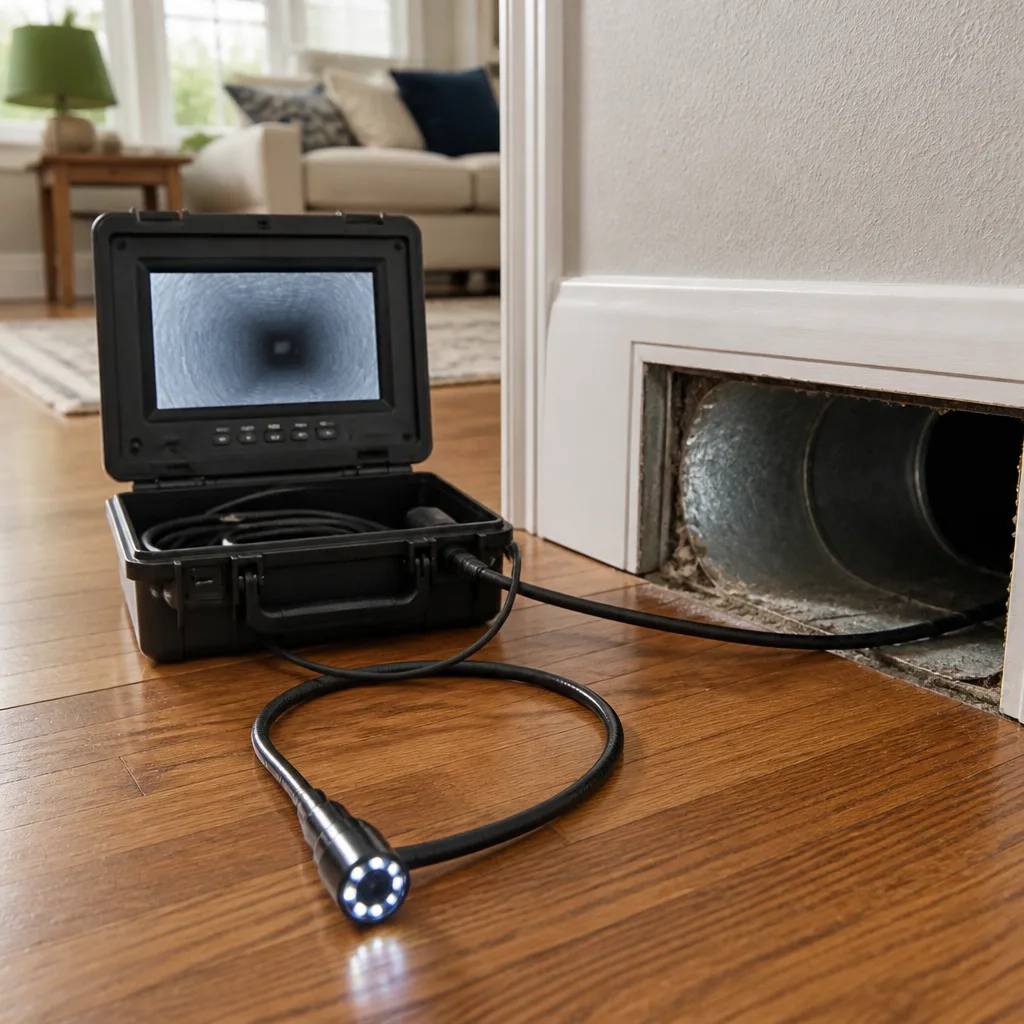 Camera inspection
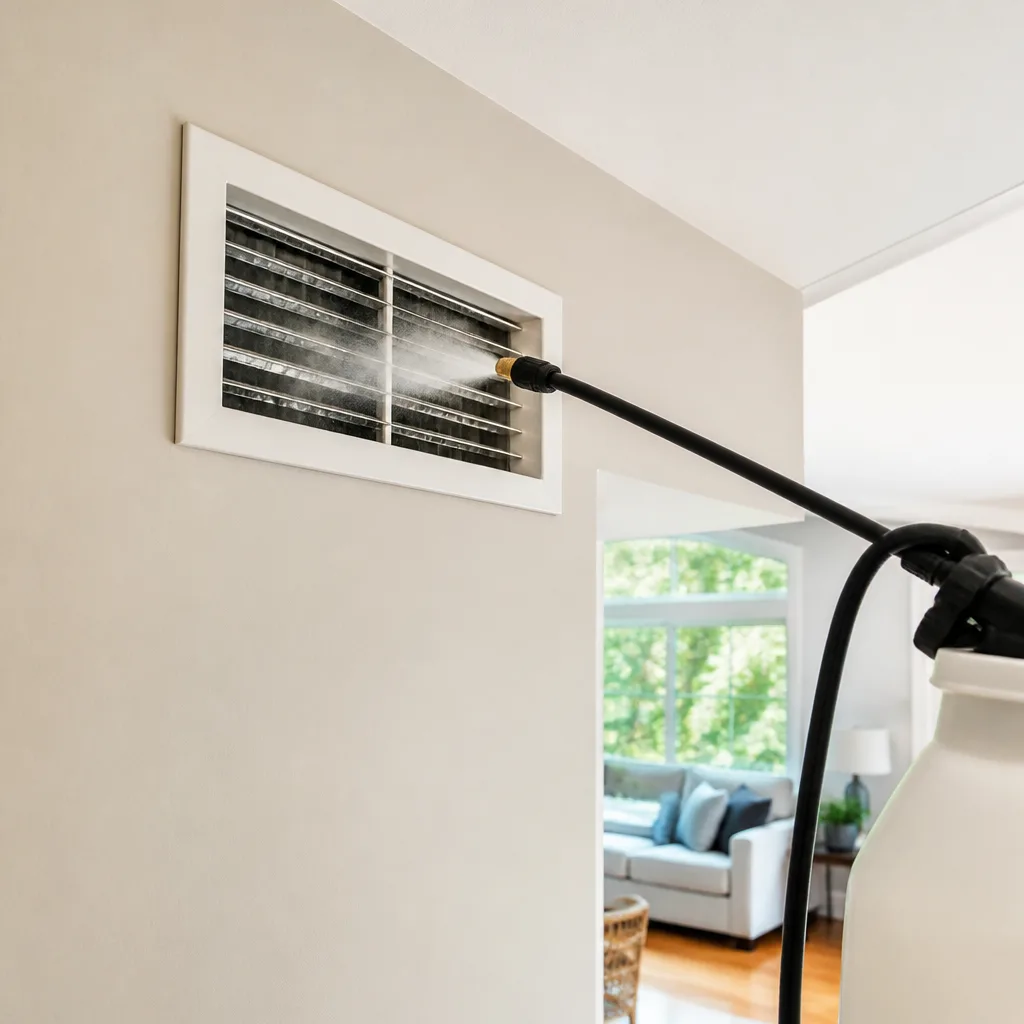 Sanitizing & deodorizing
Whole-system duct and dryer vent check with before-and-after photos - you see exactly what came out of your vents
That "$99 whole-house special" is a bait ad - the real number appears once they are in your hallway, or the "clean" is a shop-vac at the register. We photograph the inside of your ducts before and after instead.
Air Duct Cleaning Warning Signs: A Lancaster Homeowner’s Reference Guide
Visible dust blowing out of your registers isn’t a warning sign. It’s a system that’s been compromised for months. By the time you see particles streaming into a sunbeam from a supply vent, whatever was supposed to contain them has already failed. The real warning signs show up weeks earlier. They hide in the way a door drifts on its hinges, in the faint gray ring forming around a register grille, in an HVAC system that runs longer than it did last summer. Lancaster’s dry, dusty climate accelerates every one of these failures. This guide teaches you to read the early signals before they become expensive repairs.
Quick Answer
Air duct cleaning warning signs in Lancaster include doors that drift open or closed on their own, a gray-black ring pattern around register grilles, HVAC runtime changes (longer cycles or frequent short-cycling), and persistent odors that don’t fade after the system stops running. These indicators mean restricted airflow, filter bypass, or contamination inside the ductwork. You should schedule an inspection when any two appear together.
Styles & brands we work with
- Whole-home duct cleaning
- Dryer vent cleaning
- Camera inspection
- Sanitizing & deodorizing
Table of Contents
- Signs You Can See: Register Rings, Dust Patterns, and Filter Evidence
- Signs You Can Feel: Pressure Imbalance and the Drifting Door Test
- Signs You Can Hear: What Your HVAC Runtime Is Telling You
- Signs You Can Smell: Musty, Burnt, and Earthy Odor Profiles
- Dryer Vent Warning Signs: Why They Belong in This Guide
- Lancaster-Specific Factors: Why Our Climate Accelerates Duct Problems
- A 10-Minute Homeowner Inspection Checklist
Signs You Can See: Register Rings, Dust Patterns, and Filter Evidence
The most reliable early warning sign is also the easiest to misread. Normal dust accumulation on register grilles looks like a thin, even coating of light gray or tan. It’s loose, it wipes off with a finger, and it returns at roughly the same rate everywhere in the house.
The warning sign looks different. It’s a gray-black ring pattern that forms around the edges of the supply register, exactly where the grille meets the drywall or floor opening. This ring isn’t random dust settling. It’s particle bypass. Air leaking around the register boot or a degraded filter seal pulls unfiltered air through the gap and deposits the finest particles right at the boundary. We see this pattern constantly in Lancaster homes, especially in older neighborhoods like the areas around Lancaster Boulevard where original ductwork has decades of thermal expansion behind it. The ring means air is moving where it shouldn’t. It means the filter isn’t catching what it’s supposed to catch. And it means those same particles are also being pushed into the rooms you live in, not just around the edges of the vent.
How to check:
- Remove the register grille and look at the back side, especially the edge where it meets the opening.
- Wipe the wall or floor surface around the opening with a damp white cloth.
- If the cloth comes away gray-black and slightly sticky, that’s active particle bypass. If it’s just dust-gray and dry, it’s normal accumulation.
- Check three registers: one near the air handler, one in the farthest room, and one in a hallway. A pattern that’s consistent across all three is duct-level, not grille-level.
Filter evidence works the same way. A filter that’s dark only on one side is doing its job. A filter that’s dark on both sides, or that has visible gaps along the frame, or that you’re replacing twice as often as the packaging suggests, means bypass is happening before the filter or around it. In Lancaster, where our dry air keeps fine dust suspended longer, a quality filter with a proper seal matters more than it does in humid climates where particles clump and settle faster.
Signs You Can Feel: Pressure Imbalance and the Drifting Door Test
Here’s a warning sign almost nobody connects to ductwork: an interior door that drifts open or closed on its own.
Most Lancaster homeowners write this off as a settling house or a hinge that needs tightening. Settled doorframes are common here, sure. But if a door moves consistently in one direction when the HVAC fan kicks on, and it stays put when the system is off, that’s not the frame. That’s air pressure. And air pressure is ductwork’s final report card.
Your HVAC system is designed as a balanced closed loop. It pushes air out through supply ducts and pulls air back through return ducts. If the return side is restricted, a dirty filter, a crushed return duct, a return register blocked by furniture, the system starts pulling air from wherever it can find it. Interior doorways become return-air paths. A door that drifts toward the room with the return register when the system runs is telling you the return path is starved. A door that drifts away from a room when the system runs is telling you that room is over-pressurized, usually because the supply path into it is more open than the return path out of it.
How to run the test:
- Open all interior doors about two inches. Turn the HVAC fan to “ON” (not auto) so it runs continuously.
- Walk the house and note which doors drift and in which direction.
- Turn the fan off and re-check the same doors. If the drift stops, the cause is pressure, not hinges.
- Repeat with the doors fully open and a piece of tissue held at the bottom corner. Air movement you can see against the tissue confirms pressure differences.
A home with balanced ducts doesn’t do this. When we clean and repair duct systems in Lancaster, part of the service is restoring that balance. It’s not just about removing dirt. Restricted airflow is a mechanical problem with health and efficiency consequences. We’ve seen return ducts in older Lancaster homes collapsed by decades of heat and pressure changes, and the only symptom the homeowner noticed was a bedroom door that wouldn’t stay open in summer. The duct was the disease. The door was the symptom.
Signs You Can Hear: What Your HVAC Runtime Is Telling You
Most HVAC troubleshooting articles jump straight to refrigerant levels and compressor failure when they talk about runtime. But restricted duct airflow produces its own distinct runtime patterns, and recognizing them can save you from an unnecessary service call or, worse, replacing a compressor that was never the problem.
A healthy HVAC system in Lancaster runs in cycles. In our summer heat, those cycles are longer. In spring and fall, they’re shorter. What you’re listening for is change from the system’s own baseline.
The first pattern is creeping runtime. The system still reaches the thermostat setpoint, but each cycle takes longer than it did last month or last season. Not dramatically. Maybe a few minutes. Maybe ten. You notice it because the system seems to run “all afternoon” when it used to cycle off mid-day. This pattern correlates with gradually increasing duct restriction. As contamination builds inside duct walls, the system has to push harder to move the same volume of air. It gets there, but slower. Efficiency drops. Energy cost rises. And the restriction feeds itself: slower airflow means more particle deposition, which means more restriction.
The second pattern is frequency increase, short-cycling without a refrigerant or thermostat cause. The system starts, runs for a short period, shuts off, then starts again sooner than it should. If the condenser coil is clean, refrigerant levels check out, and the thermostat is working, restricted ducts can cause this by creating a temperature delta the thermostat reads as “reached” even though air distribution throughout the house is uneven. Rooms cool at different rates. The thermostat room reaches setpoint while the back bedroom is still warm. The system shuts off. Five minutes later the thermostat room warms back up because air mixing through the house is poor. The system starts again. This on-off behavior shortens compressor life and doubles energy use.
If you keep a simple log, dates, outdoor temperature, cycle on-time, cycle off-time, for a week, you can see these patterns yourself. That log is also the single most useful piece of information to bring to an HVAC or duct professional in Lancaster. It separates duct problems from mechanical problems in the first ten minutes of diagnosis.
Signs You Can Smell: Musty, Burnt, and Earthy Odor Profiles
Smell is the most location-specific warning sign, and the most commonly misdiagnosed. Odor from ductwork changes character depending on where in the system the source lives. Learning the profiles helps you guess at the problem before anyone opens a panel.
Musty odor is the classic “dirty sock” smell. It’s most noticeable when the system first starts, then fades after a few minutes of runtime. That timing matters. If the smell were coming from a wet floor or a wall cavity, it would be constant. Coming from ducts, it peaks at startup because that’s when the fan stirs up whatever has settled on the duct surfaces and pulls it past your nose. Musty means microbial growth potential. In Lancaster’s climate, humidity inside ducts is usually the result of condensation cycling: cool air at night, warm air during the day, moisture forming on duct surfaces. The AC coil area is the most common source. If the smell is strongest at supply registers and fades within minutes, the source is usually the coil, drain pan, or supply-side ductwork near the air handler.
Burnt or hot-dust odor typically appears at the start of heating season, or the first few times an electric heat strip or furnace igniter runs after months of disuse. A fine layer of dust settles on heating elements during the off-season. When they fire up, that dust burns off. A single brief episode is normal. But if the smell persists beyond the first several cycles, or if it appears during cooling season, something else is happening. Overheating components, a failing fan motor, or dust that has been drawn into the blower housing can all produce a hot electrical or hot-dust smell that doesn’t go away. This one deserves immediate attention. It signals heat where heat doesn’t belong.
Earthy or dirty smell, like dry soil or dust kicked up from a dirt road, often points to a return air leak drawing from an unconditioned space. Attic air in Lancaster is gritty and hot. Crawlspace air is dry and dirty. If a return duct has separated at a joint or pulled loose from the return plenum, the system pulls that unfiltered air directly into the house. The smell doesn’t fade with runtime the way a surface-contamination smell does. It’s continuous because the source is continuous. This is also where you may see the gray-black register ring pattern from the first section, since the leaking return air carries fine particles that deposit around supply openings.
Odor diagnosis is part of why we run containment equipment from Abatement Technologies during cleaning work. The source has to be identified before cleaning begins, or you end up masking a symptom instead of removing a cause.
Dryer Vent Warning Signs: Why They Belong in This Guide
A dryer vent is a duct. It carries air, it accumulates contamination, and it fails in predictable ways. Leaving it out of a duct warning-sign guide is like writing a car maintenance manual that skips the brake lines. In Lancaster, where lint dries fast and fine dust is everywhere, dryer vent restriction builds quickly.
The two signs that matter most are extended dry times and heat where heat shouldn’t be. If a load that used to dry in 45 minutes now takes 70, and you haven’t changed the dryer or the load size, restriction is the most likely cause. The dryer is still producing heat and tumbling air exactly as it always did. What’s changed is the path out. Lint buildup narrows the vent. Back pressure increases. The dryer’s moisture-sensing cycle keeps extending because the air moving through the drum isn’t carrying moisture away fast enough. You’re paying for the same electricity but getting slower results.
The second sign is a laundry room wall that’s warm to the touch during operation, or a dryer that feels hot on the outside. Clothes dryers are designed to exhaust hot, moist air outside. When the vent can’t carry that air out fast enough, heat builds in the dryer cabinet and radiates into the room. This is more than an efficiency problem. Restricted dryer vents cause house fires. Lint is highly combustible, and a vent packed with it, exposed to sustained high temperature, is an ignition source waiting for the right conditions.
Here’s the part most guides miss: dryer vent cleaning and air duct cleaning are not substitutes for each other. A clogged dryer vent needs targeted removal of the lint blockage in that specific pipe. Cleaning the home’s supply and return ducts doesn’t touch the dryer vent. Ignoring the dryer vent while getting the rest of the system cleaned leaves the most dangerous duct in the house untouched. We offer Dryer Vent Cleaning in Acton as a distinct service for exactly this reason. If your dryer is running long and the laundry room is hot, schedule vent service before anything else.
Lancaster-Specific Factors: Why Our Climate Accelerates Duct Problems
Duct systems in Lancaster age differently than duct systems in coastal California or the humid South. Understanding why helps you read the warning signs in context.
Our air is dry. Very dry. That sounds like good news for ducts, and in some ways it is: standing water and mold growth are less common here than in humid climates. But dryness creates its own problems. Dry air keeps fine particles suspended. Dust that would settle out of humid air stays airborne and gets pulled into the return side of the system. Our desert-adjacent climate means fine, gritty sand and dust are part of the atmospheric background. Every door opening, every window left cracked, every trip in and out of the house introduces material that the HVAC system will eventually draw into the ductwork. Lancaster’s dry air also accelerates thermal cycling in duct materials. Sheet metal expands and contracts with temperature swings, and our summer-to-winter range is significant. Joints work loose. Tape dries out. Flex duct becomes brittle faster.
The Lancaster housing stock adds another layer. Homes built across several decades, from mid-century construction around the central Lancaster area to newer developments further out, carry different duct materials and different installation standards. Metal ducts from the 1970s are often still structurally sound but sealed with tape that gave up years ago. Flex duct from the 1990s and 2000s may be kinked, crushed, or pulled loose where it was never properly supported. Newer homes can have their own problem: long duct runs designed for energy efficiency that leave small tolerance for any amount of restriction before airflow drops below specification. Every one of these failure modes produces the warning signs in this guide.
There’s also the question of what’s in the ducts before you ever turn the system on. New construction in the high desert leaves dust and debris inside ductwork during the build phase. If the builder didn’t run a post-construction clean, that material becomes the baseline contamination that future problems build on. When we work in Lancaster neighborhoods, we can often tell how old a home is by what comes out of the ducts, drywall dust and sawdust from newer builds, decades of accumulated fine desert silt from older ones.
See the difference
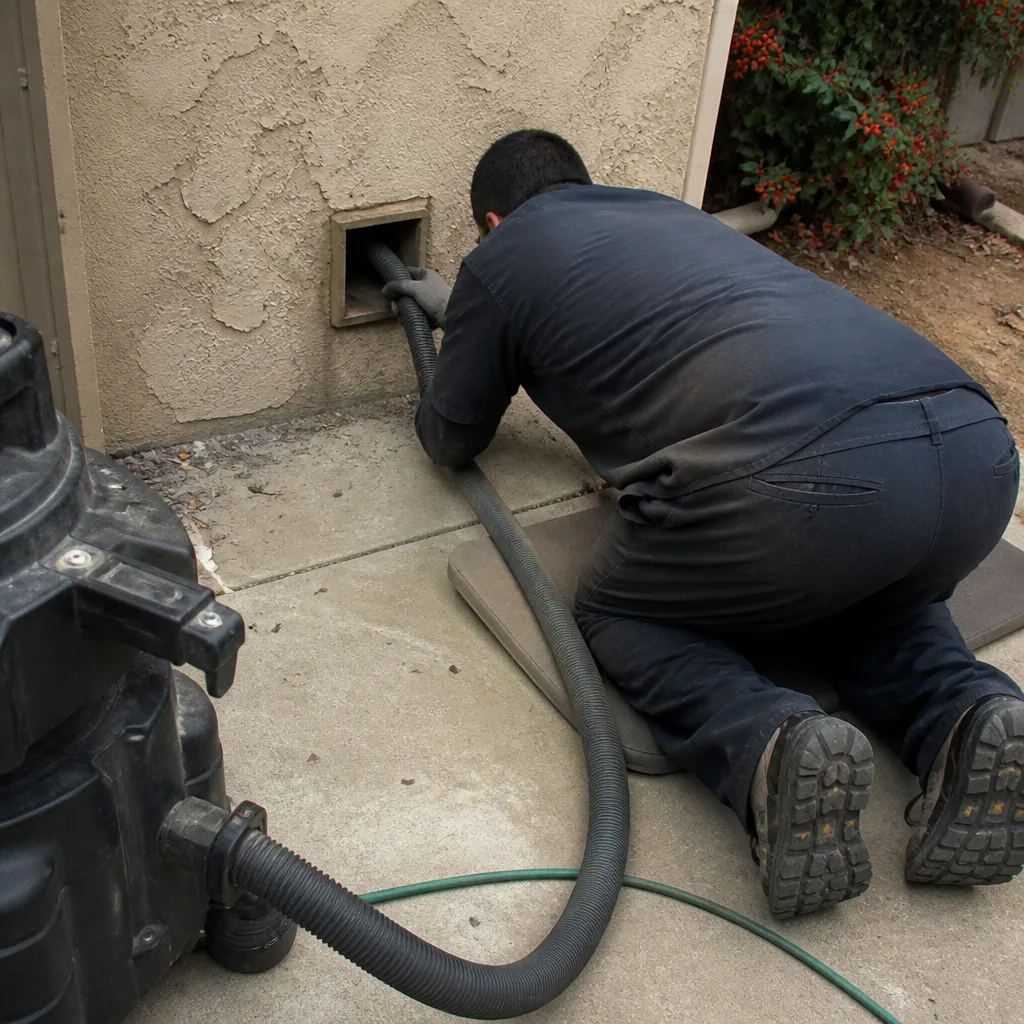 Before
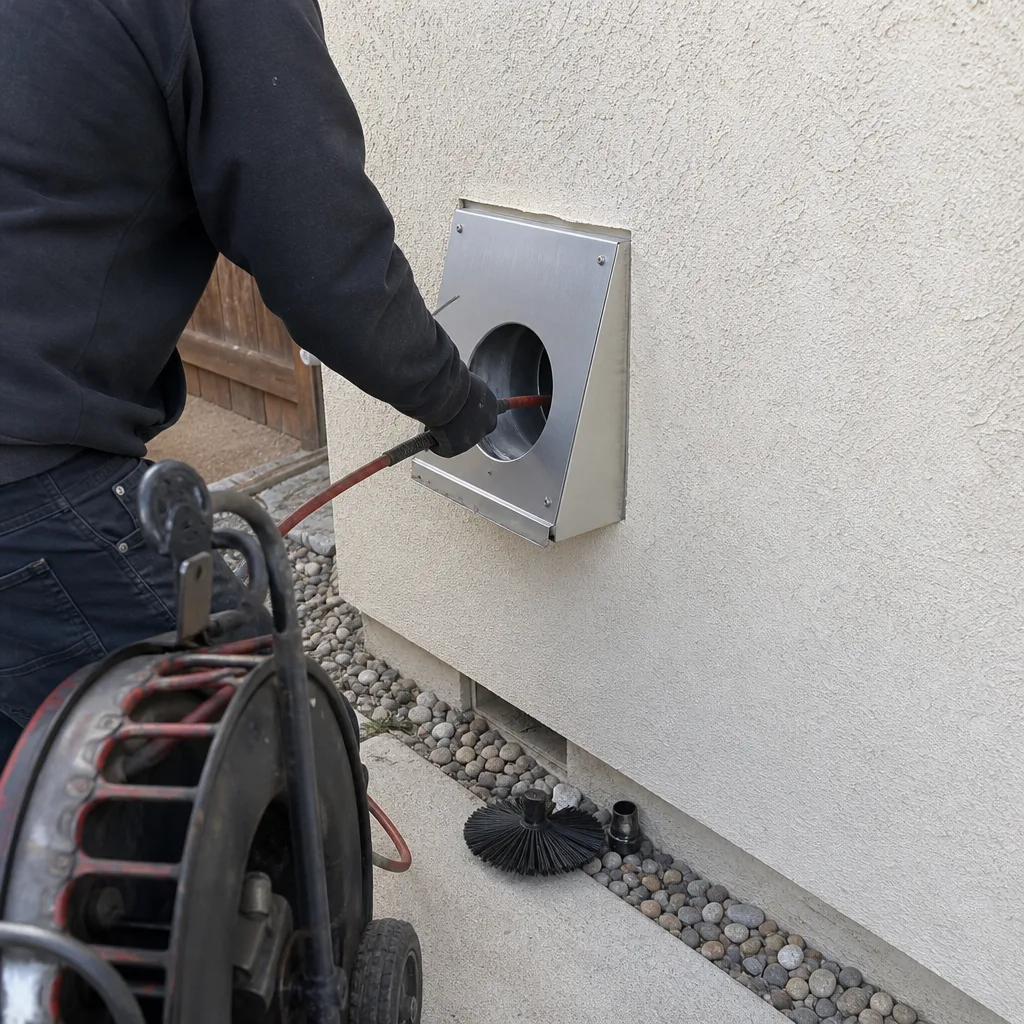 After
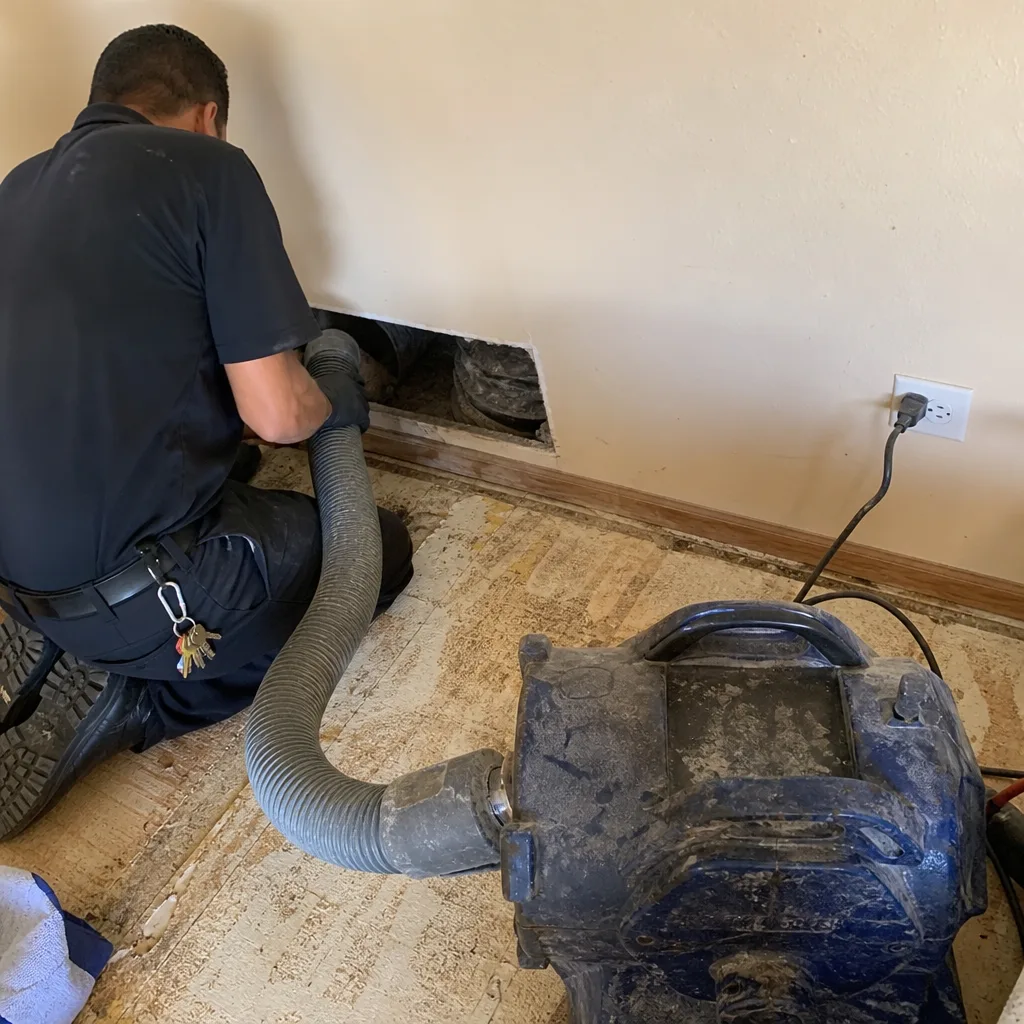 Before
 After
 Before
 After
Why Equipment Matters When Addressing Warning Signs
Once you’ve identified two or more warning signs, the next question is what to do about them. Not every cleaning method gives the same result, and some leave the underlying cause in place while removing only the visible symptom.
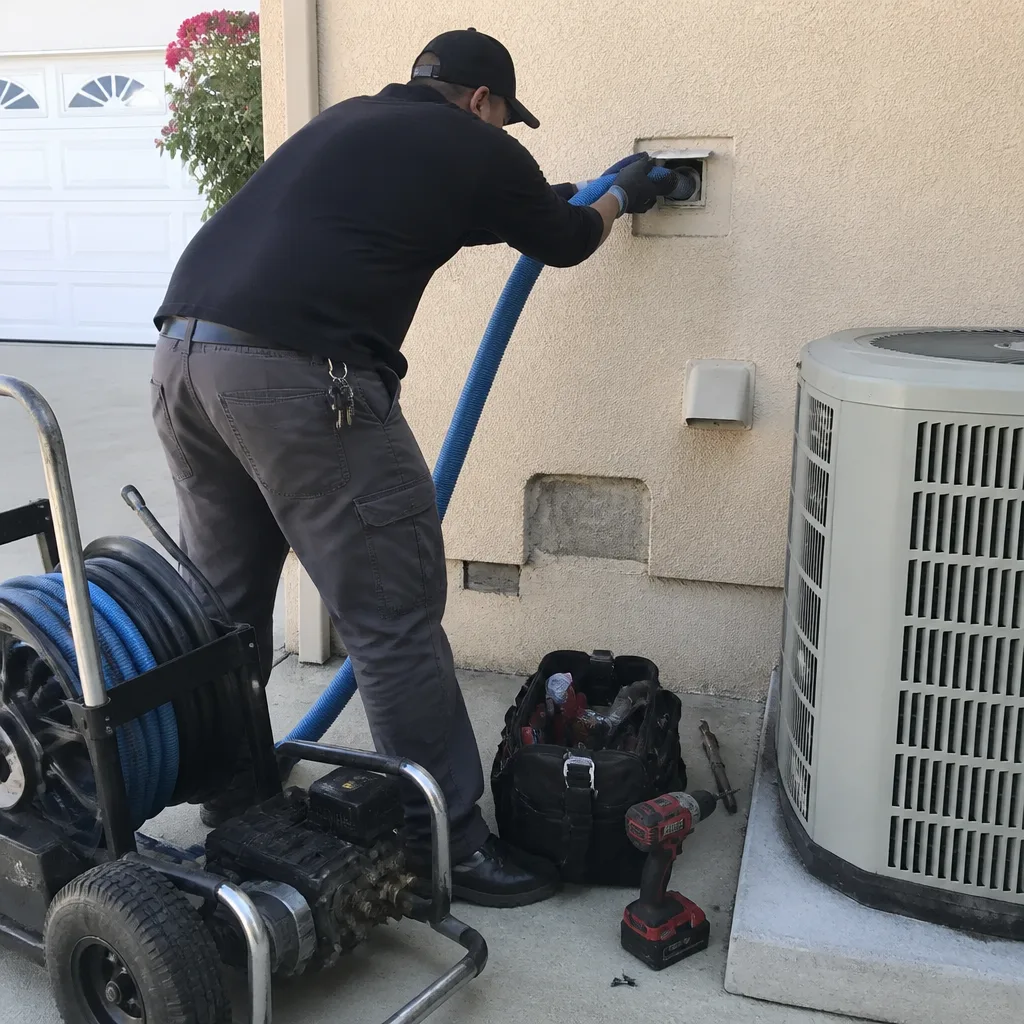
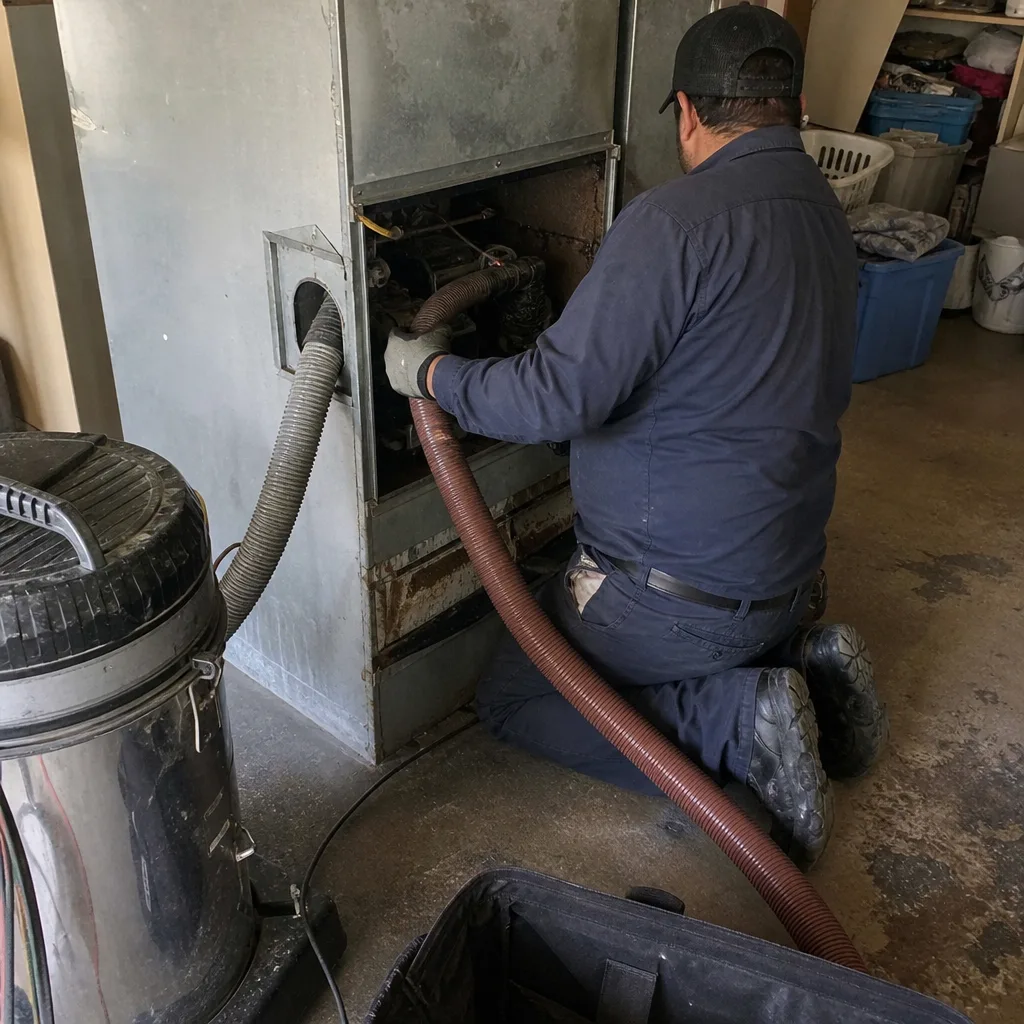
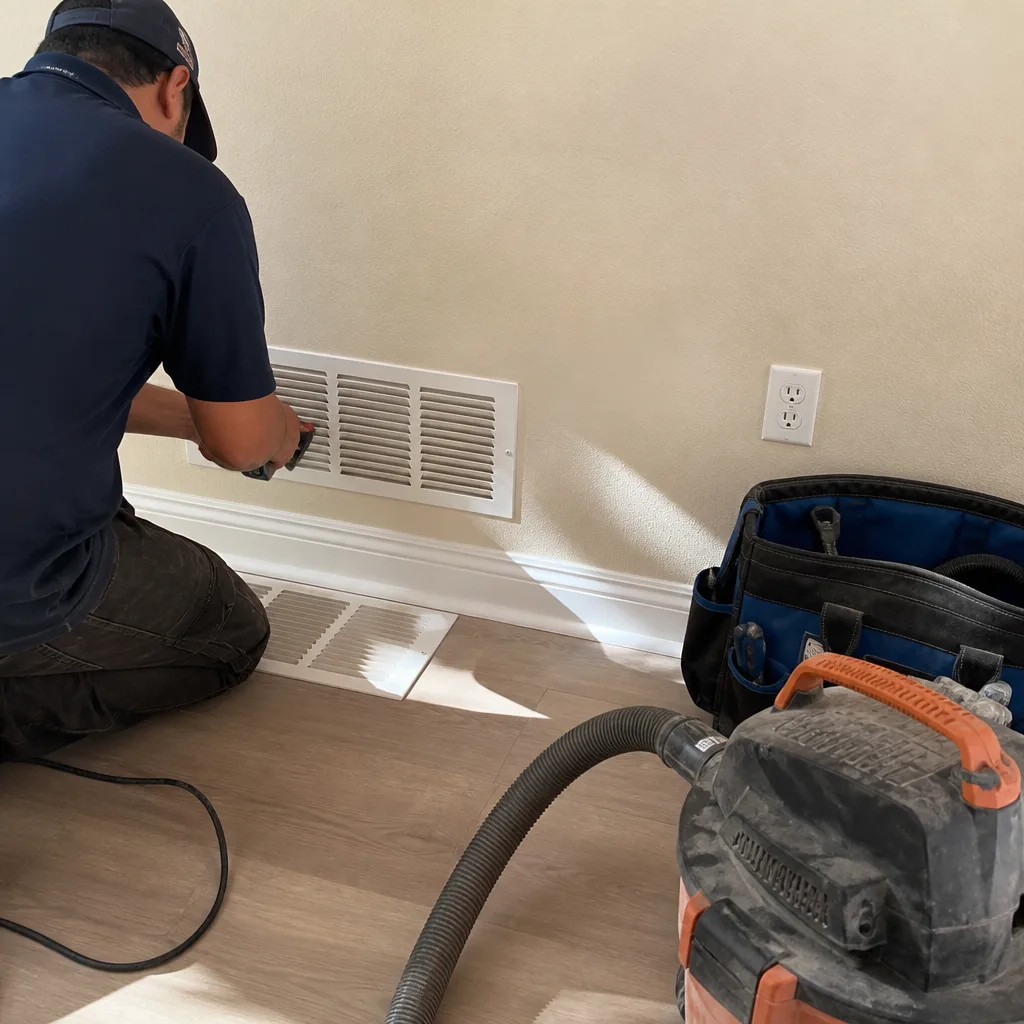
A professional-grade duct cleaning system uses negative pressure and mechanical agitation to dislodge and extract contamination. The Rotobrush system we run sends a rotating brush head through the duct, scrubbing the interior walls while vacuum pressure pulls the loosened material out of the house. Nikro equipment provides the high-powered extraction side, moving enough air volume to capture what the brush dislodges. This isn’t a repurposed shop vac. The pressure differential is what separates a real cleaning from a surface pass. Without enough extraction power, loosened debris stays in the duct, resettles, and reproduces the same warning signs within months.
Cleaning is only part of the response. If the warning signs point to structural problems, a disconnected return duct, a collapsed section of flex, a filter housing that doesn’t seal, cleaning alone won’t fix them. That’s why Air Duct Repair in Acton is part of what we do. We repair what others leave behind: the separated joints, the crushed sections, the filter-frame gaps that keep feeding contamination into the air regardless of how clean the duct surfaces are. A cleaning-only company can make the inside of the duct spotless and still leave the system leaking unfiltered air. The warning signs return because the cause was never addressed.
Air filtration hardware plays a role too. Homes with Honeywell or Aprilaire filtration systems depend on clean, properly sealed ductwork to let those filters do their job. A high-efficiency filter on the return side can’t clean air that bypasses it through a gap in the filter frame or a disconnected return duct. When the duct system is sound and the filter seals properly, that’s when whole-home filtration actually reaches its rated performance. We work with this equipment regularly and understand how the pieces interact. It’s one system, not a collection of unrelated parts.
A 10-Minute Homeowner Inspection Checklist
Run this once a season, or whenever you notice any single warning sign in this guide. Two or more positives means it’s time to schedule an inspection.
- Register check: Remove three register grilles. Look for gray-black ring patterns around the openings. Wipe with a damp white cloth.
- Filter check: Inspect the filter for gaps around the frame, darkness on both sides, or premature loading. Note the last change date.
- Door drift test: Open all interior doors two inches, turn the fan to “ON,” and watch for movement. Compare with the fan off.
- Runtime observation: Note how long the system runs during stable outdoor temperatures. Compare to your memory of last season’s pattern.
- Startup smell test: Stand near a supply register when the system first kicks on. Note any odor and whether it fades within five minutes.
- Dryer evaluation: Time the next two or three dryer loads. Feel the laundry room wall during a cycle. Check the exterior vent cap for adequate airflow.
- Supply vent airflow: Hold a tissue near each supply register with the fan on. Lazy, weak, or uneven airflow across rooms signals duct restriction or disconnection.
None of these checks requires tools. All of them together take less than ten minutes. The information they give you is more specific than anything a phone call could provide, and it tells a duct professional in Lancaster exactly where to start looking.
Common Mistakes to Avoid
- Replacing the filter and calling it done. A new filter can’t fix a gap in the filter frame or a return leak upstream of the filter. If the register ring pattern persists after a filter change, the problem is mechanical.
- Airing out a musty smell with open windows. The smell comes back because the source is still there. Odor that returns within days of airing out is originating in the duct system or the coil area, not the room.
- Assuming short-cycling means low refrigerant. Lancaster HVAC technicians often find the refrigerant levels are fine and the real problem is duct restriction. Have the ducts evaluated before authorizing a compressor replacement.
- Cleaning only the supply ducts. The return side carries the contaminated air to the system. If it’s not cleaned and sealed, recontamination is a matter of months, not years.
- Using a handyman to “inspect” ductwork. Duct systems require pressure testing and airflow measurement to diagnose properly. A visual look through a floor register catches only the most advanced problems.
- Ignoring dryer vent signs because the dryer still “works.” A dryer that takes twice as long still dries clothes. It’s also running at a higher temperature with a more restricted exhaust path. This is the fire-risk profile.
- Comparing duct cleaning quotes by price alone. A low price usually means no mechanical agitation, no negative-pressure extraction, or rushed work. What’s left behind reproduces the same warning signs. Ask what equipment will be used and whether repair is included in the scope before comparing numbers.
When to Call a Professional
Some warning signs are informative. Others are actionable. When you hit two or more of these specific situations, call a duct specialist rather than continuing to observe:
You’ve confirmed the gray-black register ring on multiple registers and a filter change didn’t change it. You hear the HVAC system running longer or cycling more frequently with no change in outdoor temperature. A door in your home drifts on its own only when the system runs. An odor persists after the system’s been off for an hour. Your dryer needs twice the time it needed last year, or the laundry room heats up during cycles. Any single one of these justifies a call. Two together make it urgent.
Air Duct Cleaning in Acton is one part of what we do, and it’s the part that addresses contamination once the warning signs point to internal buildup. Duct Cleaning Lancaster offers free estimates in Lancaster. Call (833) 589-9773 to schedule one. For a full picture of our approach and capabilities, start at the Duct Cleaning Lancaster home page.
Frequently Asked Questions
Our Air Duct Cleaning services in Lancaster typically range from $350 to $750 for a complete system, depending on home size, duct length, contamination level, and whether the return plenum and coil area are included. Homes with multiple systems or significant contamination may run higher. We price by the system, not by the vent, and the quote is the price. No per-vent upcharges. Call (833) 589-9773 for a free estimate based on your specific duct layout.
Ask for before-and-after photos of the ducts. We photograph the interior of the duct system before cleaning and after, so you can see the difference in the surfaces that matter. We also walk through the findings with you, especially if we discover damage that cleaning alone won’t address. If a company can’t show you what changed, you have no way to verify the work.
Cheaper quotes usually mean less equipment and less time. A residential shop vac connected to a floor register cannot create the negative pressure needed to pull loosened debris out of the entire duct run. Rotobrush and Nikro systems exist specifically for this work because the air volume and agitation requirements are far beyond what consumer-grade tools can produce. A cheap quote also often excludes the return side, the air handler, or the coil area, leaving the most contaminated parts untouched. You pay less and get less, and the ducts look clean at the register opening while remaining dirty inside.
In Lancaster’s dry, dusty climate, every 3 to 5 years is a reasonable baseline for homes without special circumstances, as explained in The Complete Air Duct Cleaning Guide for Lancaster Homeowners. Homes with pets, recent renovation work, smokers, or occupants with significant allergies may need cleaning more often. New construction should have a post-construction duct cleaning before move-in, since building dust and debris are almost always left in the system. Your own inspection findings are a better guide than a calendar; if the gray-black ring appears or register airflow drops, schedule service regardless of the last cleaning date.
Yes. The HVAC filter only cleans air that passes through it. Air bypassing the filter through gaps in the frame, leaks in the return duct, or loose register boots never gets filtered and carries whatever is in those spaces directly into the rooms. Even without bypass, dust inside the supply duct downstream of the filter gets pushed into living areas with every cycle. Allergy sufferers in Lancaster are often reacting to material already inside the duct system, not particles being pulled in from outside. Change the filter, yes. But the filter is a gate, and a gate only matters if the fence has no holes.
We serve Lancaster and the surrounding Antelope Valley communities, including Acton, Palmdale, Quartz Hill, and Rosamond. Our service area covers the residential neighborhoods throughout the region. For Air Duct Repair in Acton specifically, we provide the full diagnostic, cleaning, and structural repair scope described in this guide. Call (833) 589-9773 to confirm your property’s address is within our service area.
The Bottom Line
The ducts in your Lancaster home are either serving you or slowly failing you, and they signal which one it is long before visible dust makes it obvious. Pressure imbalances that move doors. Gray-black rings around register grilles. Runtime patterns that change without explanation. Odors that announce their location by how they behave at startup. Dryer vents that run hot and slow. Learn to read these early indicators and you’ll address duct problems before they become expensive repairs and before they become air quality problems that affect the people in the house. The signs are there. Most homeowners just haven’t been told what to look for. Now you know.
Written by the team at Duct Cleaning Lancaster, serving Lancaster since 2014.