
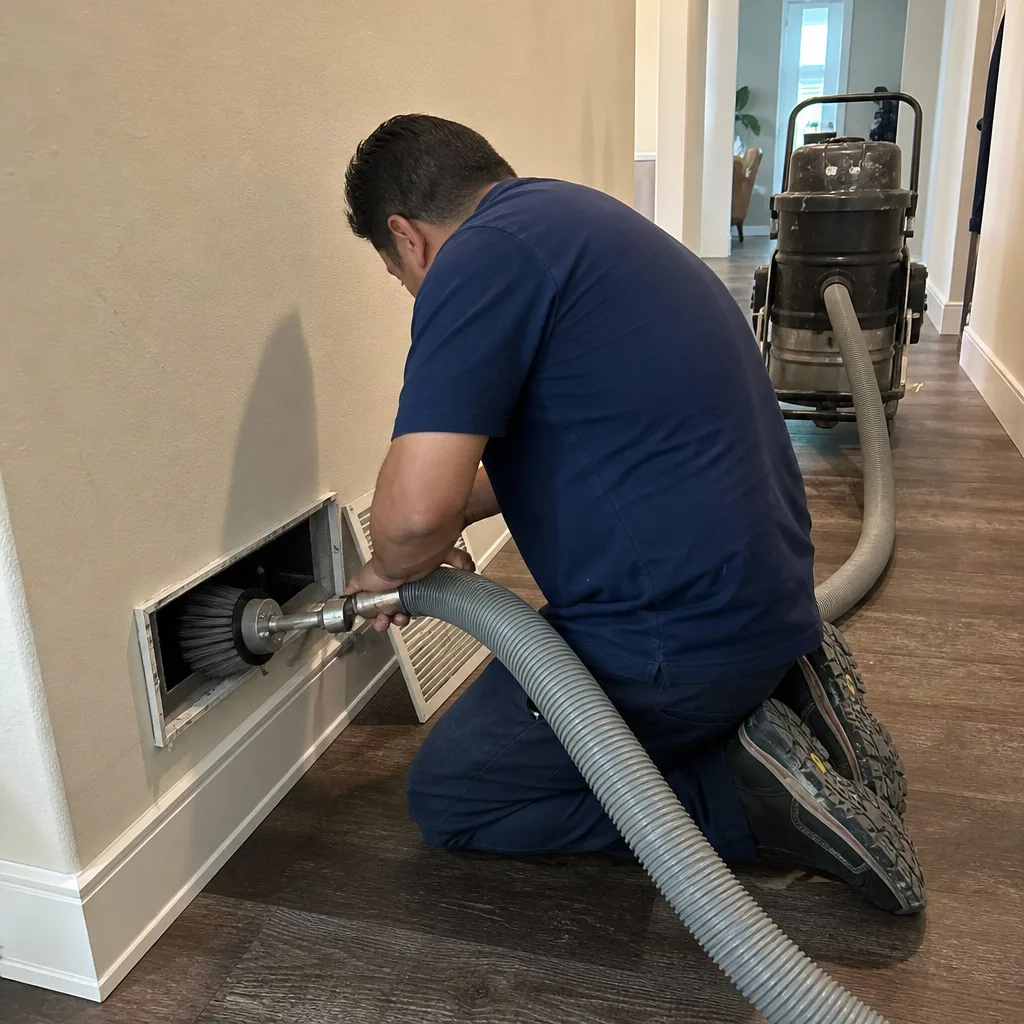
Last updated November 2, 2026
 Whole-home duct cleaning
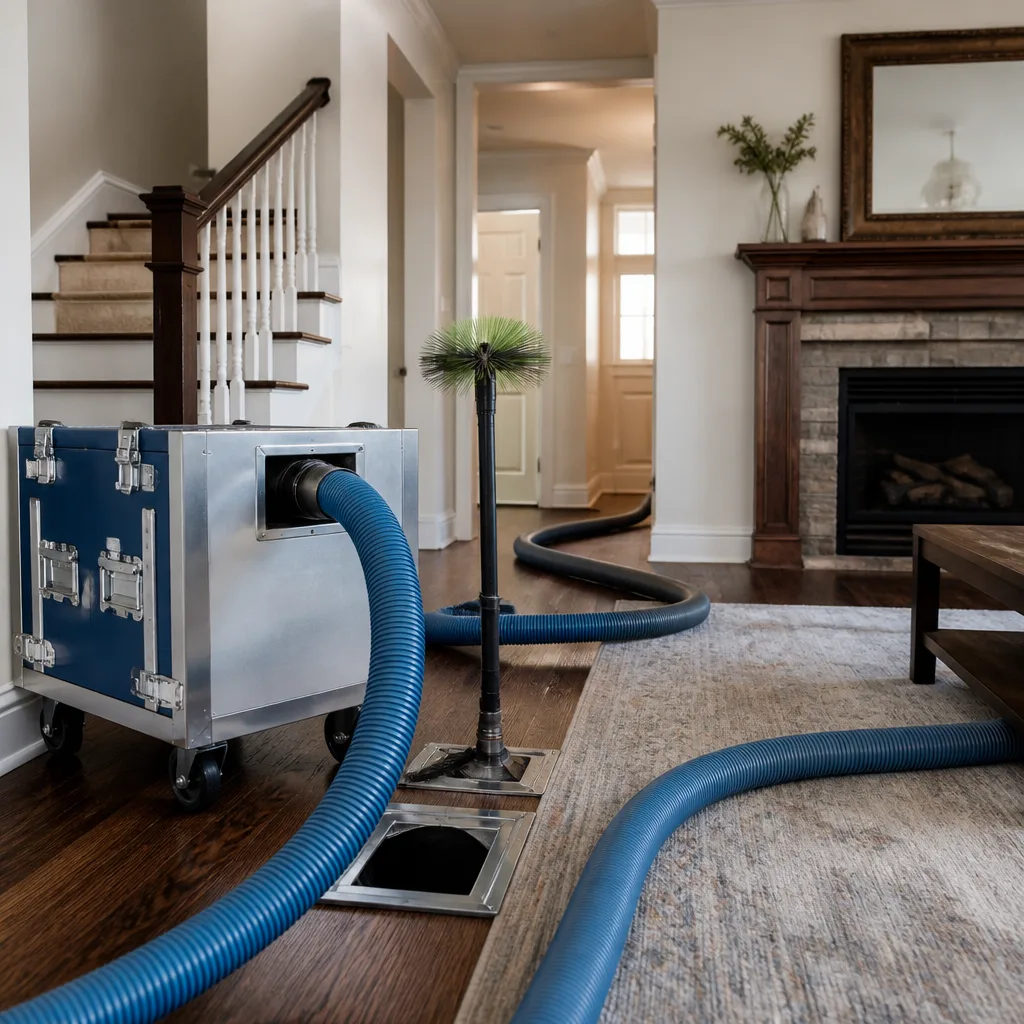
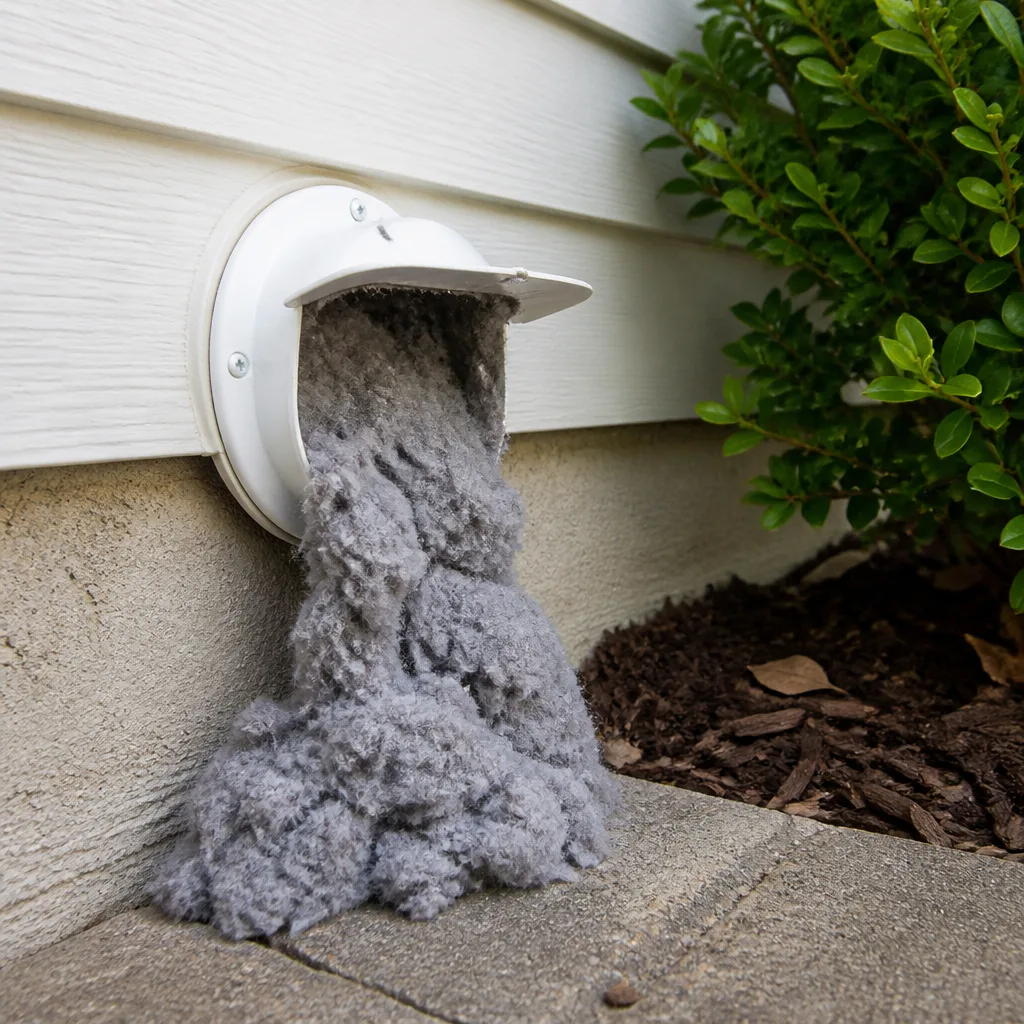 Dryer vent cleaning
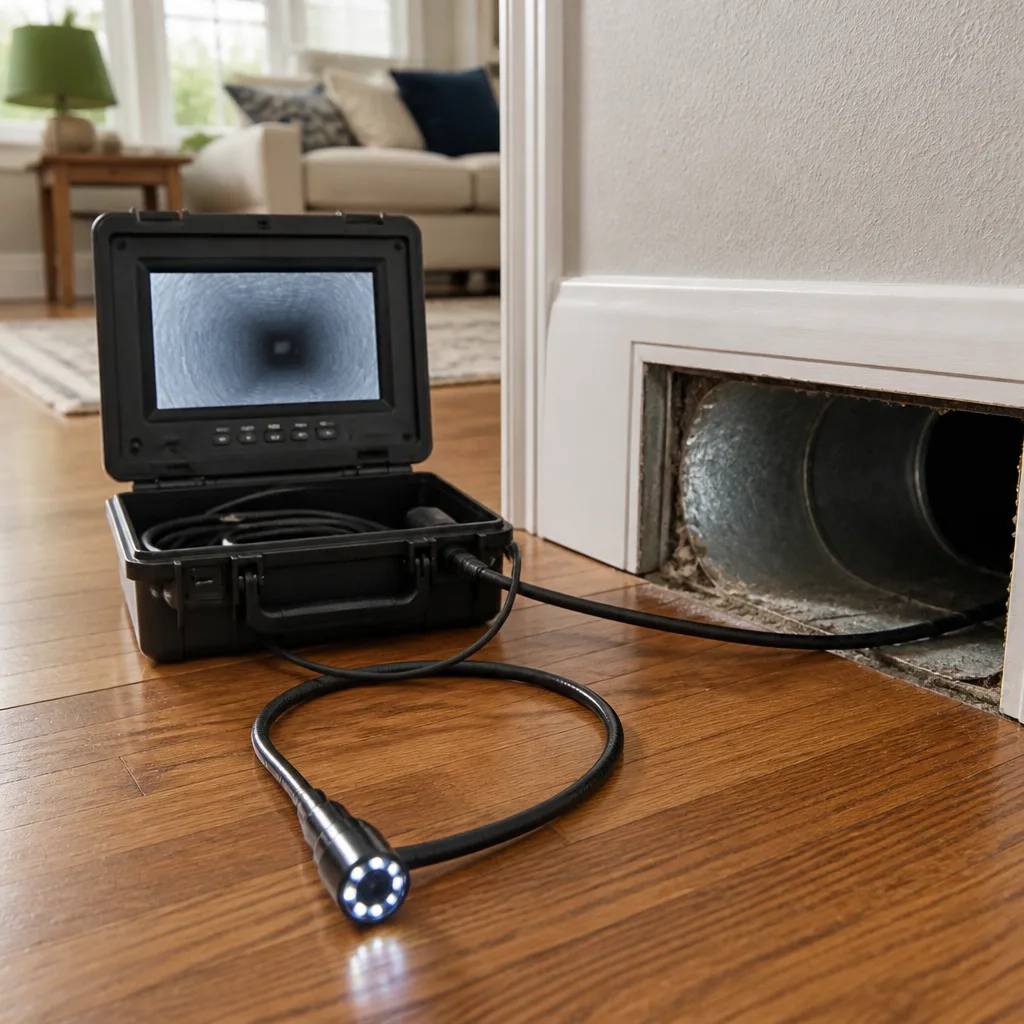 Camera inspection
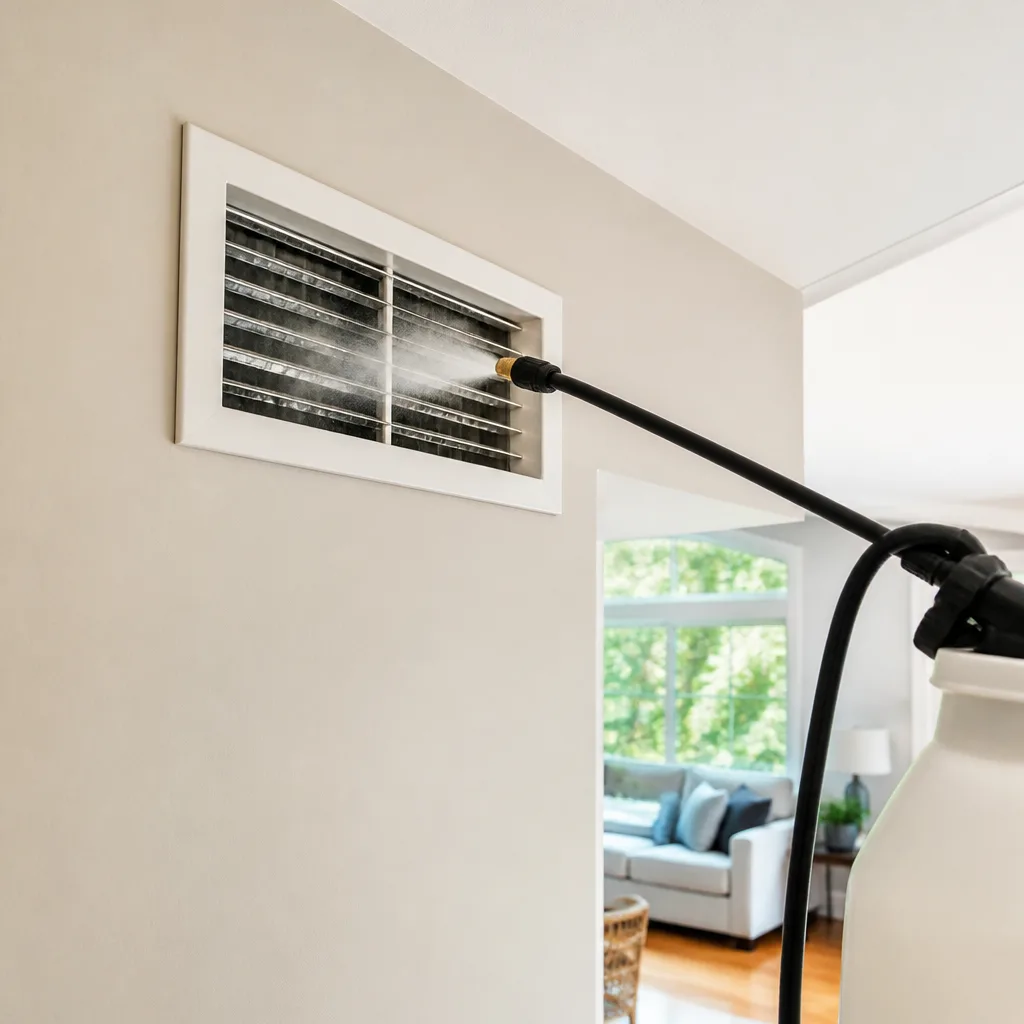 Sanitizing & deodorizing
Whole-system duct and dryer vent check with before-and-after photos - you see exactly what came out of your vents
That "$99 whole-house special" is a bait ad - the real number appears once they are in your hallway, or the "clean" is a shop-vac at the register. We photograph the inside of your ducts before and after instead.
Air Duct Cleaning Cost Breakdown: The Lancaster Homeowner’s Reference for 2026
When three duct cleaning quotes for the same Lancaster home come in at $149, $450, and $890, the difference isn’t markup. It’s three completely different scopes of work that no contractor is volunteering to explain side by side. The $149 quote is a teaser price for vacuuming a handful of visible registers. The $890 quote likely includes negative-pressure cleaning of every supply and return line, air handler service, and documentation. This guide – along with our Air Duct Cleaning Emergency Preparedness Guide for Lancaster Homes – walks you through the actual cost drivers in the Lancaster and Acton market so you can evaluate any 2026 quote as an informed buyer, not a hostage to whichever sales pitch arrives at your door.
Styles & brands we work with
- Whole-home duct cleaning
- Dryer vent cleaning
- Camera inspection
- Sanitizing & deodorizing
Quick Answer
Air duct cleaning in Lancaster, CA typically costs $350 to $650 for a standard single-family home in 2026, with ranch-style homes on the higher end due to long duct runs and slab-access challenges. Dryer vent cleaning runs $120 to $200 as a standalone service. Fuller scopes that include repair work, sanitizer application, or contamination remediation can push totals into the $800 to $1,200 range, and quotes below $250 for whole-home cleaning in this market almost always indicate a deliberate underbid.
Table of Contents
- The Four Real Cost Drivers Behind Duct Cleaning Quotes
- Why Lancaster Home Design Changes the Math
- What Equipment Actually Separates a Real Clean From a Vacuum-and-Go
- Line-Item Breakdown: What’s Included, What’s Extra, What’s a Red Flag
- Lancaster 2026 Price Ranges by Service Type
- How to Evaluate a Quote Like a Duct Specialist Would
- When Cleaning Isn’t Enough: Duct Repair as a Cost Variable
- Common Mistakes to Avoid
- When to Call a Professional
- Frequently Asked Questions
- The Bottom Line
The Four Real Cost Drivers Behind Duct Cleaning Quotes
Duct cleaning pricing in Lancaster is not arbitrary, and once you understand the four variables that actually move a quote, the spread between $149 and $890 stops looking like a mystery and starts looking like arithmetic.
1. Register and Return Count
Every supply register and return grille is an access point. Technicians must remove each cover, seal the opening, run a negative-pressure line, and feed tools through. A 1,600-square-foot home with 10 registers cleans faster than the same footprint with 16. We’ve seen homes in the J-Ward district and along the new developments west of 14 Freeway with wildly different register counts despite nearly identical square footage. Any contractor who quotes you without asking how many registers you have is treating duct cleaning as a fixed widget instead of a real job.
2. Linear Footage of Trunk Lines
The main trunk line running from your air handler through your attic, crawlspace, or slab is the highway of your HVAC system. Longer trunk lines mean more cleaning surface, more tool pushes, more camera verification passes. A 40-foot trunk with two branch runs is a fundamentally different job than an 80-foot trunk with five. If a quote doesn’t mention trunk line length, that’s a signal the company is pricing by door knock, not by duct work.
3. Air Handler Accessibility
Your air handler, furnace, or coil needs to be opened, inspected, and cleaned during a proper duct service. In Lancaster, some air handlers are in first-floor closets with clear access. Others are in tight attic corners requiring drop-lamp work and contortionist labor time. If your unit sits in a finished attic with plywood decking and a walkway, the labor difference is real. The cost shows up in the quote, and any company that doesn’t ask about air handler location isn’t planning to touch it.
4. Contamination Category
Dust accumulation with visible buildup is a standard clean. Mold growth is a different category that requires containment, antimicrobial treatment, and possibly removal of affected duct sections. Rodent activity means dropping removal, sanitizing, and repair of chewed flex runs. In the Antelope Valley’s dry climate, mold is less common than in coastal markets, but dust and debris from high winds is a recurring issue that accumulates faster than many Lancaster homeowners expect. Categorizing the contamination correctly is the single biggest difference between a price that feels high and a price that is actually honest about the work.
Why Lancaster Home Design Changes the Math
Lancaster’s housing stock skews heavily toward single-story ranch homes with slab foundations. That’s a cost factor most duct cleaning guides never mention because they’re written generically, and it matters here more than almost anywhere else in Southern California.
Slab-Foundation Duct Runs
When ducts run through a concrete slab, the cleaning challenges multiply. Those lines are inaccessible except from the register openings themselves. They’re prone to moisture intrusion, construction debris left from the original build, and crumbling duct board in older homes from the 1970s and 80s. Cleaning a slab-run duct system often requires longer dwell time per register, more aggressive agitation, and more camera verification because if a blockage remains, there’s no attic access to fix it without breaking concrete. This is exactly why Lancaster quotes skew higher than neighboring markets with raised foundations or crawlspaces.
The Ranch-Home Long-Run Problem
Ranch homes spread horizontally, which means the trunk lines run long and the branch runs extend far from the central air handler. A two-story home stacks duct runs vertically with shorter horizontal spans. In a 2,200-square-foot Lancaster ranch, the air handler might sit at one end of the house with supply lines running 60 feet to the far bedrooms. That’s 60 feet of line to clean, inspect, and verify. A two-story home with the same square footage splits that horizontal distance between floors. The labor difference is measurable, and it’s a legitimate driver of local pricing.
High Wind Dust Loading
Lancaster sits in the Antelope Valley, where wind events push dust and particulate matter into every gap in a building envelope. Homes near open desert edges, downslope from the fairgrounds, or in the newer developments along Avenue L experience higher dust loading than sheltered neighborhoods. That dust settles in your supply lines faster than a coastal home 80 miles away. It means duct cleaning in Lancaster isn’t a “once every decade” luxury. It’s a maintenance item that directly affects how often you replace HVAC filters, how much dust lands on furniture within 48 hours of cleaning, and how hard your blower motor works.
For homeowners considering a full system service, Air Duct Cleaning in Acton covers the homes along the 14 corridor where duct runs tend to be even longer due to hillside construction and steep grade access.
What Equipment Actually Separates a Real Clean From a Vacuum-and-Go
Equipment is the least understood cost factor in duct cleaning pricing, and it’s the one most frequently misrepresented by low-bid operators. The machinery matters because it determines whether the debris leaves your home entirely or just gets moved around inside your duct system.
Truck-Mounted Negative-Pressure Systems vs. Portable Units
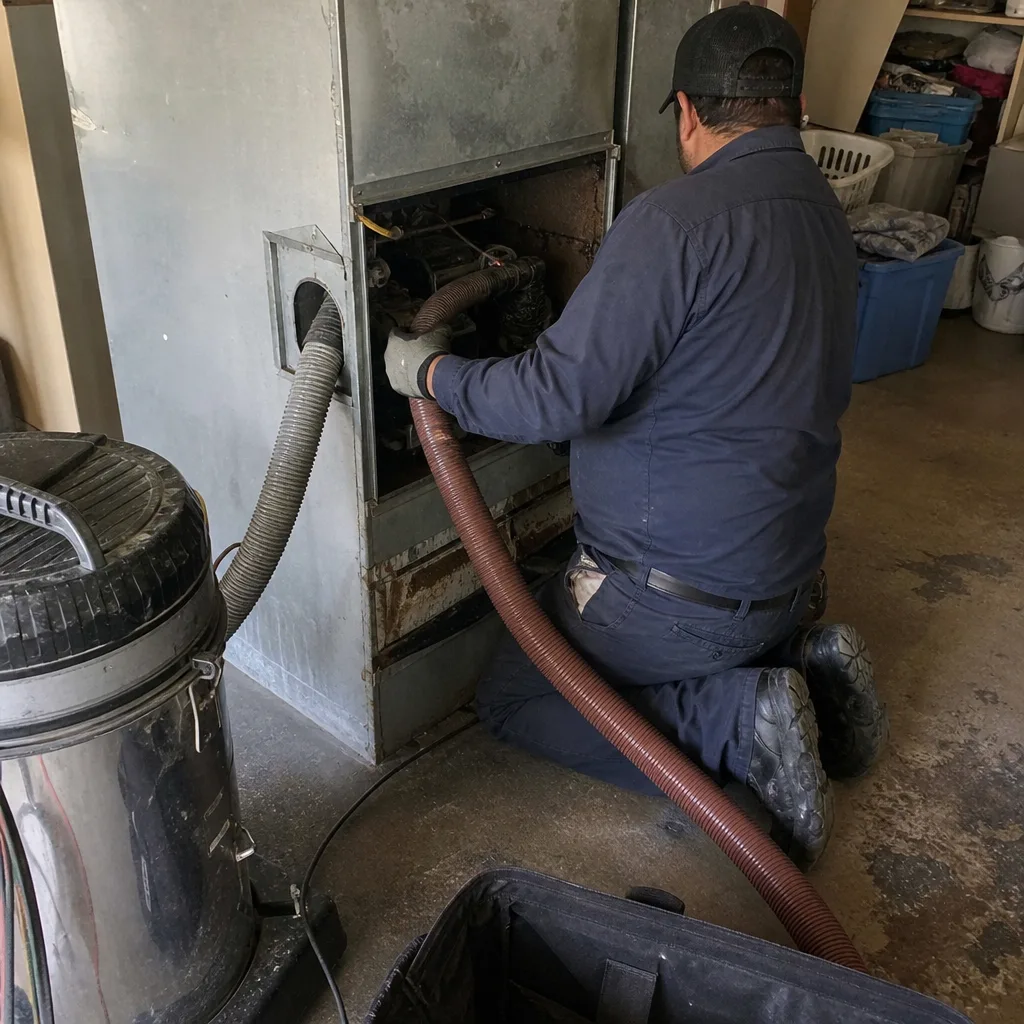
A truck-mounted negative-pressure system connects to your duct work through large-diameter hoses and pulls the entire system under vacuum while agitation tools knock debris loose from the duct walls. The debris travels through the hose into a containment unit on the truck. This is the industry-standard approach for whole-home cleaning because it removes material, it doesn’t relocate it.
Portable units, in contrast, rely on smaller vacuums with HEPA filters placed inside your home or wheeled from room to room. They can be effective for smaller jobs or focused register cleaning, but they have lower airflow and smaller debris capacity. The operating cost difference between the two methods is real. Truck-mounted equipment costs more to run, maintain, and operate. That cost appears in higher quotes, and it is legitimate. Companies that use Rotobrush or Nikro equipment are building their service around this proper approach, with purpose-built tools designed for duct interiors rather than repurposed vacuums.
Camera Verification
Any duct cleaning that doesn’t include before-and-after camera inspection should not be called duct cleaning. The only way to verify that the far end of a 40-foot trunk line is actually clean is to see it. Professional equipment in this category includes inspection cameras that run through the duct system and document the interior condition at the air handler, mid-trunk, and far registers. This documentation is what separates an engineered clean from a surface wipe-down. If a quote doesn’t list camera work, ask why. If a contractor can’t show you the interior of your ducts before they start, they can’t prove they cleaned them after.
Companies that work with Abatement Technologies equipment signal an additional standard. Those tools are the same category used in professional contamination control and remediation settings, applied here to residential duct systems. That’s a meaningful difference in containment standards and debris handling.
Line-Item Breakdown: What’s Included, What’s Extra, What’s a Red Flag
The most useful thing any Lancaster homeowner can do before signing a duct cleaning contract is understand the difference between a legitimate line item and a fabricated upsell. Here’s how a full-scope cleaning should be structured in 2026.
What a Full-Scope Cleaning Should Include
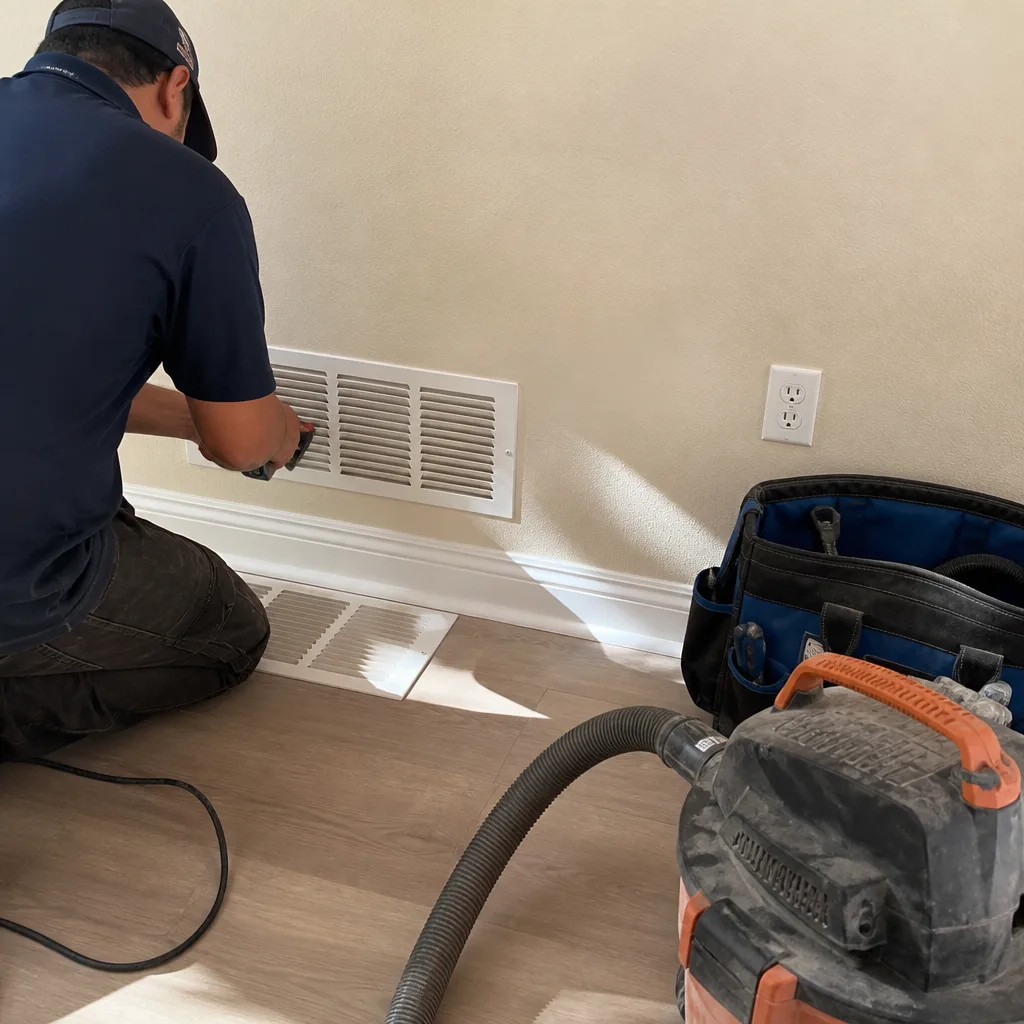
- Supply line cleaning: every supply register opened, sealed to negative pressure, and agitated with rotating brushes or compressed air tools. This is the core of the job.
- Return line cleaning: return duct runs are frequently dirtier than supply lines because they carry unfiltered air back to the handler. Skipping returns is a partial clean.
- Air handler and coil inspection: the blower compartment and evaporator coil are part of the air path. A proper clean includes inspection and cleaning of these components.
- Trunk line cleaning with camera verification: the main trunk line must be cleaned end to end and documented with before-and-after camera footage.
- Registers and grilles: every cover should be removed, cleaned, and reinstalled. Grilles that stay on the wall mean the contractor skipped surface work.
- Basic before-and-after documentation: camera stills or video of duct interiors at representative access points. This is a standard professional courtesy, not an upsell.
What Legitimately Costs Extra
- Sanitizer or antimicrobial application: this is a chemical treatment applied after mechanical cleaning. It is a legitimate additional service, but it should be priced as a separate line item and should never be pushed as a substitute for actual cleaning.
- Duct sealing or repair: damaged flex runs, disconnected joints, crushed sections, or sealing gaps. This is repair work, not cleaning work, and it is priced separately. Companies that offer both services, like full-scope duct specialists, can perform this in the same visit rather than sending you to a second contractor.
- Contamination remediation: if mold or rodent activity is discovered, the remediation scope is beyond standard cleaning and requires containment protocols and specialized treatment. This costs significantly more and should be discussed transparently before work begins.
What Should Never Be an Upsell
- Before-and-after photos as a premium add-on: any company charging extra for basic documentation is signaling they don’t do it by default, which means they can skip verification on jobs where customers don’t pay for it.
- “Per-vent” pricing: whole-home duct cleaning should be priced as a system-wide service. Per-vent pricing is a shell game that lets the final invoice climb far beyond the quoted number.
- “Deep clean” supplements: a proper duct cleaning is deep by definition. Charging for a “standard clean” that covers only visible register openings is a bait-and-switch waiting to happen.
For a complete view of repair-focused work, see Air Duct Repair in Acton.
Lancaster 2026 Price Ranges by Service Type
These ranges reflect what we’re seeing across Lancaster and Acton in 2026 for proper full-scope work. They assume a standard single-family home with 10 to 16 registers and accessible trunk lines. Homes on the extreme ends of the size or accessibility spectrum will see totals outside these bands.
| Service Type | Typical Range | What It Includes | Red Flag Threshold |
|---|---|---|---|
| Standard whole-home duct cleaning | $350 – $650 | All supply and return lines, trunk line, air handler inspection, camera documentation | Under $250 likely means register vacuuming only |
| Dryer vent cleaning | $120 – $200 | Vent line from dryer to exterior termination, lint removal, airflow verification | Under $80 likely means no roof/wall termination access |
| Duct cleaning plus dryer vent | $450 – $800 | Complete duct system plus dryer vent service in one visit | Bundled “free dryer vent” offers usually hide the true duct price |
| Duct cleaning plus repair work | $600 – $1,200 | Full clean plus repair of damaged flex runs, disconnected joints, or sealing gaps | Repair pricing should always follow an inspection, never precede it |
| Contamination remediation | $800 – $1,500+ | Containment, antimicrobial treatment, possible duct section replacement | Any remediation quote without containment protocols is unsafe |
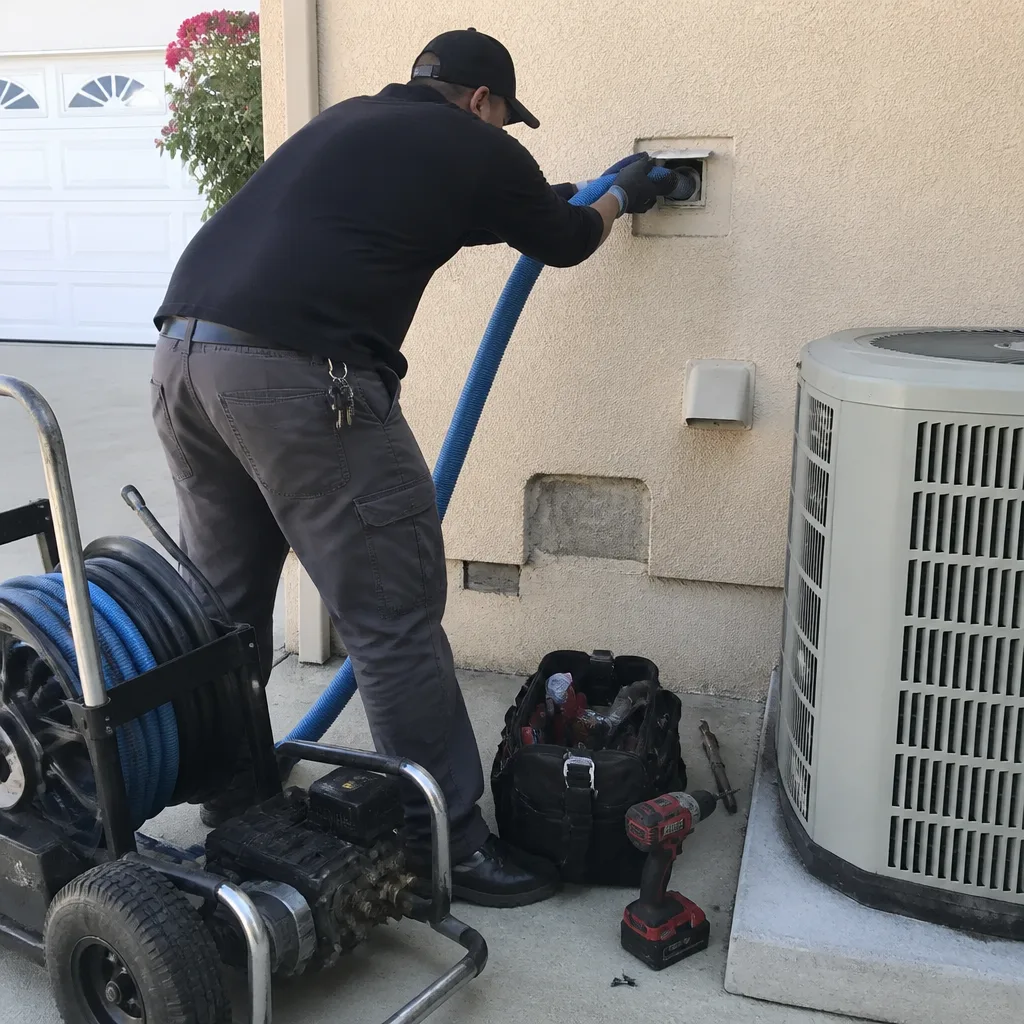
Dryer vent service deserves special attention in Lancaster. Lint accumulation in the flex transition and rigid vent pipe is a fire hazard, and the high-wind season deposits extra particulate into exterior vent hoods. Dryer Vent Cleaning in Acton covers homes along the 14 corridor where vent runs through crawlspaces and attics can stretch far longer than the manufacturer’s recommended maximum.
How to Evaluate a Quote Like a Duct Specialist Would
When a quote lands in front of you, the most valuable thing you can do is read it like a specialist would read it. That means checking the scope line by line, not just looking at the bottom number.
- Verify all registers are accounted for. Count your supply registers and return grilles. The quote should reference a system scope, not a vague “whole home” promise. If it doesn’t list the number of access points, ask for a written scope.
- Confirm the trunk line is included. This is the most expensive line item in a proper clean because it requires the most equipment time. If the quote doesn’t mention trunk line cleaning, it’s likely a register-level service being sold at whole-home prices.
- Check for camera verification language. If the words “before” and “after” appear nowhere near “camera” or “video” or “documentation,” the quote is incomplete. A company that won’t show you the interior of your own ducts is a company that doesn’t want you to see what they’re doing.
- Identify the equipment in the quote. Look for mentions of negative-pressure systems, HEPA filtration, or specific tooling. If the quote just says “cleaning equipment,” that’s a placeholder for whatever happens to be in the van.
- Ask about repair findings. Duct cleaning often reveals problems: disconnected joints, crushed flex, leaking seams. Ask upfront how the company handles repair work if it’s discovered during cleaning. If they say they don’t do repairs, you’ll be hiring a second contractor anyway.
When Cleaning Isn’t Enough: Duct Repair as a Cost Variable
One of the quietest line items in duct cleaning is the repair work that cleaning reveals. A duct system can accumulate dust and debris, but it can also deteriorate. Flex ducts sag and crush over time. Joints separate. Fittings crack. The result is a system that leaks conditioned air into attics and crawlspaces, pulling dust back into the living space no matter how often it’s cleaned.
Why Repair Matters to Cleaning Cost
If your ducts are compromised, cleaning them is a temporary improvement at best. The systemic problem remains, and within a year the same contamination profile returns because outside air keeps entering through gaps and drawing in particulate. A full-scope duct specialist who offers both cleaning and repair can address the structural issue in the same visit, which is more cost-effective than cleaning now and repairing six months later with a different contractor’s trip charge.
Common Repair Scenarios in Lancaster Homes
- Slab-duct deterioration: older homes with ducts in the slab can develop cracking, especially in the Antelope Valley’s shifting soil conditions. Repair may involve lining or replacement depending on severity.
- Attic flex-run damage: attic ducts get stepped on, crushed by boxes, or chewed by rodents. Replacing a flex run is straightforward, but it adds material and labor cost to a project.
- Disconnected fittings: fittings separate over time due to vibration and thermal cycling. Reconnection and sealing is a fast repair, but if it’s not done, the system leaks air and energy.
This repair capability is where full-service duct providers separate from cleaning-only companies. We repair what others leave behind, because a clean duct with a gaping hole in it isn’t actually clean for long. For Lancaster homeowners dealing with this exact scenario, Duct Cleaning Lancaster home has the details on combined service scopes.
Common Mistakes to Avoid
- Falling for the $99 whole-home special. A price that low cannot cover proper equipment time. What it covers is a vacuum head at the register openings, which is not duct cleaning at all but a superficial surface wipe that won’t touch the trunk line.
- Skipping camera verification. If you don’t see the interior of your ducts before and after, you’re buying a promise, not a result. Demand documentation. It’s the single cheapest quality control measure in the industry.
- Choosing a cleaning-only company when your ducts have known problems. If you already suspect disconnected joints or damaged flex runs, hiring a cleaner who can’t repair means paying twice. Choose a provider who can handle both.
- Ignoring dryer vents during a whole-home clean. Dryer vents are the most dangerous duct run in your house. Lint is fuel, and neglecting the dryer vent while cleaning the HVAC system leaves a fire hazard in place. Bundle the services.
- Assuming the cheapest quote is the same scope as the most expensive. In Lancaster’s duct cleaning market, the spread between $250 and $650 is not profit margin. It’s the difference between cleaning registers and cleaning ducts. Always compare line items, not just totals.
- Letting a contractor price without seeing the system. Any quote given over the phone without an inspection is a ballpark, not a bid. If a contractor won’t look at your duct system before quoting, they’re pricing a guess.
When to Call a Professional
Duct cleaning is not a weekend ladder project. The work requires negative-pressure equipment, proper containment, and access to the full length of trunk lines and branch runs. If you’ve noticed visible dust buildup on registers, dust accumulation returning within days of cleaning, unexplained allergy symptoms that ease when you leave home, or your dryer taking two cycles to dry a load, those are signals that your duct system or dryer vent needs professional attention. If it’s been more than three to five years since your last service, or if you’ve completed a remodel that generated drywall dust and construction debris, schedule an inspection. Duct Cleaning Lancaster offers our Air Duct Cleaning services with free estimates in Lancaster and the surrounding area, including Acton. Call (833) 589-9773 to book.
Frequently Asked Questions
Air duct cleaning in Lancaster typically costs $350 to $650 for a full single-family home system, with larger or slab-foundation homes pushing toward the upper end of that range or slightly beyond. Dryer vent cleaning runs $120 to $200, and combined service packages with repair work run $600 to $1,200. Quotes below $250 should be treated with skepticism. Call (833) 589-9773 for a precise quote on your home.
The price spread comes down to equipment, scope, and documentation. Cheap quotes typically mean portable vacuums instead of truck-mounted negative-pressure systems, register cleaning only instead of full trunk line service, and no camera verification. A $149 quote is not a discount on a $450 service. It’s a completely different and smaller job with a price designed to get a technician in the door.
Require before-and-after camera documentation of your duct interiors at the air handler, mid-trunk, and representative registers. A professional duct cleaning company using proper equipment can show you the interior of your ducts on a screen, proving the debris is gone. Any company that refuses to provide this documentation is asking you to trust them without evidence.
For most Lancaster homes, every three to five years is a reasonable cycle, given the Antelope Valley’s high-wind dust loading (see our Air Duct Cleaning Maintenance Checklist for Lancaster Homeowners). Homes with pets, residents with respiratory conditions, or recent remodeling work may need more frequent service. If your HVAC filter is dirty within a month of installation, your ducts are pushing particulates through the system faster than expected.
Duct cleaning is worth it when it’s done to a professional standard with proper equipment and verification. The benefits include reduced particulate buildup on surfaces, lower strain on HVAC components, and cleaner operation of filtration systems like Honeywell and Aprilaire units. If your ducts are already clean, pay nothing. If they’re not, the difference in visible dust accumulation after a proper clean is measurable within the first two weeks.
Duct cleaning removes accumulated debris from the interior of the system. Duct repair fixes structural problems: disconnected joints, crushed flex runs, cracked slab ducts, leaking seams. Both services matter because a clean duct with structural leaks will suck outside air and dust back into the system within months. A full-scope provider can handle both in the same visit.
The Bottom Line
Duct cleaning pricing in Lancaster is opaque only if you don’t know what to look for. The real cost drivers are register count, trunk line length, air handler accessibility, and contamination category, and every one of those should appear in a proper quote. Equipment matters: Rotobrush and Nikro tools with negative-pressure containment produce a materially different result than a vacuum head at the register. Repairs matter too, because a leaky duct system defeats the purpose of cleaning. Use the ranges in this guide as your baseline, demand camera verification, and choose a provider that offers the full scope: cleaning, repair, and dryer vent service under one provider. For more guides & resources, explore our blog. For a free estimate in Lancaster or Acton, call (833) 589-9773.
Written by the team at Duct Cleaning Lancaster, serving Lancaster since 2014.
See the difference
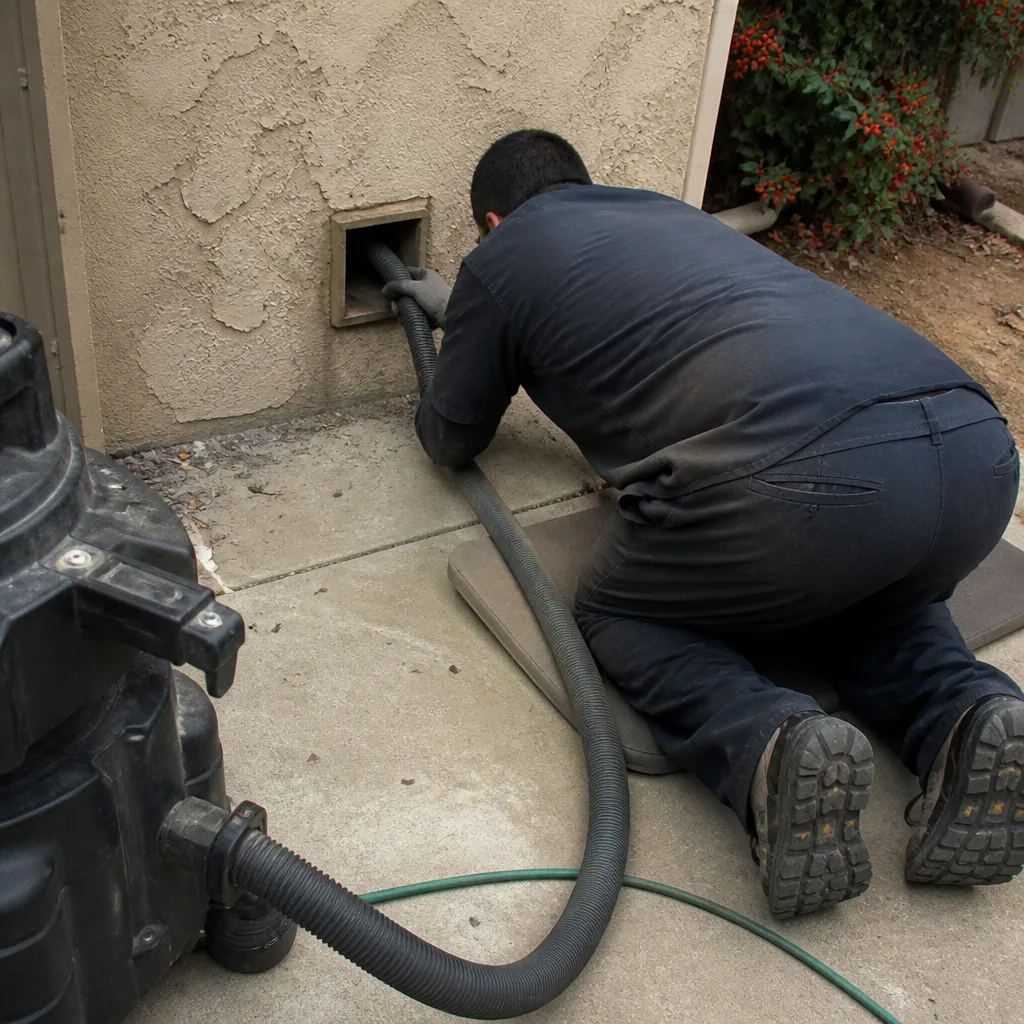 Before
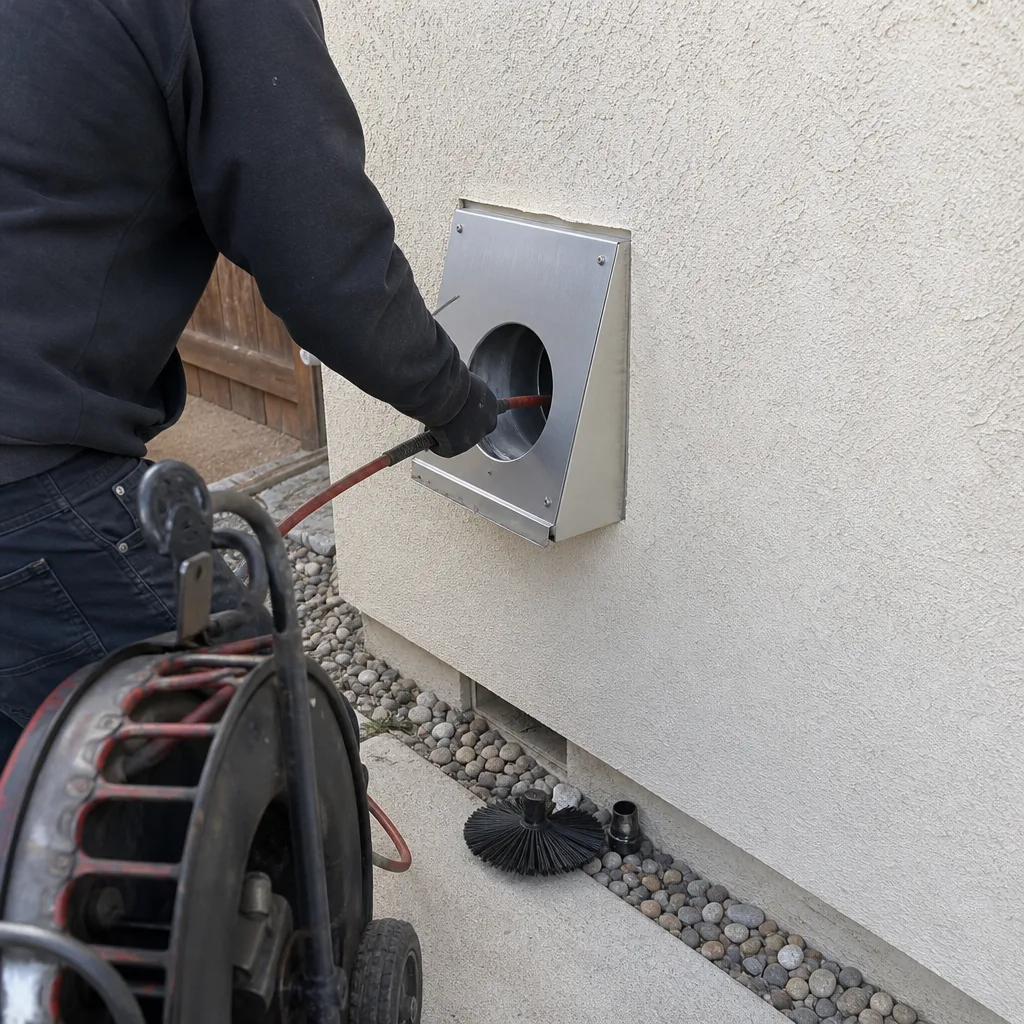 After
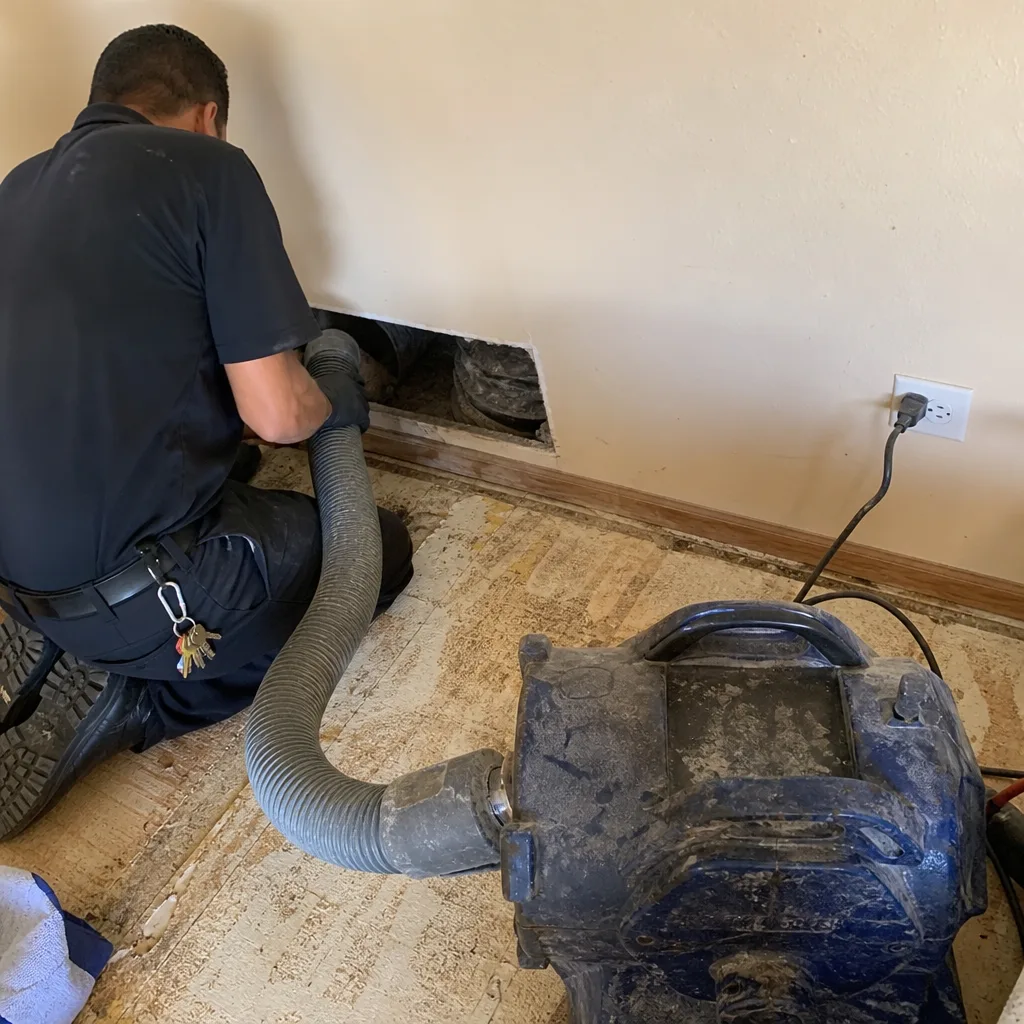 Before
 After
 Before
 After