
Last updated November 2, 2026
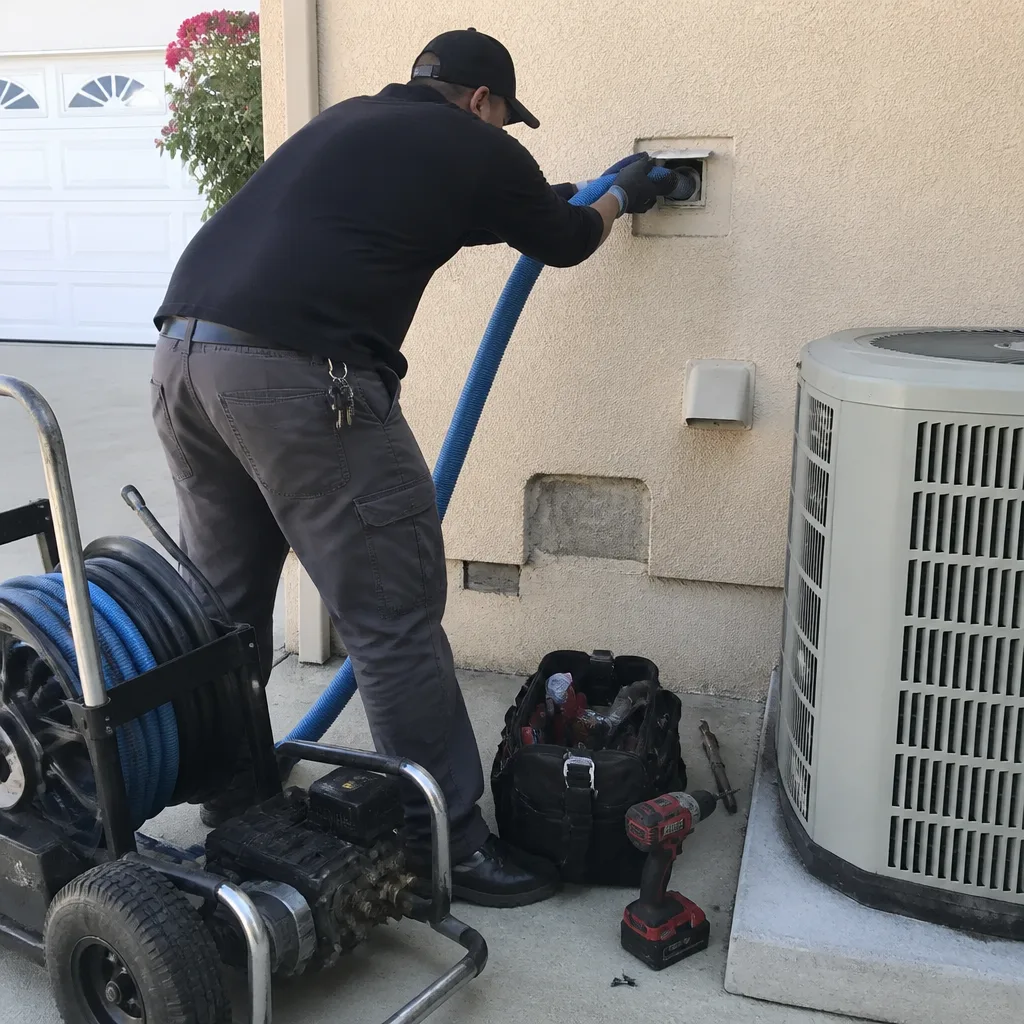
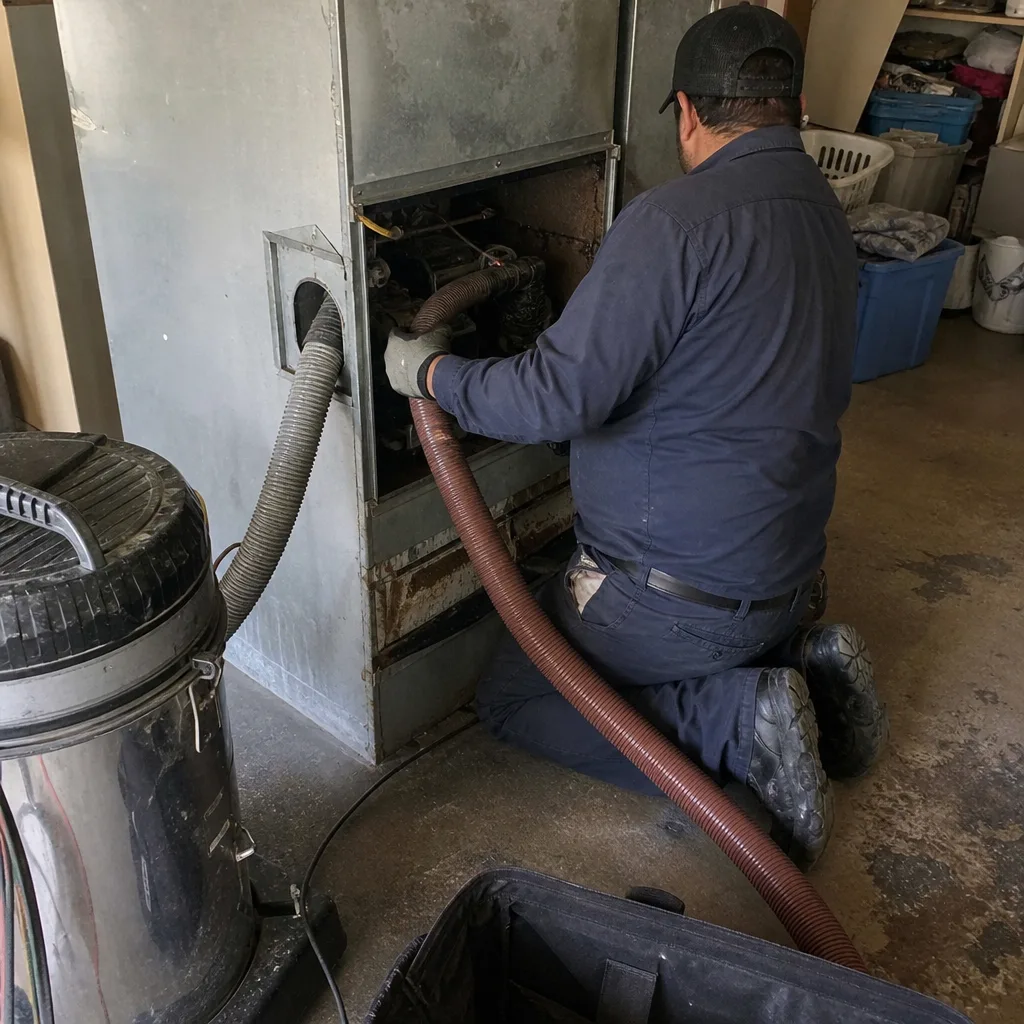
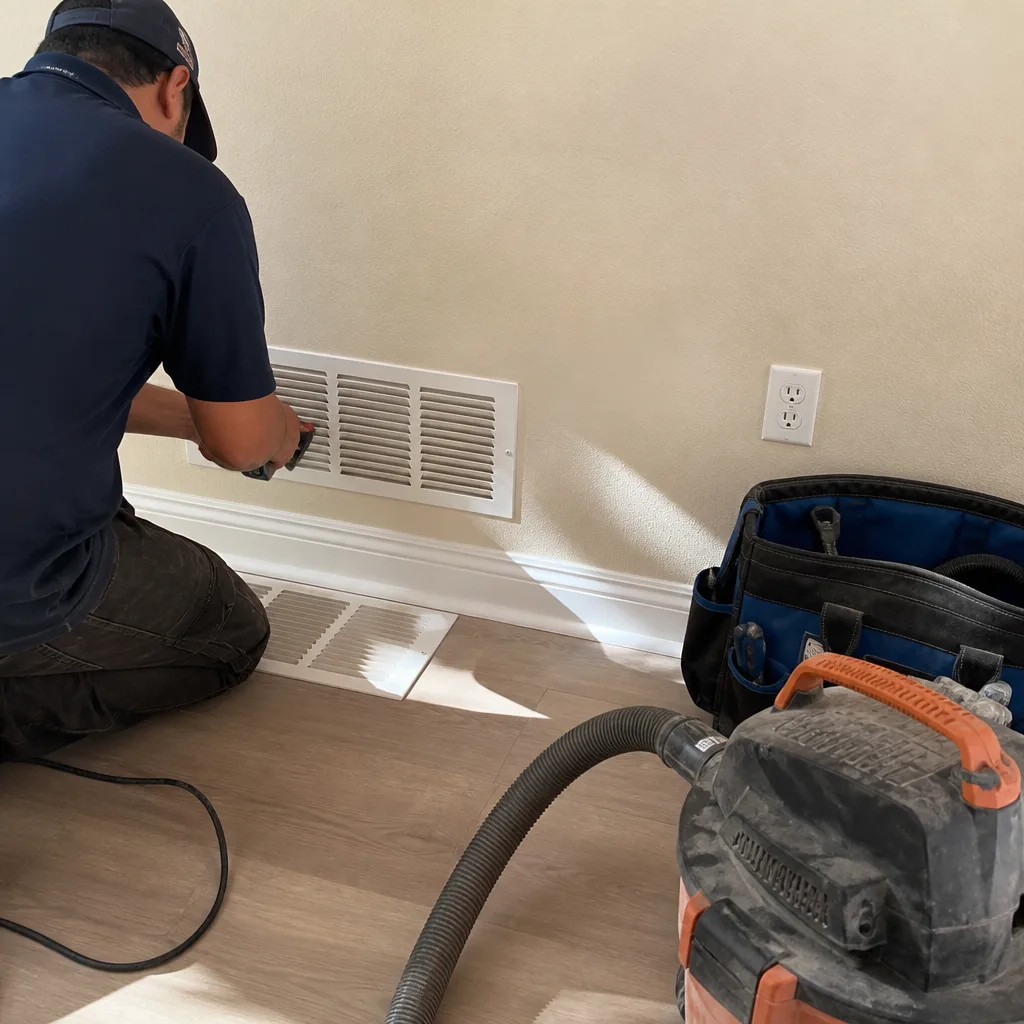
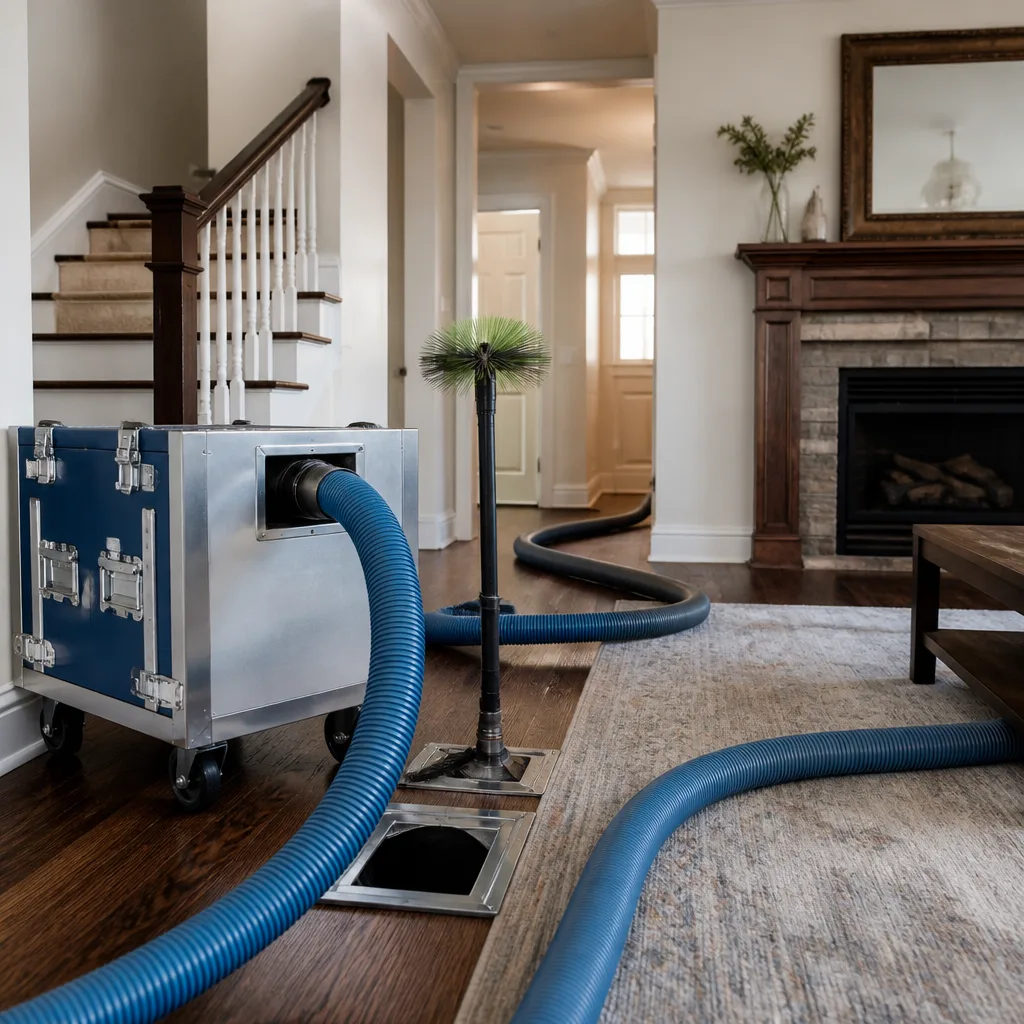 Whole-home duct cleaning
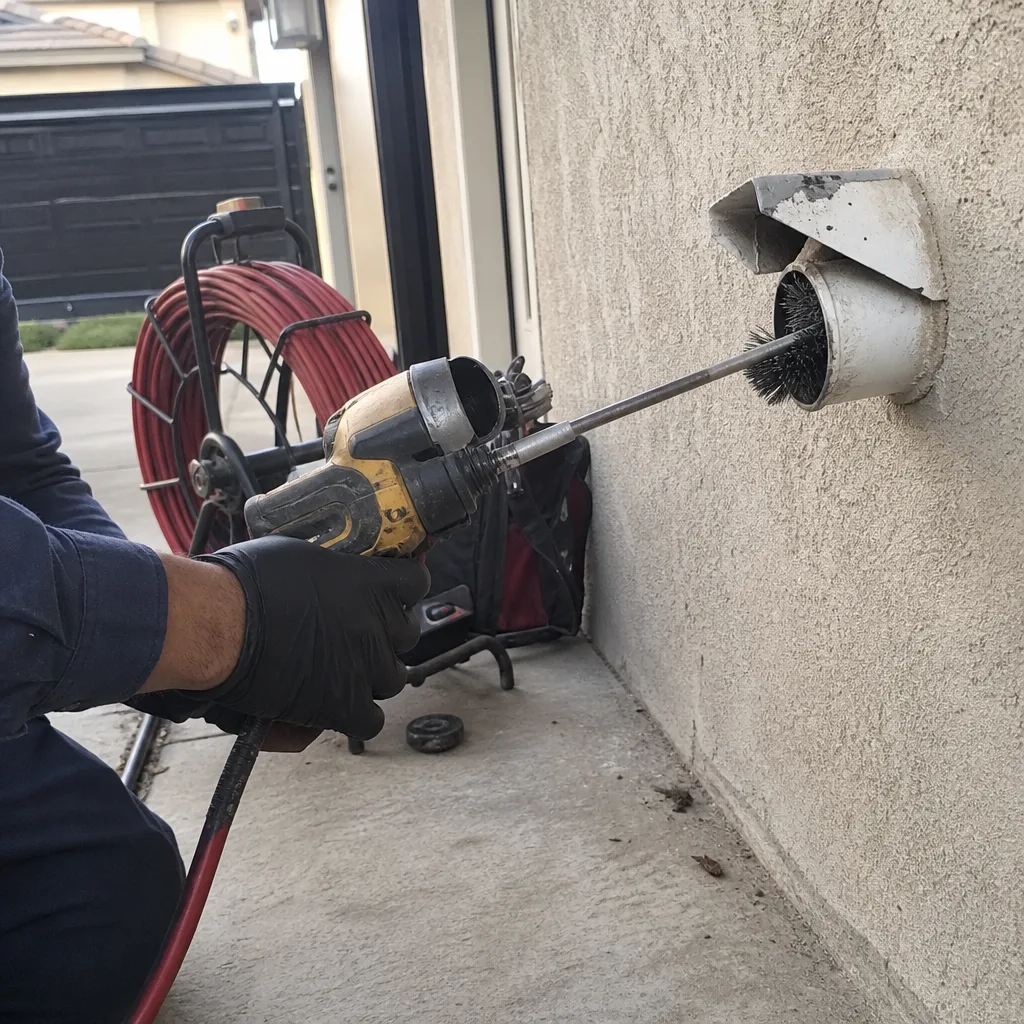
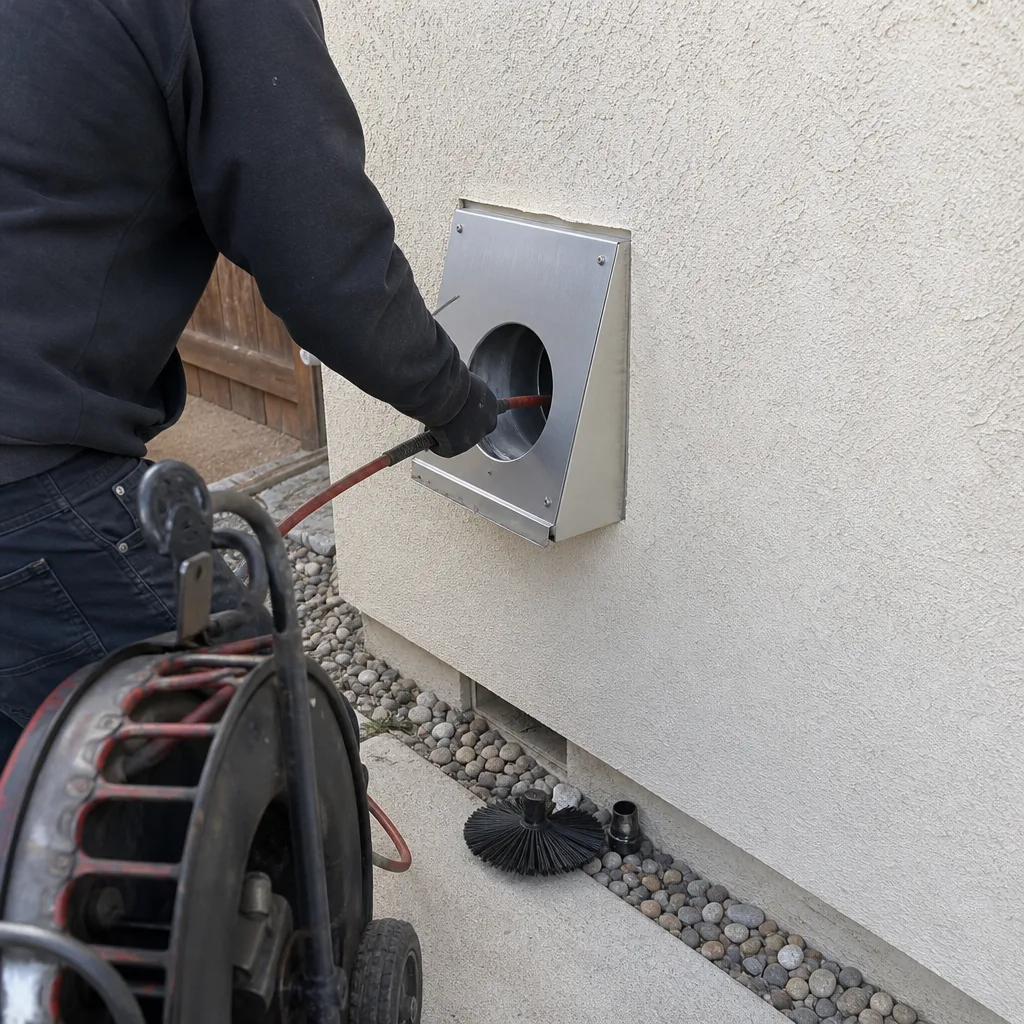
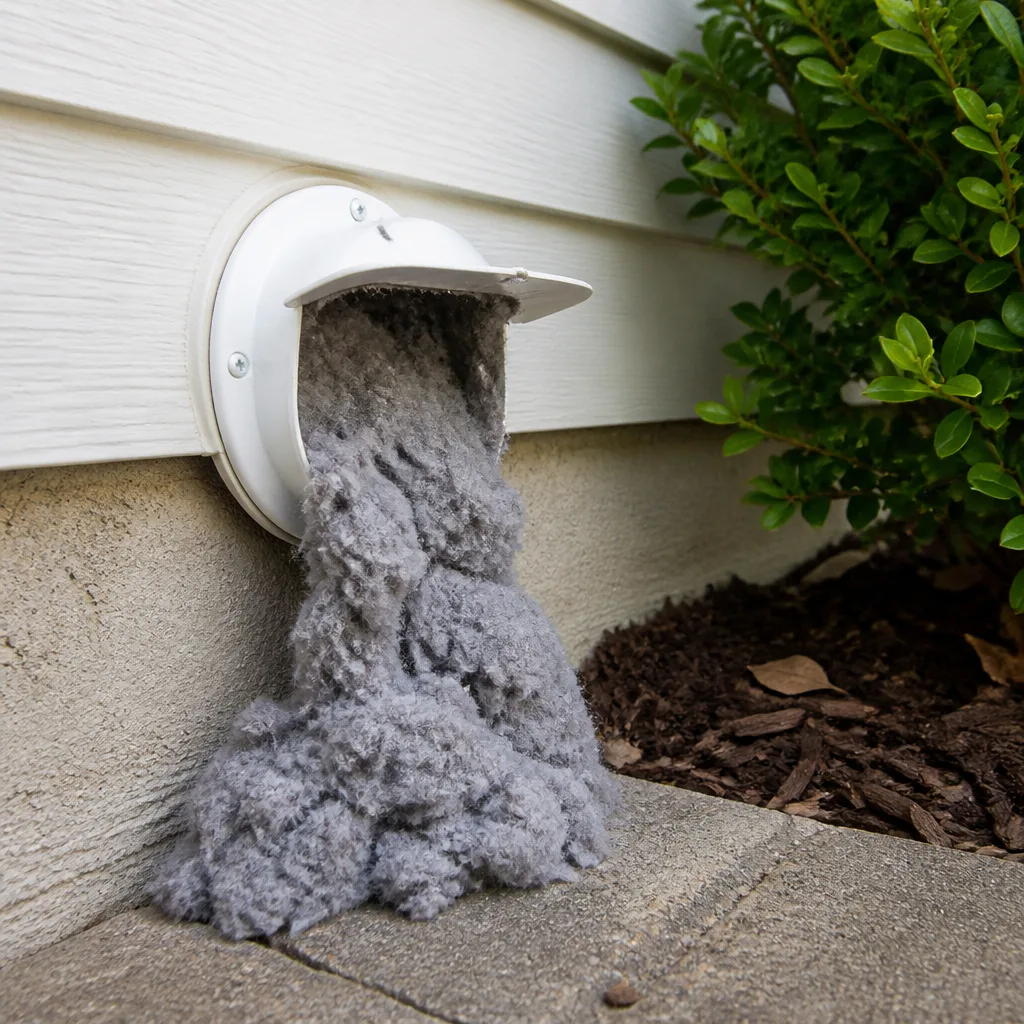 Dryer vent cleaning
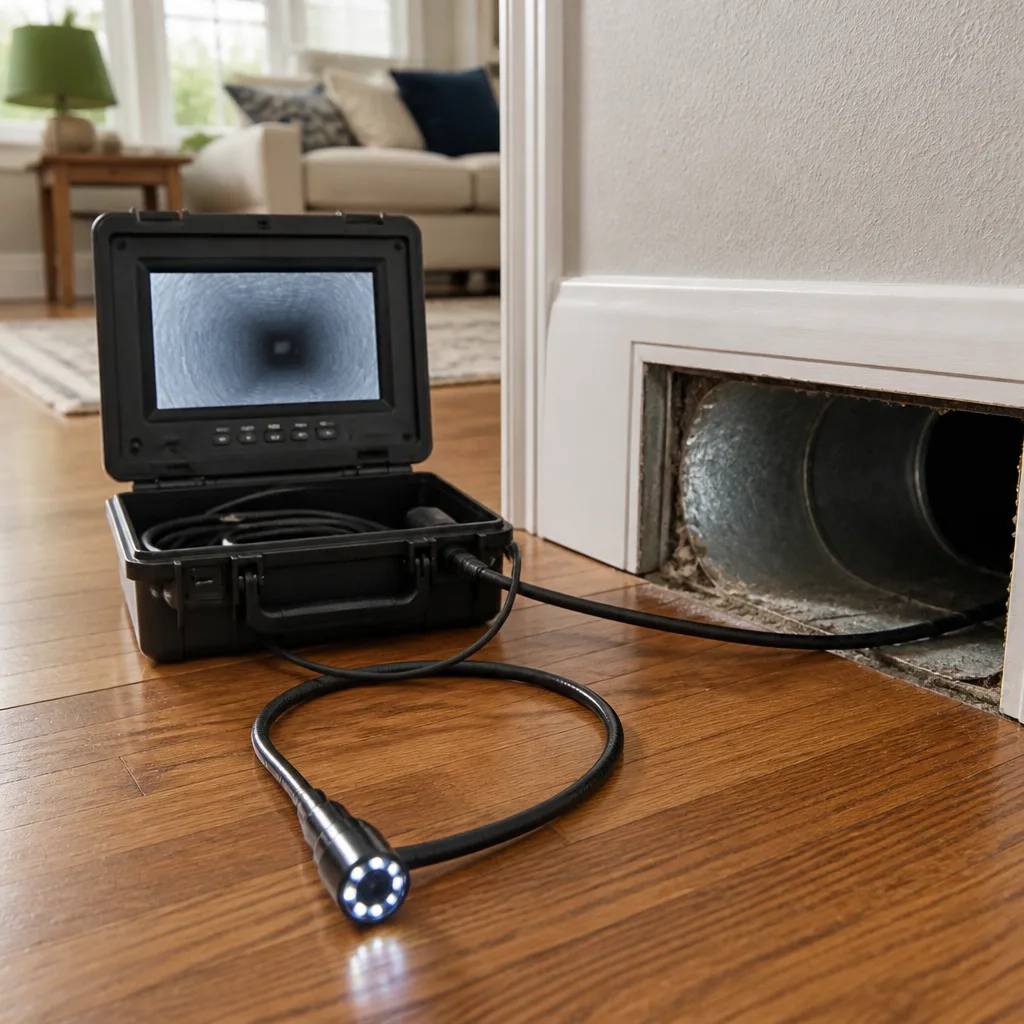 Camera inspection
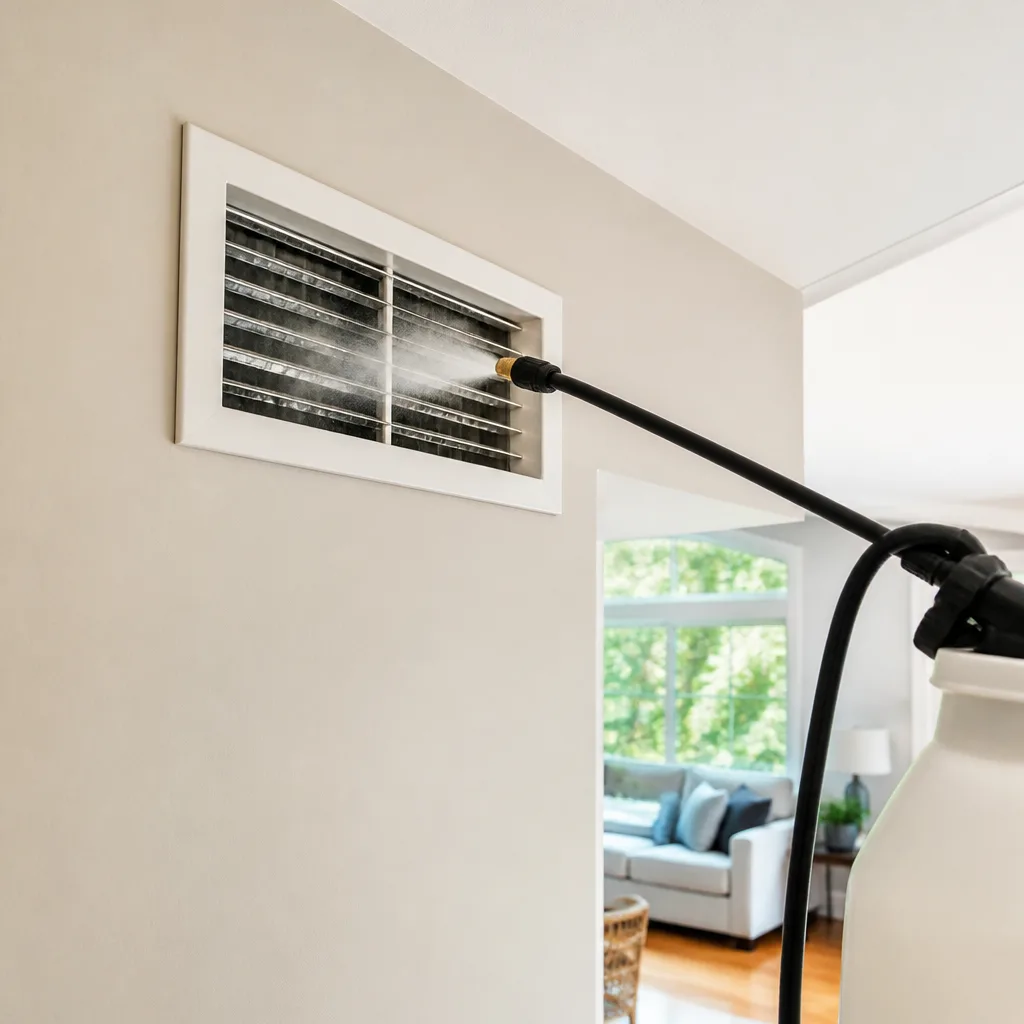 Sanitizing & deodorizing
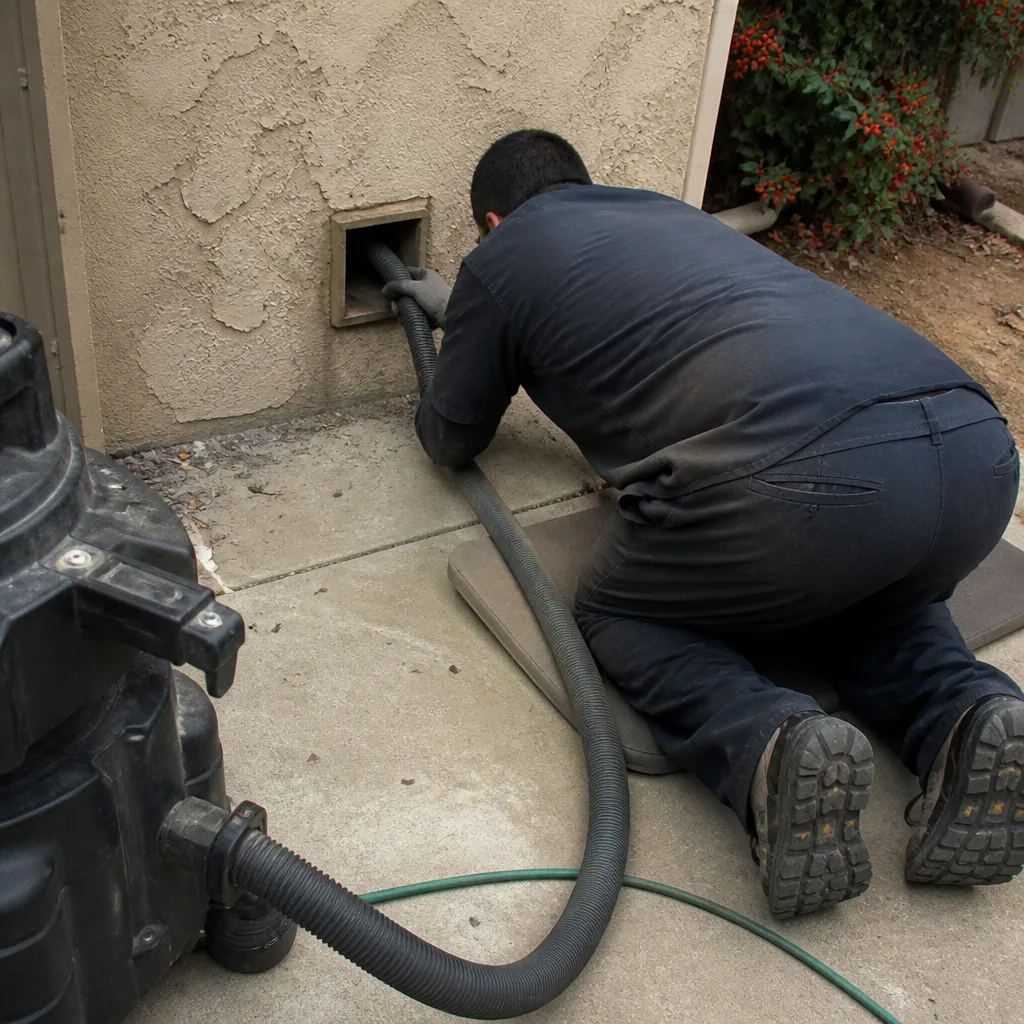
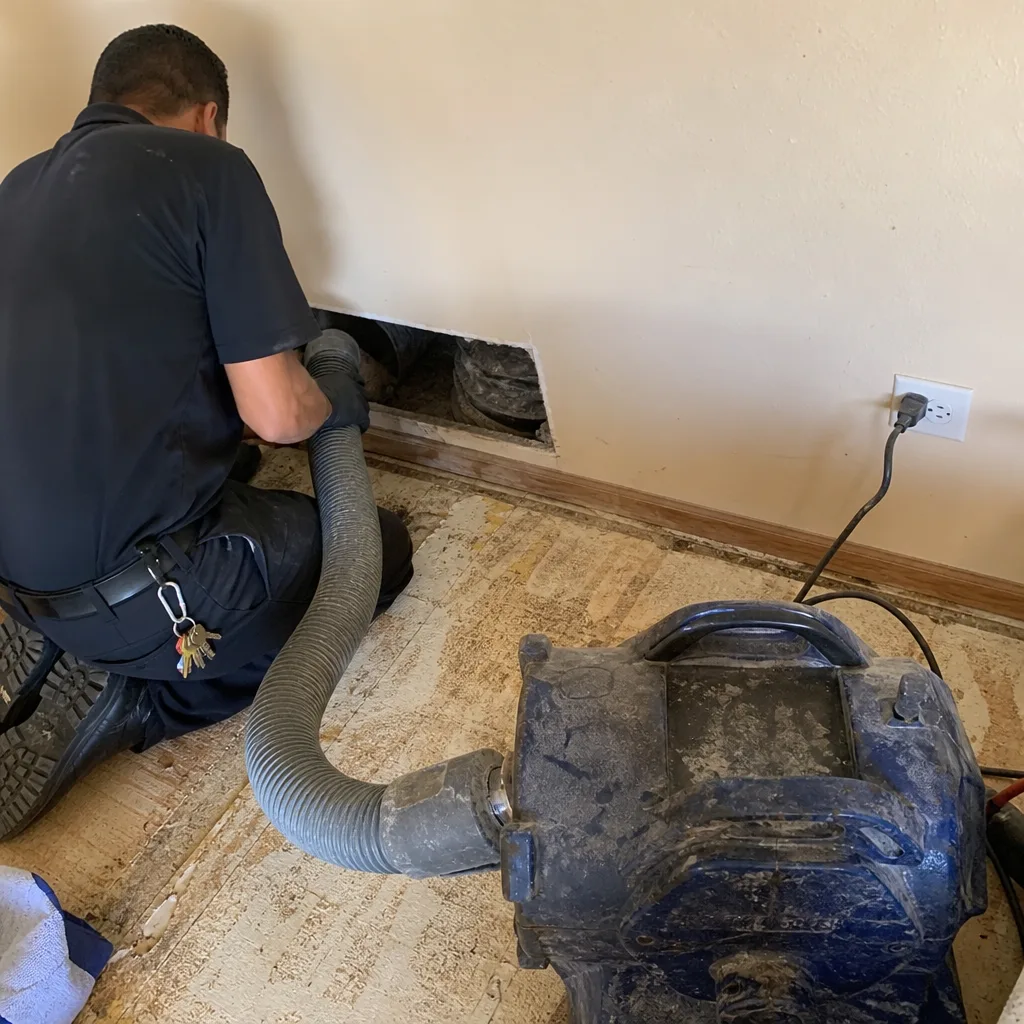
Whole-system duct and dryer vent check with before-and-after photos - you see exactly what came out of your vents
That "$99 whole-house special" is a bait ad - the real number appears once they are in your hallway, or the "clean" is a shop-vac at the register. We photograph the inside of your ducts before and after instead.
Air Duct Cleaning Emergency Preparedness Guide for Lancaster Homes
After the Bobcat Fire dropped ash across the Antelope Valley, thousands of Lancaster-area HVAC systems ran for days pulling smoke-laden air through ducts that hadn’t been inspected since before the event. No emergency preparedness guide told homeowners what to do with their duct system first. This guide – along with our Air Duct Cleaning Maintenance Checklist for Lancaster Homeowners – fixes that gap. You’ll learn the specific duct-system protocols for Lancaster’s three dominant threat scenarios: wildfire smoke, seismic activity, and extreme heat. More importantly, you’ll learn how to document your duct system now so that post-event recovery is faster, cheaper, and fully covered by insurance.
Styles & brands we work with
- Whole-home duct cleaning
- Dryer vent cleaning
- Camera inspection
- Sanitizing & deodorizing
Quick Answer
Air duct cleaning emergency preparedness in Lancaster means having a pre-event baseline record of your duct system, knowing when to shut down and restart your HVAC during wildfire smoke or after an earthquake, and scheduling a post-event inspection of duct connections, plenum joints, and filter media before running your system at full capacity. The goal is preventing contaminated air from circulating through your home after a disaster and ensuring structural duct damage is caught before it becomes a health or fire hazard.
Table of Contents
- Why Lancaster Duct Systems Fail After Disasters
- Wildfire Smoke Protocol: Before, During, and After a Regional Event
- Post-Earthquake Duct Inspection Checklist for Seismic Movement
- Extreme Heat Event HVAC Strain: What 10+ Days of Continuous Runtime Does to Ducts
- Emergency Documentation for Insurance: Photographing and Logging Duct Condition
- How to Establish a Baseline System Record for Emergency Responders
- Common Mistakes to Avoid
- When to Call a Professional
- Frequently Asked Questions
- The Bottom Line
Why Lancaster Duct Systems Fail After Disasters
Lancaster’s climate and geography create a specific set of duct-system vulnerabilities that homeowners in coastal or urban areas simply don’t face. The high desert environment means wide temperature swings, fine particulate dust that infiltrates every seam, and the ongoing reality of wildfire season from roughly June through November. When a disaster event hits, the duct system becomes both a pathway for contaminants and a potential point of structural failure.
In our experience inspecting Lancaster homes, we regularly see flex duct connections that have loosened over years of thermal expansion and contraction. The temperature difference between a July afternoon at 105°F and a January night near freezing puts mechanical stress on every duct joint in the system. When an earthquake adds sudden lateral movement to that already-stressed system, connections that were marginal become fully disconnected. A disconnected return duct doesn’t just reduce efficiency. It pulls air from unconditioned spaces: attics with blown-in insulation fibers, crawl spaces with rodent activity, and wall cavities filled with construction dust.
The second failure mode in Lancaster is debris loading during smoke events. The Antelope Valley sits downwind of multiple wildfire zones, and fine ash particles are small enough to penetrate even well-sealed duct systems. Once inside, that ash accumulates along with existing dust, pollen, and dander. When the system runs continuously during a heat wave that follows a smoke event, the combination of heat, airflow, and accumulated debris accelerates the breakdown of duct liner material and creates conditions where microbial growth can occur. This is why post-event inspection matters as much as cleaning.
Wildfire Smoke Protocol: Before, During, and After a Regional Event
Lancaster sits in a wind corridor that carries smoke from fires in the San Gabriel Mountains, the Tehachapi range, and occasionally from as far as the Sierra foothills. When the Bobcat Fire burned in 2020, smoke plumes reached the Antelope Valley within hours, and air quality indexes spiked into the hazardous range. Here’s the protocol we recommend for Lancaster homeowners.
Before a Smoke Event: Pre-Season Preparation
- Document your filter size and type. Write down the dimensions and MERV rating of your current filter. Store this information with your emergency documents. If you use an Aprilaire media cabinet, note the model number.
- Stock two spare filters. Keep at least two replacement filters on hand before fire season starts. Smoke events cause filters to load rapidly, and stores in Lancaster sell out within hours of a major smoke plume arriving.
- Create your baseline duct map. Photograph each visible duct run, the plenum connections, and the filter housing. Store these photos in cloud storage where you can access them from any device.
- Know your system’s fresh-air intake location. If your home has an outside air intake, know where it is and how to close or block it during smoke events.
During a Smoke Event: System Management
- Switch to recirculation mode if possible. Most residential systems in Lancaster recirculate indoor air by default, but if you have a fresh-air intake, close it.
- Run the fan continuously at low speed. This keeps air moving through the filter, which captures smoke particles. Set your thermostat fan to “On” rather than “Auto.”
- Upgrade to a MERV 13 filter if your system supports it. MERV 13 filters capture smoke particles more effectively than standard MERV 8 filters. However, not every system can handle the increased pressure drop. Check your system’s specifications before upgrading. If you’re uncertain, a Honeywell media filter or Aprilaire cabinet can accommodate higher-MERV filtration with less airflow restriction than a standard 1-inch filter.
- Shut down the system if smoke enters the home. If you smell smoke inside the house, turn the system off immediately. Running the system pulls contaminated air into the ducts, where it will continue to circulate long after the outdoor air clears.
After a Smoke Event: Post-Event Response
- Replace the filter before resuming normal operation. Even if the filter looks clean, smoke particles and ash have embedded in the media. A loaded filter restricts airflow and forces the system to work harder.
- Inspect visible duct runs and registers for ash residue. If you see ash around register openings, particulate has entered the duct interior. This is the point where a professional air duct cleaning in Acton and Lancaster homes should be scheduled.
- Schedule a full-system inspection before the next heat wave. Smoke residue combined with high heat creates a baked-on coating inside ducts that is significantly harder to remove than ambient dust. The longer it sits, the more difficult and costly the remediation.
Post-Earthquake Duct Inspection Checklist for Seismic Movement
Lancaster sits approximately 40 miles from the San Andreas Fault and experiences perceptible shaking from both that fault and the Garlock Fault, which runs along the northern edge of the Antelope Valley. Even a magnitude 4.0 event can dislodge duct connections that have been in place for decades. Here’s what seismic movement does to duct systems and how to check for damage before running your HVAC.
What Earthquakes Do to Duct Systems
Flex duct is the predominant duct material in Lancaster residential construction. It connects rigid trunk lines to individual room registers using metal or plastic collars secured with zip ties or band clamps. During seismic shaking, the duct hangers and straps that support horizontal runs stretch and loosen. The flex duct sections themselves can pull free from their collars, especially at the plenum connection where the main trunk meets the air handler. This is the most common post-earthquake duct failure we see in Lancaster homes.
Rigid sheet metal duct, found in some older Lancaster homes and larger commercial properties, is more resistant to disconnection but vulnerable at the joints where sections connect. Seismic movement can break the sealant at these joints, creating air leaks that draw in attic air and reduce system pressure throughout the home.
Post-Earthquake Duct Inspection Steps
- Check the air handler connection first. The plenum where the main trunk connects to the furnace or air handler takes the most stress during shaking. Look for gaps, separated tape, or visible displacement.
- Inspect attic duct runs. Walk through the attic with a flashlight and examine each flex duct connection. Look for sagging runs that indicate broken hangers or straps.
- Check all register boots. At each room register, remove the cover and check that the duct connection remains sealed to the floor or wall opening. Gaps here pull in air from the floor cavity or wall space.
- Listen during a system test. Turn the system on and walk through each room. A disconnected duct sounds like rushing air in the wrong place, often from the attic or behind walls.
- Check for visible dust accumulation around registers. If you see dust streaks or staining around a register after an earthquake, that register’s duct connection may have separated and is now pulling attic air directly into the living space.
If you find disconnection, disconnected duct sections, or suspect hidden damage, the repair scope often extends beyond simple reconnection. Structural damage to duct systems should be addressed by a company that performs air duct repair in Acton and the greater Lancaster area, because a reconnected duct with compromised support hangers will simply disconnect again during the next seismic event.
Extreme Heat Event HVAC Strain: What 10+ Days of Continuous Runtime Does to Ducts
Lancaster regularly experiences stretches of 10 or more consecutive days above 100°F during July and August. During these events, residential HVAC systems run nearly continuously from late morning through midnight. The average Lancaster system logs more runtime hours in one summer week than many coastal systems log in a month. This sustained operation has specific consequences for duct systems.
How Sustained Runtime Affects Ducts
Continuous airflow through ducts at maximum velocity loosens debris that has been accumulating since the last cleaning. Dust, pet hair, and particulate that was adhered to duct walls breaks free under sustained airflow. This is why many Lancaster homeowners notice increased dust around registers during and immediately after heat waves. The system isn’t creating new dust. It’s mobilizing what was already there.
Heat also affects the duct materials themselves. Flex duct liner can degrade faster when exposed to sustained high temperatures, especially in attic spaces where ambient temperatures can reach 140°F or higher. The adhesives and sealants at duct joints break down under thermal cycling, and the tape used on older duct installations loses adhesion. When the system finally cycles off and temperatures drop overnight, the materials contract, and marginal connections fail.
Post-Heatwave Duct Inspection Priorities
- Inspect for new or increased debris at registers. If you’re vacuuming more frequently or seeing visible particulate around supply registers, your ducts are actively shedding accumulated debris.
- Check attic duct runs for visible sagging. Heat causes insulation and hangers to loosen, and sagging duct runs reduce airflow and create condensation points.
- Examine filter condition. If your filter is loading significantly faster during heat waves, it’s a sign that duct-borne debris is being pulled through the system.
- Schedule professional cleaning if debris is visible. Duct cleaning after a heavy-use period removes the loosened debris before it re-adheres to duct walls, which makes the next cleaning cycle longer.
This is also the scenario where the difference between a surface-level cleaning and an engineered clean becomes obvious. Air Duct Cleaning services using Rotobrush and Nikro systems that our technicians employ remove debris under agitation and negative pressure, not just what a vacuum wand can reach. Duct systems in Lancaster that have endured multiple heat waves without cleaning need that mechanical agitation to loosen and extract heat-set debris.
Emergency Documentation for Insurance: Photographing and Logging Duct Condition
Insurance claims for duct system damage after a disaster event frequently fail because homeowners cannot prove the pre-event condition of their system. The burden of proof falls on the policyholder, and without documentation, the insurance adjuster will assume the damage was pre-existing. Here’s how to build a documentation file that will stand up to scrutiny.
What to Photograph Now
- The air handler and plenum connections. Show the seals, the tape or mastic condition, and the physical position of the main trunk connection.
- Visible duct runs in the attic or crawl space. Photograph hanger spacing and condition, flex duct sag or kinks, and any existing damage you already know about.
- Every register and return grille. Remove the covers and photograph the duct connection at each location. Show that the connections are intact and sealed.
- The filter housing and the installed filter. Document the filter size, type, and condition. This establishes baseline maintenance if you need to claim filter replacement costs.
- The condenser unit and refrigerant lines. While not part of the duct system, these are often included in HVAC-related claims, and having baseline photos strengthens the overall documentation.
How to Log the Information
Store photos in a cloud service with dates and locations labeled. Keep a simple spreadsheet or document with the following fields: photograph date, system component, condition notes, and any maintenance performed. Update the file after every service visit, filter change, or repair. When you schedule professional duct cleaning, request before-and-after photographs from your provider. These photos show an insurance adjuster that the system was professionally maintained, which supports claims for post-event remediation.
Abatement Technologies equipment used during professional cleaning also generates documentation of the cleaning process itself, which can be valuable in claims where contamination from a specific event is being disputed. The more professional the documentation trail, the harder it is for a claim to be denied as pre-existing condition.
How to Establish a Baseline System Record for Emergency Responders
If you’re displaced from your Lancaster home after a significant event, emergency responders and restoration contractors may need to access your duct system without your guidance. A baseline system record gives them the information they need to shut down, inspect, or operate your system safely. This documentation should be stored both in your home and in your emergency go-bag.
What to Include in Your Baseline System Record
- A duct map. Draw or diagram the location of the air handler, main trunk line, branch runs, and each return and supply register. Note which rooms are served by which branch. Photo documentation serves as visual backup.
- System specifications. Record the HVAC system brand, model number, filter size and type, and any special features like zoning dampers, fresh-air intakes, or Aprilaire media cabinets.
- Last cleaning date. Note when the system was last professionally cleaned and by whom. Include contact information for that provider.
- Known issues. Document any existing duct damage, disconnected runs, or areas that have been repaired. This prevents restoration contractors from attributing pre-existing damage to the disaster event.
- Shutoff location. Note where the main HVAC system disconnect is located, typically near the air handler or at the electrical panel.
Keep a printed copy in a waterproof sleeve near the air handler and a digital copy in cloud storage. If you’re evacuated, this record allows restoration professionals to make informed decisions about system shutdown and decontamination without needing to trace ducts through an attic they’ve never been in. The Duct Cleaning Lancaster home team built our service model around the reality that Lancaster homeowners face these scenarios, and documentation is the foundation of every engineered clean we perform.
Common Mistakes to Avoid
- Running the HVAC system during a smoke event without a fresh filter. A loaded filter can’t capture smoke particles. The system then circulates contaminated air throughout the home and deposits particulate inside the ducts where it will remain until professionally cleaned.
- Assuming post-earthquake system function means system integrity. A duct that has partially separated from its connection may still deliver air to the room while pulling attic air into the system. The system runs, but it’s not intact. Visible inspection is required.
- Waiting until after a disaster to schedule pre-disaster documentation. The most common insurance claim failure in Lancaster is the absence of pre-event photos. You cannot document a system after it’s damaged.
- Upgrading to a MERV 13 filter without verifying system compatibility. Higher-MERV filters increase pressure drop. In some older Lancaster systems, this causes the blower to overheat or the evaporator coil to freeze. Check specifications or consult a professional before upgrading.
- Ignoring visible debris around registers after a heat wave. Post-heatwave debris is a symptom of duct-borne particulate being mobilized. If it’s visible at the register, more of it remains inside the ducts and will continue to circulate.
- Scheduling duct cleaning without repair inspection first. Cleaning a duct system with disconnected sections spreads debris into building cavities and does nothing for the structural problem. Cleaning and repair assessment should happen together.
When to Call a Professional
You need a professional duct inspection after any of these specific events: a regional smoke event that caused visible ash around registers or lingering odors, an earthquake of magnitude 4.0 or greater that produced felt shaking in Lancaster, a heat wave of 10 or more days where the system ran continuously, or any insurance claim involving the HVAC system or interior air quality. Professional inspection uses specialized equipment to assess duct integrity and contamination levels that visual inspection cannot detect.
Duct Cleaning Lancaster offers free estimates in Lancaster. Call (833) 589-9773 to schedule a post-event inspection or to establish your pre-event baseline documentation. We also provide dryer vent cleaning in Acton and throughout the Lancaster area, because dryer vent systems face the same contamination and structural risks during disaster events that duct systems do.
Frequently Asked Questions
Most Lancaster homes need professional duct cleaning every 3 to 5 years under normal conditions because the high desert environment deposits more fine particulate into HVAC systems than coastal or urban locations. Homes with pets, smokers, or recent renovation should clean every 2 to 3 years. If your home has experienced a wildfire smoke event or earthquake damage, schedule a cleaning and inspection regardless of the last service date.
You cannot effectively clean duct interiors with household equipment because residential vacuums lack the airflow and agitation capability to dislodge and capture particulate embedded in duct walls. Professional Rotobrush and Nikro systems use mechanical agitation brushes and negative-pressure collection that reaches the full length of the duct run. After a contamination event, professional cleaning with proper containment is the only way to prevent redistributing captured particulate through your home.
The clearest signs are new or increased dust around specific registers, rushing air sounds from the attic or walls when the system runs, rooms that are suddenly warmer or cooler than others, and visible displacement at plenum connections or flex duct collars. Any of these symptoms warrants a professional inspection before the system is run at normal capacity. Duct disconnection is a hidden problem that gets worse with continued operation.
A MERV 13 filter provides the best filtration for smoke particles, but only if your system’s blower can handle the increased pressure drop. Many Lancaster homes with standard 1-inch filter slots cannot accommodate MERV 13 without risking blower damage. If you’re using an Aprilaire media cabinet or Honeywell media filter, you can typically run higher MERV filtration more safely. Check your system specifications or consult a professional before changing filter ratings.
Duct system repairs are typically covered if the damage was caused by a covered peril such as earthquake, wind, or fire, and if you can provide pre-event documentation showing the system was in good condition. Coverage depends on your specific policy, deductible, and whether you carry earthquake or flood endorsements. Photograph your duct system before disaster season to make the claim process straightforward. Without pre-event photos, adjusters often classify duct damage as pre-existing wear and tear.
Low-priced duct cleaning operations in Lancaster typically run a vacuum hose from a truck-mounted or portable unit into the main trunk line only, without cleaning individual branch runs and without agitation. This leaves the majority of duct surface area untouched. Companies using Rotobrush or Nikro equipment with mechanical agitation and negative-pressure extraction clean each branch run individually, which takes more time and costs more but produces an engineered clean rather than a superficial one. The price difference reflects the difference between partial and complete system cleaning. Call (833) 589-9773 for a flat whole-system quote.
The Bottom Line
Lancaster’s wildfire, earthquake, and extreme heat risks create duct-system scenarios that most emergency preparedness checklists ignore entirely. The system that moves your air is also the system that distributes whatever the disaster introduces: smoke particulate, attic contaminants from separated connections, and debris mobilized by continuous heat-wave runtime. Preparing your duct system means documenting its condition now, knowing the shutdown and restart protocols for each event type, and having a professional inspection and cleaning scheduled before the next event cycle begins. For additional help, see our more guides & resources. Your ducts are either part of your emergency plan or part of the problem. Document, inspect, and clean them before you need them.
Written by the team at Duct Cleaning Lancaster, serving Lancaster since 2014.
See the difference
 Before
 After
 Before
 After
 Before
 After