
Last updated November 3, 2026
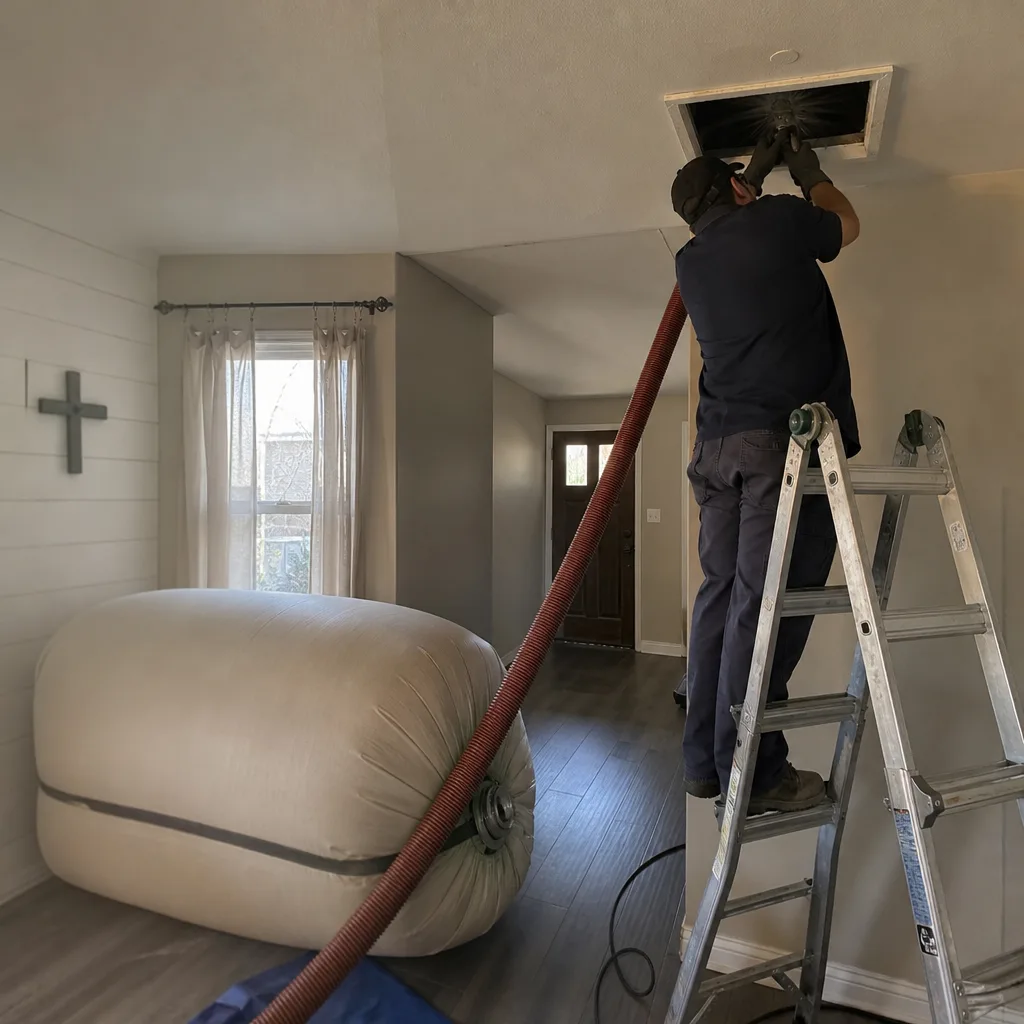
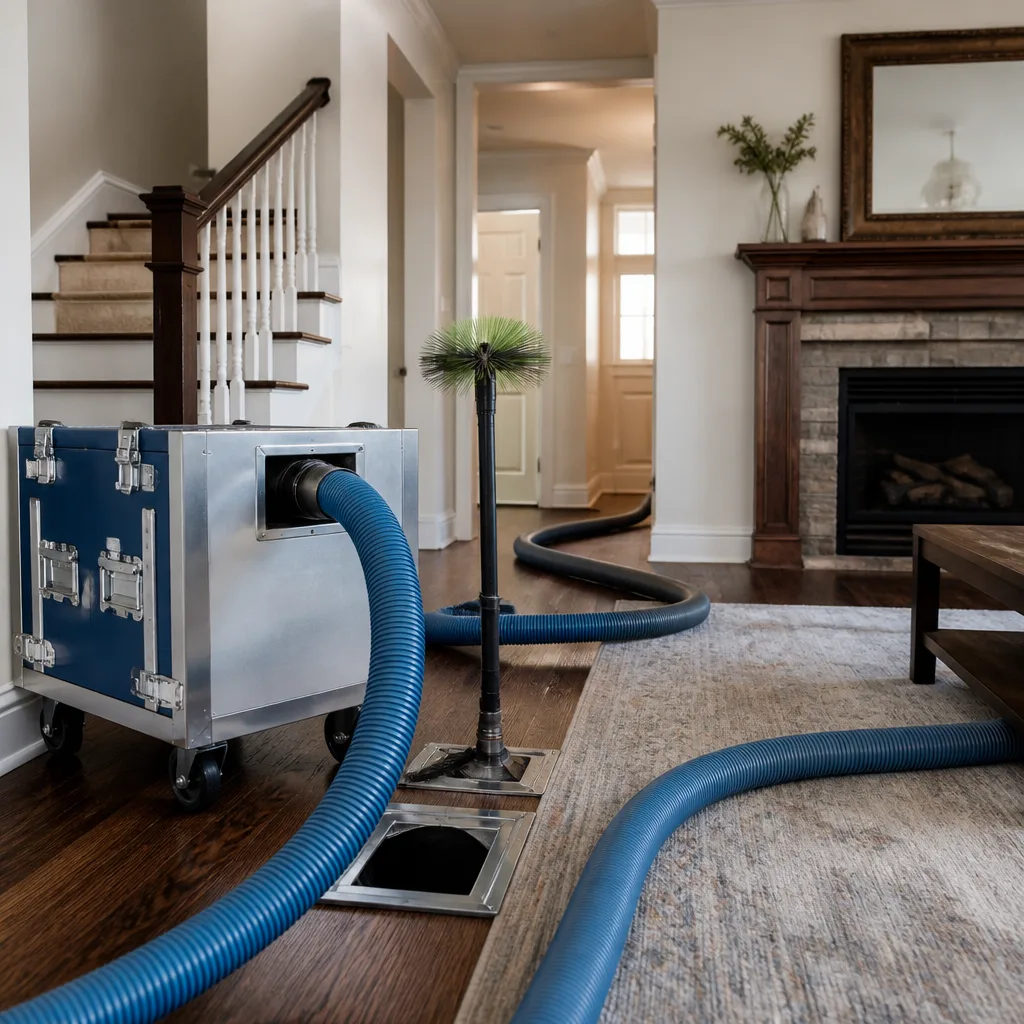 Whole-home duct cleaning
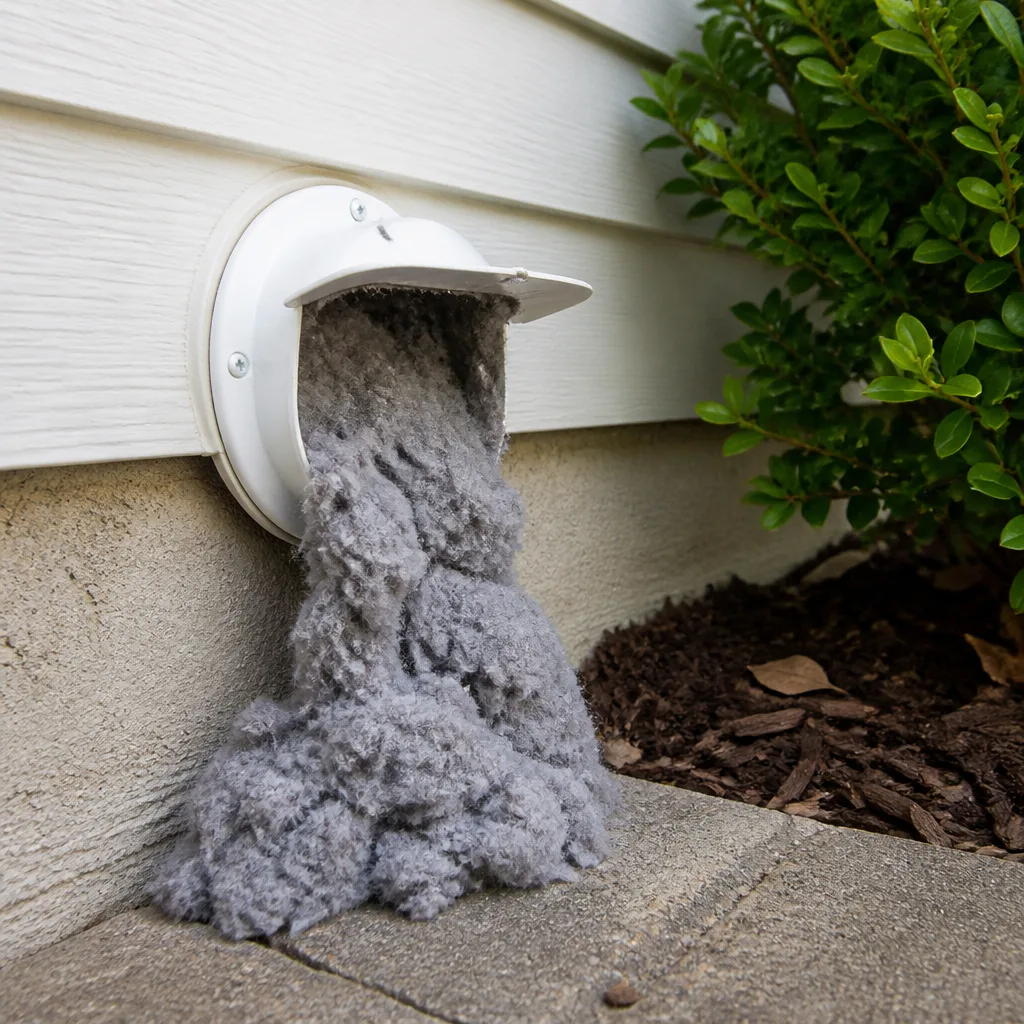 Dryer vent cleaning
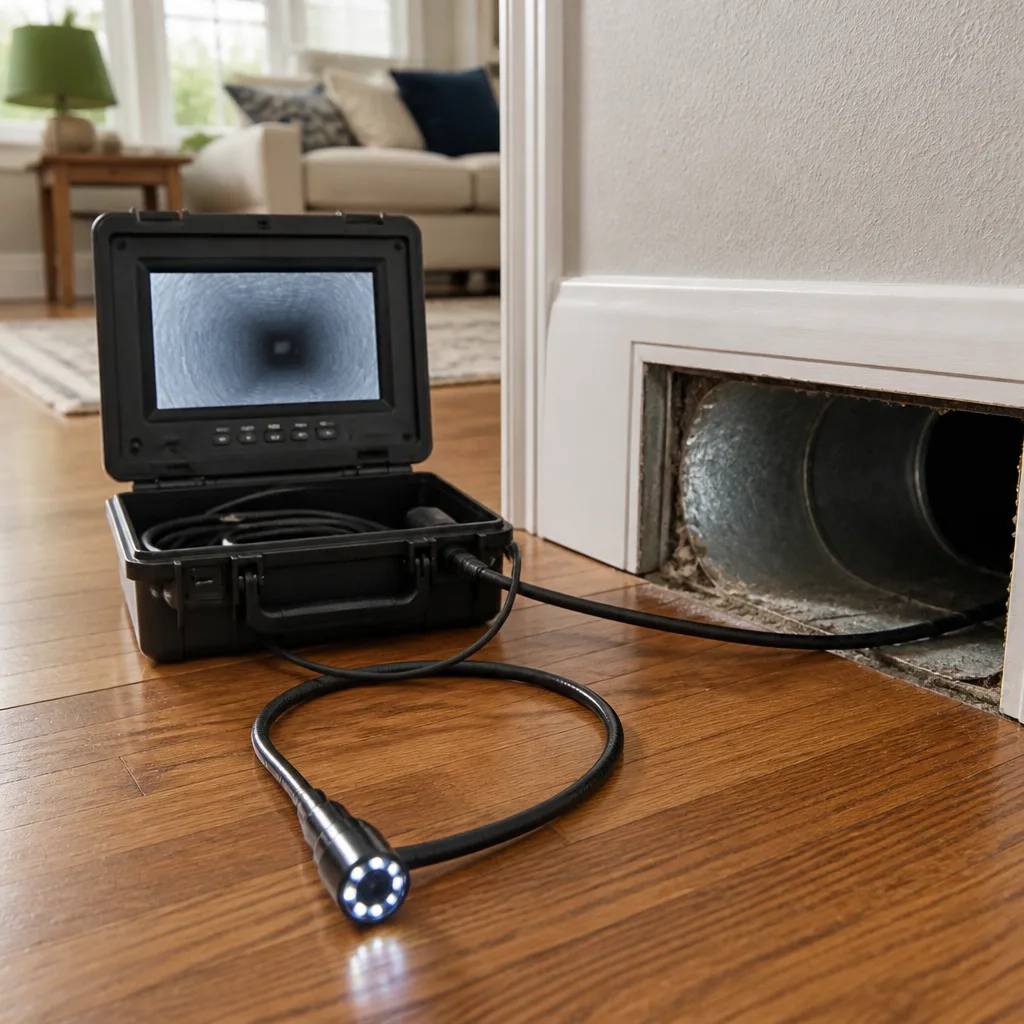 Camera inspection
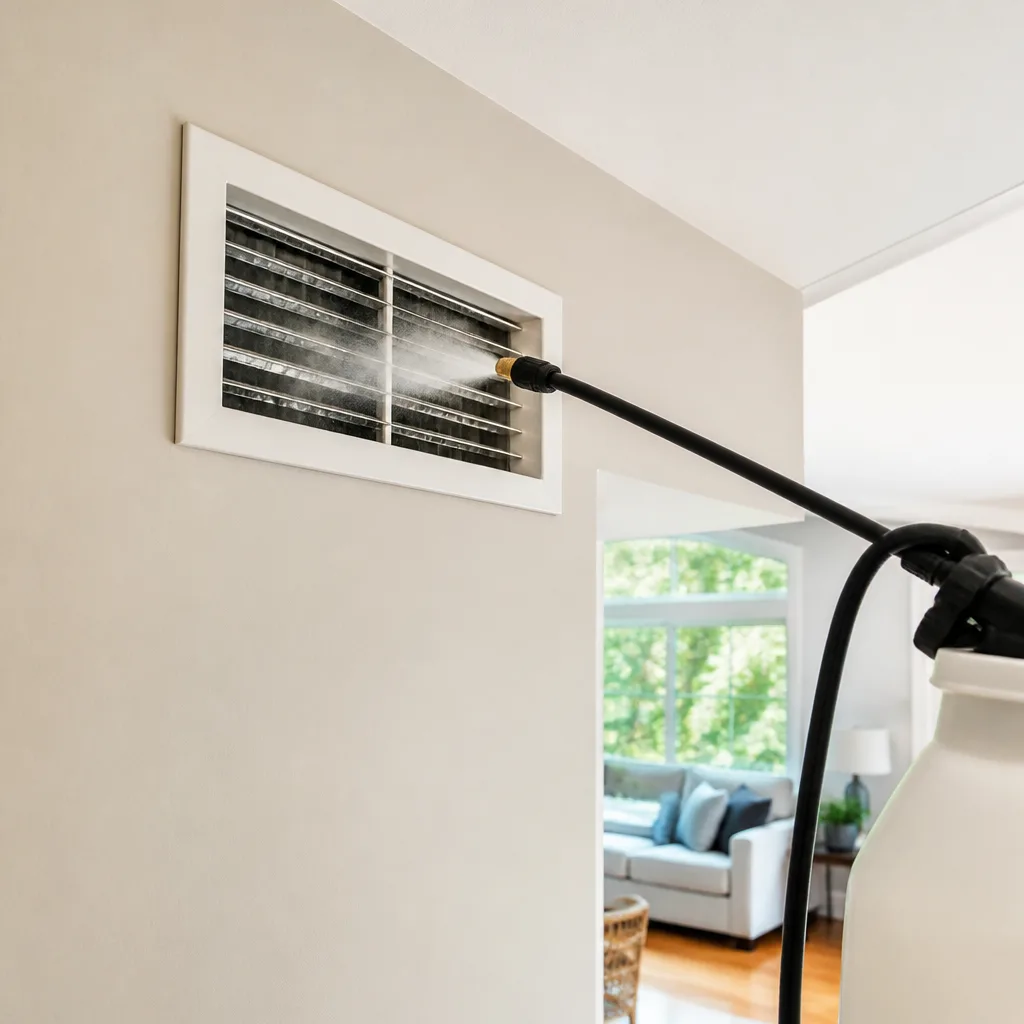 Sanitizing & deodorizing
Whole-system duct and dryer vent check with before-and-after photos - you see exactly what came out of your vents
That "$99 whole-house special" is a bait ad - the real number appears once they are in your hallway, or the "clean" is a shop-vac at the register. We photograph the inside of your ducts before and after instead.
Choosing the Right Air Duct Cleaning Brand: A Buyer’s Guide for Lancaster
If you enter “best air duct cleaning company Lancaster CA” into Google, you’ll find a dozen names that all sound remarkably similar. That’s not an accident. Duct cleaning has a branding problem in the Antelope Valley, one fueled by national franchise marketing that emphasizes recognizable logos over measurable technical standards. Here’s the counterintuitive truth we’ve learned from years of cleaning and repairing ducts in Lancaster: the brand name on the van tells you almost nothing about the equipment inside it. A franchise location in one city may operate industrial-grade Rotobrush systems while another location under the same banner runs a repurposed carpet-cleaning vacuum. This guide and our Complete Air Duct Cleaning Guide for Lancaster Homeowners will show you how to evaluate the equipment, credentials, and capabilities that actually determine whether a duct cleaning job is done right, and why local independents often beat national names in a market like Lancaster.
Styles & brands we work with
- Whole-home duct cleaning
- Dryer vent cleaning
- Camera inspection
- Sanitizing & deodorizing
Quick Answer
The right air duct cleaning brand in Lancaster is not the most recognizable name. It’s the company that owns professional-grade equipment like Rotobrush or Nikro systems, carries verifiable certification, documents the work with before-and-after photos, and has genuine repair capability. In Lancaster, locally-owned duct specialists typically outperform franchised brands because they answer to local climate realities, not a national playbook.
Table of Contents
- Why Duct Cleaning Brand Names Fail the Consumer
- Equipment Is the Real Brand: Rotobrush, Nikro, and What Actually Cleans Ducts
- NADCA Certification: The Closest Thing to a Real Credential
- The Independent Specialist Advantage in Lancaster
- Repair Capability: The Differentiator Most Buyers Overlook
- The Lancaster Vendor Evaluation Scorecard
- Common Mistakes to Avoid
- When to Call a Professional
- Frequently Asked Questions
- The Bottom Line
Why Duct Cleaning Brand Names Fail the Consumer
Unlike HVAC equipment, where a Carrier heat pump is a Carrier heat pump no matter who installs it, duct cleaning has no manufacturer that enforces uniform specifications across every operator. There is no governing body that requires a franchisee to use a specific vacuum system, a specific agitation tool, or even a specific number of passes through each duct run. The brand identity is, in most cases, a marketing wrapper. A national franchise may own a strong website and a recognizable color scheme, but the actual cleaning is performed by whatever local crew got hired last month, armed with whatever equipment the owner decided to buy.
This variance shows up in Lancaster as often as anywhere. The desert climate produces dust and particulate that behaves differently than the humidity-heavy air of coastal or eastern markets. A standardized national protocol developed for, say, Ohio or Florida simply does not account for how fine, powdery Lancaster dust packs into return ducts and settles across coils. When a franchise operator follows a corporate checklist rather than adapting to what’s actually in the ducts, the job may check the right boxes on paper and still leave a system that re-contaminates within weeks. In our experience, knowing the name on the invoice is a poor substitute for knowing the method behind it.
The practical takeaway is this: when you’re comparing companies in Lancaster, ignore the branding noise. Look instead for the equipment list, the certification documentation, and the specific answers technicians give when you ask about your system. Those are signals a company can’t fake.
If you’re ready to skip the franchise guessing game, start with a provider who lists its equipment and process openly. The Duct Cleaning Lancaster home page outlines our full system, from inspection through final documentation.
Equipment Is the Real Brand: Rotobrush, Nikro, and What Actually Cleans Ducts
The single most reliable predictor of a thorough duct cleaning is the category of equipment the technician rolls through your front door. Not the logo on the shirt. Not the color of the van. The machine. Understanding the difference between consumer-grade, general-purpose, and industrial-grade equipment will help you filter out most of the lowest-quality operators in Lancaster before you even make a phone call.
Consumer-grade equipment is what you find at rental counters and home centers. These systems use modest suction power and a basic brush head. They can remove loose, surface-level dust from the first few feet of a duct run, but they lack the negative-air pressure and agitation force required to dislodge the packed, oily buildup that accumulates over years of Lancaster heating and cooling cycles. A company running this equipment is providing a visual clean, not an engineering clean.
General-purpose commercial vacuums, including those designed for carpet or restoration work, fall into a middle category. They generate more suction, but they weren’t designed with the duct-system envelope in mind. Their filtration may not handle the fine particulate load that a full duct cleaning releases, and their hose systems often can’t reach the full depth of a residential branch line.
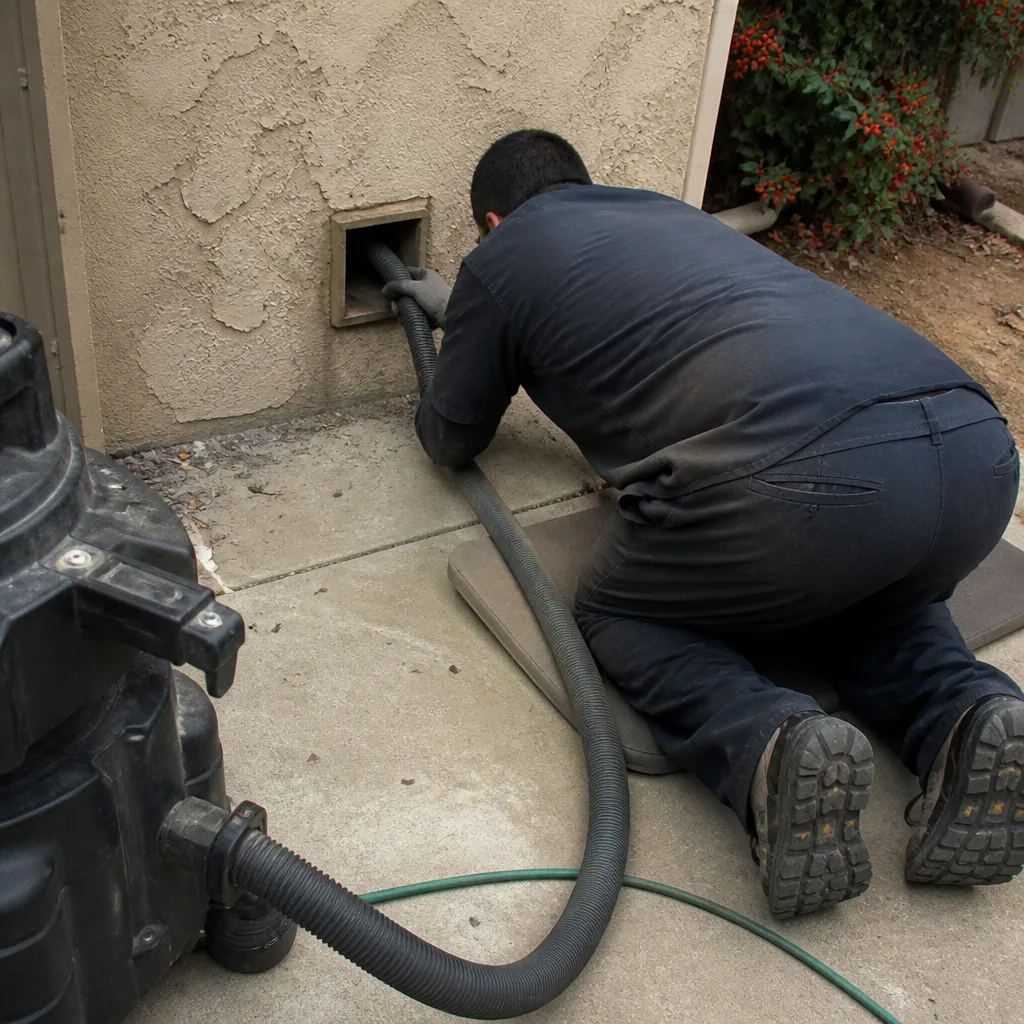
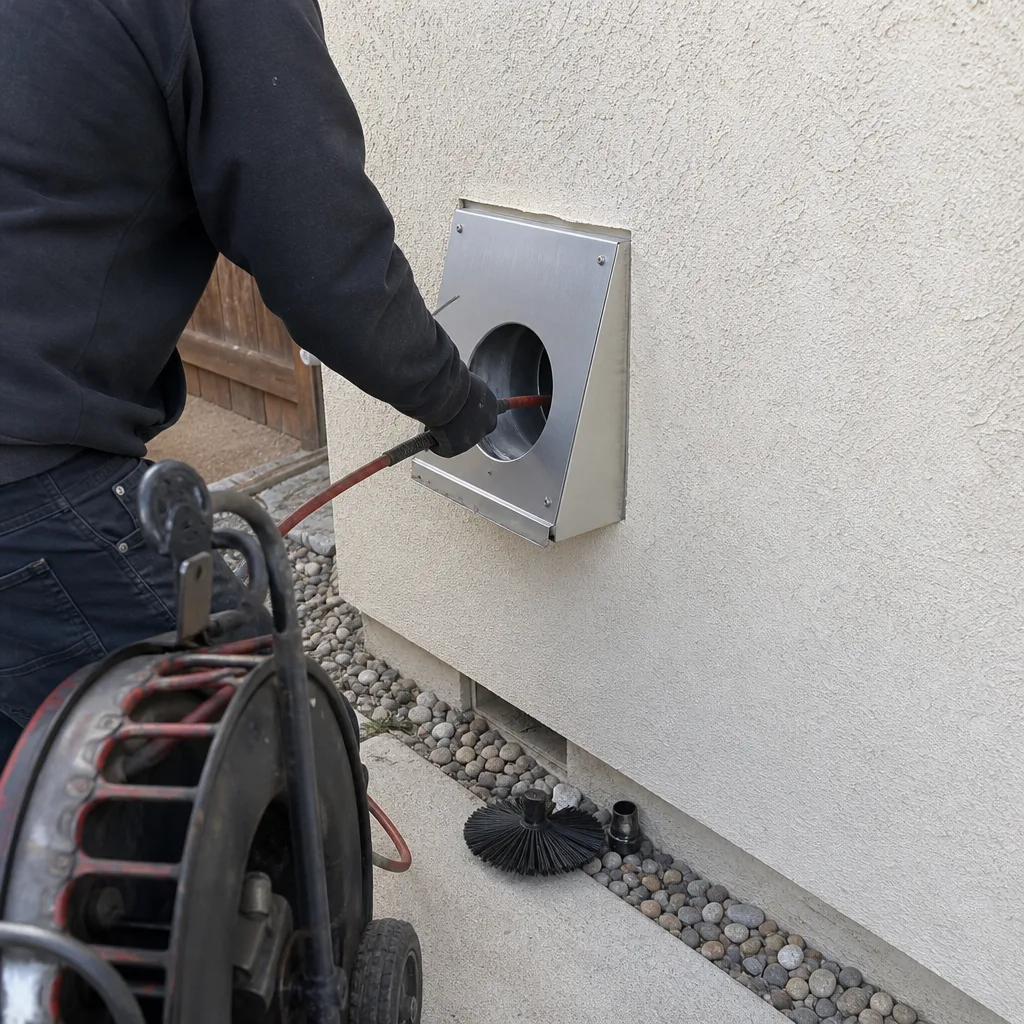
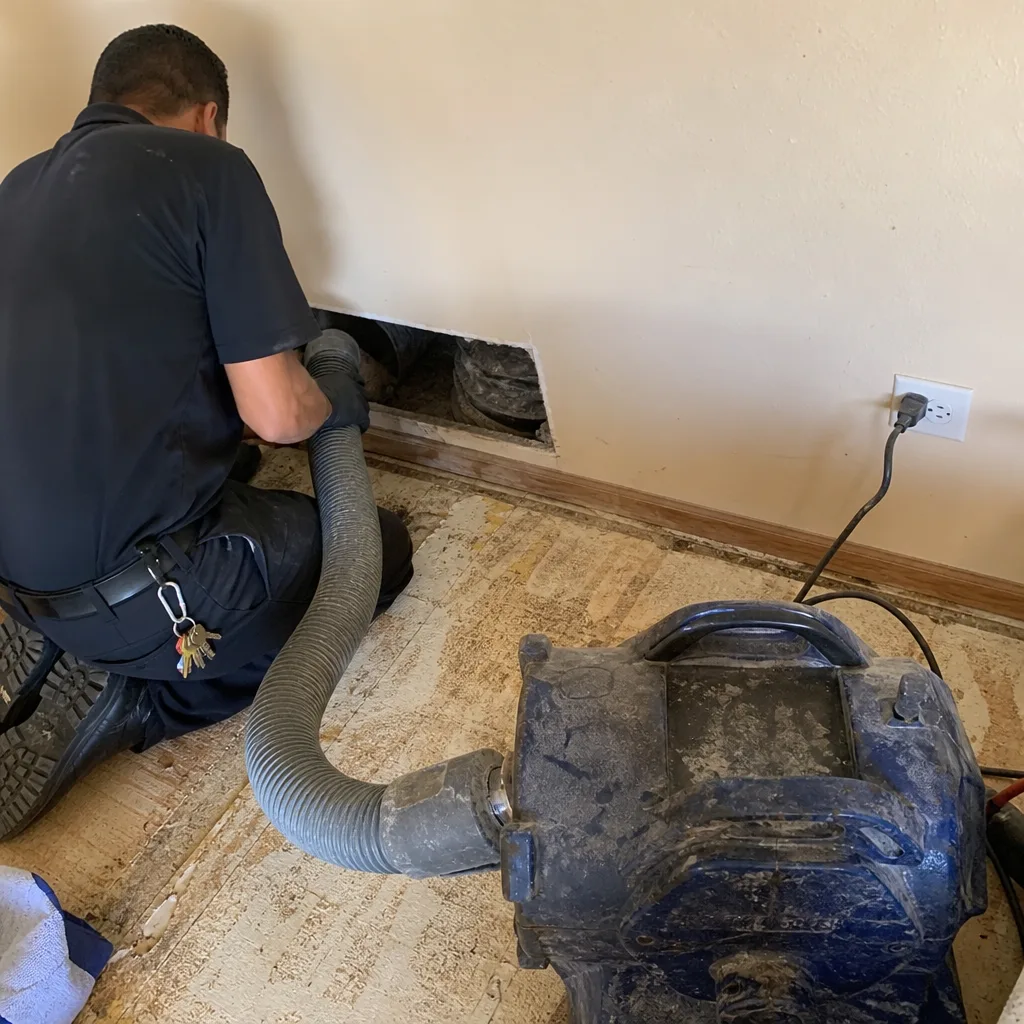
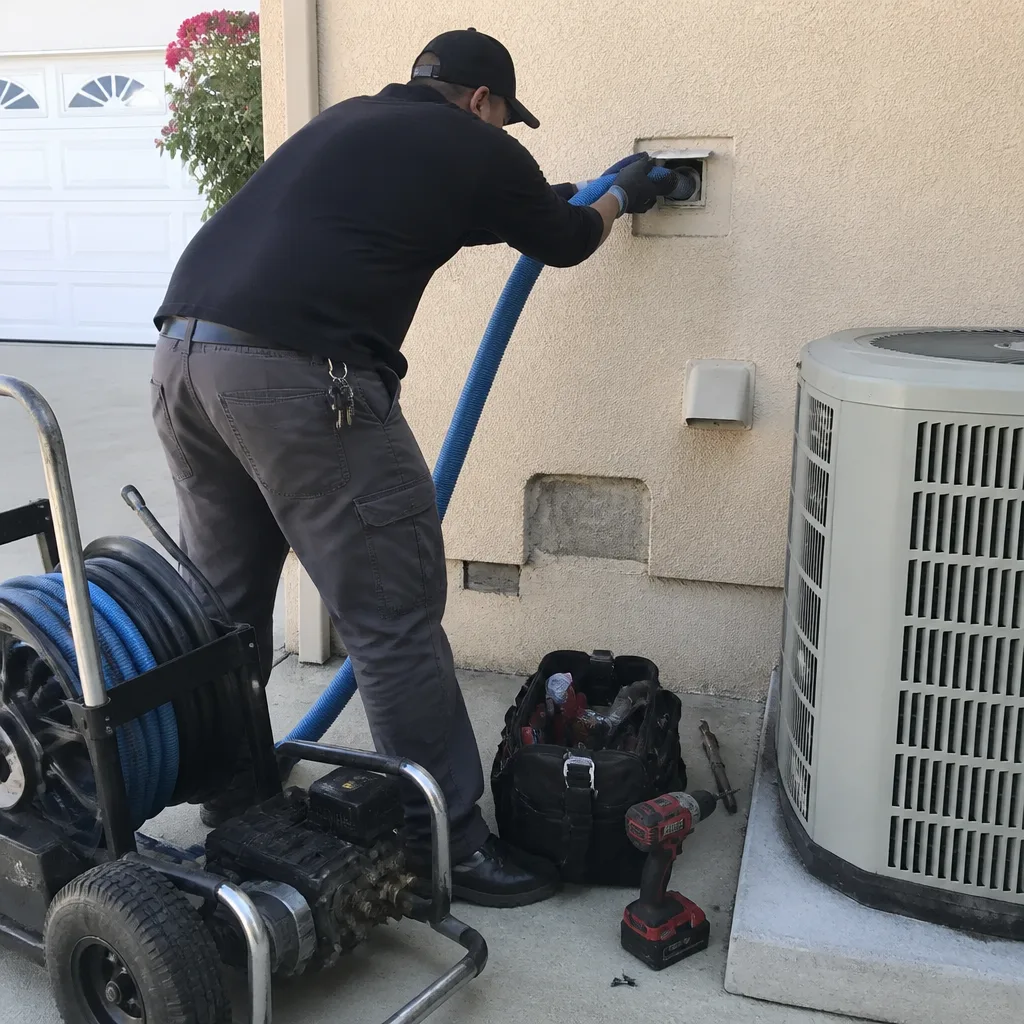
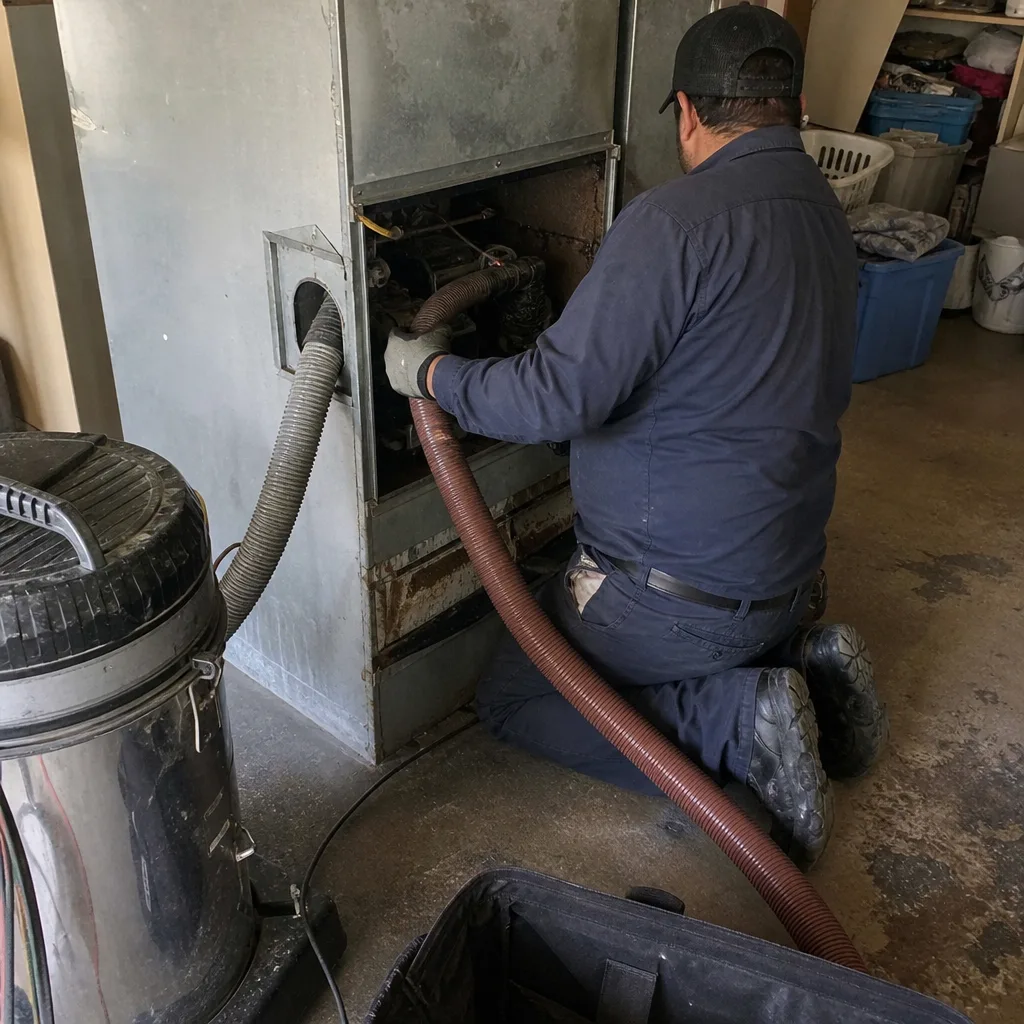
Purpose-built duct cleaning systems are a different classification entirely. Rotobrush, for instance, is engineered specifically for the interior geometry of ductwork. The rotating brush head scrubs all four interior surfaces simultaneously while a dedicated vacuum captures the debris at the point of contact. The benefit is that contaminants are removed and contained, not knocked loose and left to circulate. Nikro equipment follows a similar philosophy, with industrial-grade motors and filtration designed for continuous use inside occupied structures. Both names appear in commercial and industrial air-quality settings, which gives you a useful benchmark: if a Lancaster Air Duct Cleaning company runs the same platform a facility manager demands for a hospital or a cleanroom, you’re dealing with a different service tier than the carpet-cleaner-with-a-vacuum operator.
Abatement Technologies equipment goes a step further into containment. These are the same tools used in mold remediation and asbestos abatement, where negative-air pressure machines and HEPA-filtered exhaust prevent contaminants from escaping the work area. When a duct cleaning company integrates this equipment into their process, it signals a commitment to the full air-quality sequence, not just the cosmetic result.
You don’t need to become an equipment expert, but you do need to ask one specific question before booking: “What equipment do your technicians use, and may I see it when they arrive?” A company that answers with specific model categories, or better yet brand names, is a company that has invested in its capability. A company that describes vague “professional tools” without naming a system is a red flag. In Lancaster specifically, where the dust is fine, the duct runs can be long, and the summer air runs through your system for months at a time, this equipment conversation is the fastest filter for quality.
For context on what a full equipment-driven cleaning actually looks like in practice, see our detailed breakdown at Air Duct Cleaning in Acton.
NADCA Certification: The Closest Thing to a Real Credential
If equipment is the hardware signal, NADCA certification is the closest thing the duct cleaning industry has to a software standard. NADCA, the National Air Duct Cleaners Association, sets a published standard for HVAC system cleaning. It specifies minimum requirements for everything from source-removal methodology to equipment maintenance to post-cleaning verification. A company that advertises NADCA membership has agreed to perform to a negotiated technical standard, not just a marketing promise.
Here’s what NADCA certification actually requires, and what it obligates a company to do during a service visit:
- Source removal, not filter blowing. NADCA’s standard specifies that cleaning debris must be extracted from the system, not pushed through it. That means the vacuum must be attached to create negative pressure while agitation tools physically dislodge the contamination. Simply blowing compressed air into the ducts, a common shortcut, is a violation of the standard.
- System-wide scope. A NADCA-compliant cleaning addresses the entire air conveyance system: supply and return ducts, registers, grilles, coils, drain pans, fans, and the air handler. A company that cleans only what’s visible from the register is not meeting the standard.
- Containment procedures. The standard requires that the work area be protected from released debris. This includes sealing off supply and return openings and operating negative-air equipment during the cleaning process. If a technician simply opens your vents and starts vacuuming, he’s not performing NADCA-grade work.
- Verification and documentation. NADCA expects the company to demonstrate the result. That means before-and-after photos, or in some cases video inspection through the ducts, showing that the cleaning goal was achieved.
You can verify a company’s NADCA membership and certification status directly through the association’s public directory. It takes about 90 seconds and it eliminates a large class of operators. It’s worth doing. In Lancaster, where duct cleaning is unregulated at the municipal level, third-party certification is the most meaningful quality signal available to a homeowner.
One nuance: NADCA certifies individuals and companies, and the distinction matters. A company may claim the certification because one technician on staff once passed the exam. Ask whether the technician who will actually arrive at your house holds an active Air Systems Cleaning Specialist (ASCS) certification. If the answer is yes, you’re talking to a serious operator. If the answer is vague or defensive, keep looking.
The Independent Specialist Advantage in Lancaster
There’s a reasonable assumption that bigger brand equals more reliable service. In duct cleaning, that assumption often runs in reverse. An independent duct specialist in Lancaster operates with a set of incentives that a national franchise simply can’t replicate, and those incentives align directly with the outcomes you care about.
The first advantage is accountability to local reputation. An independent operator’s entire book of business is built on word of mouth in Lancaster, Palmdale, Quartz Hill, and the surrounding Antelope Valley. If that operator does a poor job, the consequence is immediate and personal: the next client doesn’t call. A franchise location, by contrast, can survive on national brand recognition and paid search traffic even when its local service quality is mediocre. The brand equity does the heavy lifting, and poor local execution takes longer to catch up to the operator.
The second advantage is adaptation to local conditions. Lancaster’s high-desert climate creates a very specific contaminant profile. The dust is fine and alkaline. The temperature swings are dramatic. Homes cycle between air conditioning for long stretches and then a brief but intense heating period. These conditions produce a type of packed, mineral-heavy deposit in ducts that responds differently to agitation and extraction than the organic, fibrous dust common in humid climates. A local specialist with years of Lancaster-specific experience learns these patterns through repeated exposure. A franchise technician following a national protocol may be seeing Lancaster duct conditions for the first time.
The third advantage is equipment investment decisions made locally. A franchise owner is incentivized to minimize equipment cost because the parent company already provides the brand. An independent specialist has to differentiate on actual capability, which means the equipment is the brand. That’s why serious independents in the Antelope Valley operate Rotobrush and Nikro platforms: they know that’s the only defensible position against a franchise’s marketing budget.
None of this means every independent is good, of course. It means the best duct cleaning in Lancaster is more likely to come from a local operator with specialized equipment and verified credentials than from a national name with a standardized playbook. For deeper reading, see The Complete Air Duct Cleaning Guide for Lancaster Homeowners. The evaluation framework in this guide gives you the tools to identify that operator.
Our guide to Dryer Vent Cleaning in Acton is another example of how a local specialist’s scope extends beyond what franchise duct cleaners typically offer.
Repair Capability: The Differentiator Most Buyers Overlook
You hire a duct cleaning company because your system is dirty. But what happens when the cleaning reveals a problem the dirt was hiding? Every experienced duct technician in Lancaster has seen it: a duct run that’s partially collapsed, a joint that’s separated, a section of flexible duct that’s been crushed by a previous tradesman or a rodent. The dust and debris are often the symptom of a structural problem, not the problem itself. If the company you hired only knows how to clean, the visit ends with bad news and a referral to someone else. If the company can repair, the visit ends with the problem solved.
This repair capability is the clearest tier divider in the duct services industry. It separates companies that offer a single procedure from companies that can actually diagnose and resolve a full range of duct-system issues. Here’s the practical difference:
- Cleaning-only company: Arrives, sets up equipment, removes loose debris, packs up, leaves. If a duct section is disconnected or torn, the cleaning either misses it or stirs up more contaminants. The homeowner receives a report that another contractor must be hired for the repair.
- Full-scope duct specialist: Arrives, conducts a system inspection, notes not just contamination levels but the condition of duct runs, connections, and supports. During the cleaning, if a problem is found, the specialist can address it on the spot or schedule the repair with the same team, on the same account, without a second learning curve.
This distinction matters more than most buyers realize until they’re in the middle of a job. Hiring a company that can’t repair is like hiring a mechanic who can diagnose but not fix. You’re paying for half a service and setting yourself up for a second scheduling process, a second intake call, and a second unknown truck in your driveway.
In a market like Lancaster, where many homes are older and have seen multiple renovation cycles, duct damage is common. The high-desert sun also degrades flexible duct material faster than coastal environments. A specialist who opens the access panel and knows what Lancaster duct systems look like after 15 or 20 years of service is operating from a real knowledge base. The repair capability is not a bonus feature. It’s a core part of what “cleaning the duct system” should mean.
To understand how repair integrates with a full cleaning scope, read Air Duct Repair in Acton.
The Lancaster Vendor Evaluation Scorecard
By this point, you have a clearer picture of what separates a real duct cleaning operator from a brand shell. Now you need a way to organize that information when you’re on the phone with three companies and trying to make a decision. Here’s a scorecard we recommend for Lancaster homeowners. It weighs the factors in order of how strongly they predict service quality.
1. Equipment type and brand (35% of your decision). Ask: “What system do your technicians use for agitation and extraction? What do you use for containment?” Good answers: Rotobrush, Nikro, Abatement Technologies, negative-air machines, HEPA filtration. Weak answers: “commercial vacuum,” “special brushes,” “our own proven system.” If the company will not name its equipment, score it zero. The equipment is the service.
2. Certification status (25%). Ask: “Is the technician who will arrive NADCA-certified? May I have the certification number?” Verify it through NADCA’s directory. A yes with a number that checks out is worth full points. A company-level certification claim without a technician-level check gets half. No certification claim gets zero.
3. Written scope of work (20%). Ask: “Will you provide a written scope that lists exactly which components will be cleaned, the method you’ll use, and the expected time?” A company that puts the scope in writing is bound to it. A company that refuses is protecting itself from accountability. This is non-negotiable for a job that costs several hundred dollars.
4. Documentation method (10%). Ask: “Do you provide before-and-after photos or video of the interior of my ducts?” This is the verification step. If a company cleans your ducts and cannot show you what the interior looked like before and after, you have no way to know the work was done at all. In Lancaster, where we perform work in homes with complex duct layouts, the photo documentation is the only reason a homeowner can sleep well after the job.
5. Repair capability (10%). Ask: “If you find a disconnected or damaged duct during the cleaning, can you repair it on the spot, or will I need another contractor?” This one question identifies whether you’re hiring a specialist or a one-trick operator.
Price is not on this scorecard, and for good reason. If you weight price heavily, you’ll systematically push yourself toward the consumer-equipment, uncertified, no-documentation operators. That’s a rational response to a confusing market, but it isn’t a good one. A duct cleaning in Lancaster that costs $299 is not the same product as one that costs $499. The cheaper one very likely didn’t clean the same things, didn’t use the same equipment, and didn’t document anything. Weight the scorecard, then use price only as a tiebreaker among companies that score similarly.
Common Mistakes to Avoid
- Choosing by coupon or teaser price. The duct cleaning industry has a documented pattern of lowball offers that turn into upsell invoices once the technician arrives. In Lancaster, a “whole-house special” that sounds too cheap almost always is. Ask for a flat, system-level price before you book, not a per-vent figure that can multiply.
- Assuming a national brand means standardized quality. Franchise locations operate with a wide variance in equipment and training. The brand is the marketing asset, not the service standard. Judge the local location, not the logo.
- Skipping the equipment question entirely. Most homeowners never ask what system will be used on their ducts. That’s a free question with enormous predictive power. Ask it.
- Not verifying certification claims. Anyone can write “certified” on a website. The NADCA directory is public, searchable, and takes less time than reading reviews. Verify before you book.
- Accepting a cleaning without before-and-after documentation. If the company cannot show you the interior of the duct before and after the job, the work is unverifiable. This is the most common buyer’s remorse trigger in the industry.
- Hiring a cleaner for a repair problem. If you already know or suspect your ducts are damaged, hiring a cleaning-only company means paying for a trip that ends with a referral. Hire the full-scope specialist from the start.
- Overweighting online review scores with no other verification. Review platforms are useful signals but they’re gameable and they don’t tell you anything about equipment or certification. Use reviews as a filter, not a final answer.
When to Call a Professional
Duct cleaning is not a maintenance task you can meaningfully perform yourself with a household vacuum and a vent brush. The interior surfaces of your duct system are kilometers of sealed geometry. To clean them, a technician must establish negative air pressure to contain debris, use mechanical agitation to dislodge contamination, and document the result with interior photos. If you have visible dust blowing from your registers, unexplained allergy symptoms that worsen at home, a rodent or insect intrusion in the ductwork, or a renovation that recently filled your home with drywall dust and debris, the system likely needs professional attention. If you suspect a duct has separated or collapsed, you need a specialist who can inspect and repair, not just clean. Duct Cleaning Lancaster offers free estimates in Lancaster, call (833) 589-9773 to schedule an inspection.
Frequently Asked Questions
Expect to pay between $350 and $650 for a complete system cleaning in a typical Lancaster home, depending on the number of systems, the accessibility of the ductwork, and the level of contamination. Whole-system flat pricing in that range, agreed before work begins, is a sign of an honest operator. Per-vent pricing invites padding. Call (833) 589-9773 for a free estimate with a written scope for your specific home.
The low quotes almost always come from operators using consumer-grade or repurposed equipment, skipping containment and documentation, and paying technicians on commission to upsell once they’re in the house. The lower price is a customer-acquisition cost, not a measure of the service. A true whole-system clean with industrial equipment and NADCA methods has a real cost floor, and no legitimate company can operate below it.
Require before-and-after photographic or video documentation of the interior of your ducts. A company using professional inspection cameras can show you the condition of the duct walls and the air handler before cleaning and after. This is the only way for a homeowner to verify the work independently. If a company cannot or will not provide this documentation, do not book the job. Ask for it at the estimate stage by calling (833) 589-9773.
For most Lancaster homes, every three to five years is a reasonable interval, more frequently if you have pets that shed heavily, recent renovation work, a history of smokers in the home, or a resident with severe allergies or respiratory conditions. The desert climate contributes fine airborne particulate that accumulates quickly, but an annual cleaning is usually unnecessary unless a specific condition has changed. A good technician will tell you if your system doesn’t need cleaning yet.
NADCA is the National Air Duct Cleaners Association, the closest thing the industry has to a recognized technical standards body. Its published standard specifies source-removal methodology, system-wide scope, containment procedures, and documentation requirements. A NADCA-certified technician has passed an exam covering these standards and must maintain continuing education credits. You can verify certification through NADCA’s public directory before booking.
Not all of them. Some companies are cleaning-only, which means they’ll identify damage but refer you to another contractor. A full-scope duct specialist can diagnose and repair damaged, disconnected, or crushed duct sections as part of the same engagement, closing the loop on air quality problems rather than just identifying them. If you suspect structural issues, ask about repair capability before you book. Call (833) 589-9773 to talk through what your system may need.
The Bottom Line
Choosing a duct cleaning company in Lancaster is a decision about equipment, certification, documentation, and repair scope, not about brand recognition. For more guides & resources on protecting your home’s air quality, explore our blog. The name on the van is the weakest signal in the entire evaluation. When you select a company that runs Rotobrush or Nikro equipment, employs NADCA-certified technicians, provides written scopes and before-and-after documentation, and can repair what it finds, you are buying an engineered clean. When you select based on a coupon or a familiar logo, you are gambling. Lancaster homeowners who treat indoor air quality as a health and safety priority are better served by asking the equipment question and verifying the credentials than by trusting the franchise sign.
If you’re ready for a full-scope evaluation of your duct system, call Duct Cleaning Lancaster at (833) 589-9773 for a free estimate. We’ll walk you through what your system actually needs, in writing, before any work begins.
Written by the team at Duct Cleaning Lancaster, serving Lancaster since 2014.
See the difference
 Before
 After
 Before
 After
 Before
 After