
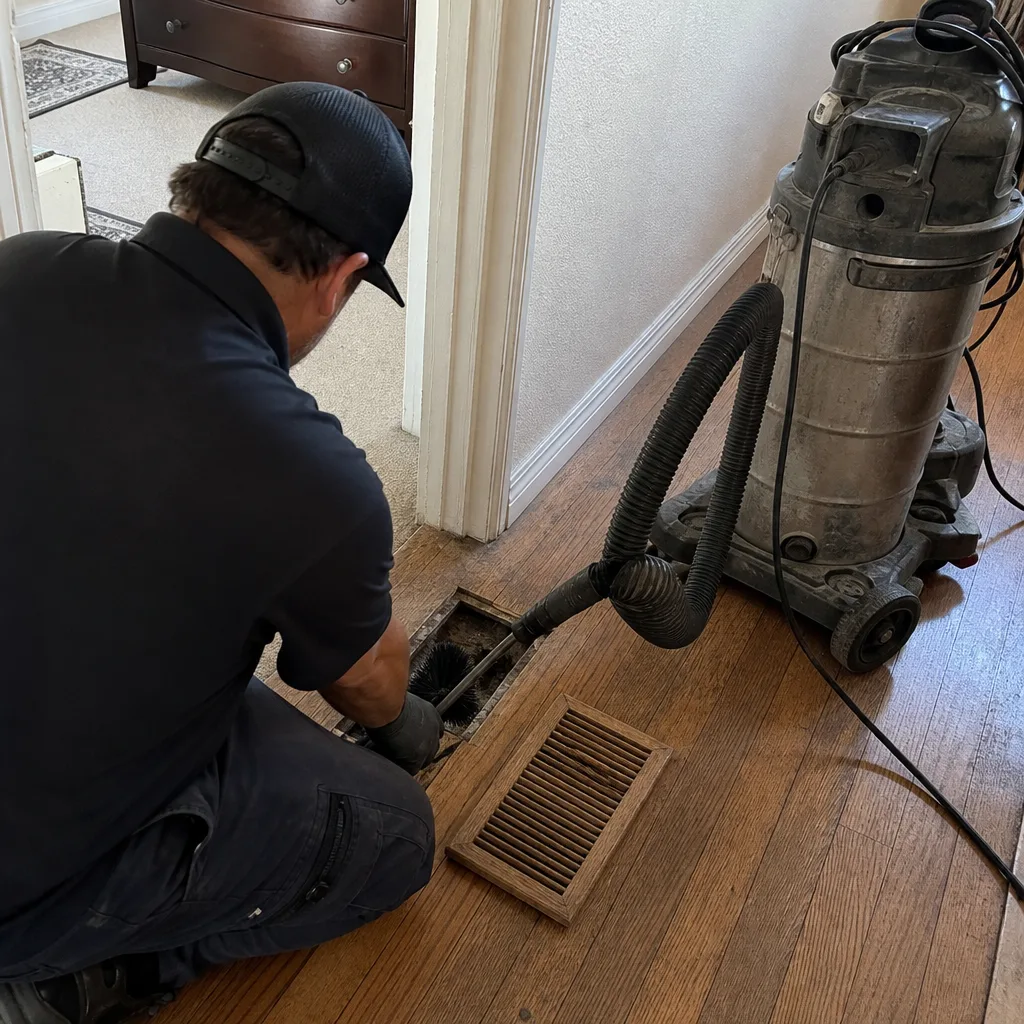
Last updated November 2, 2026
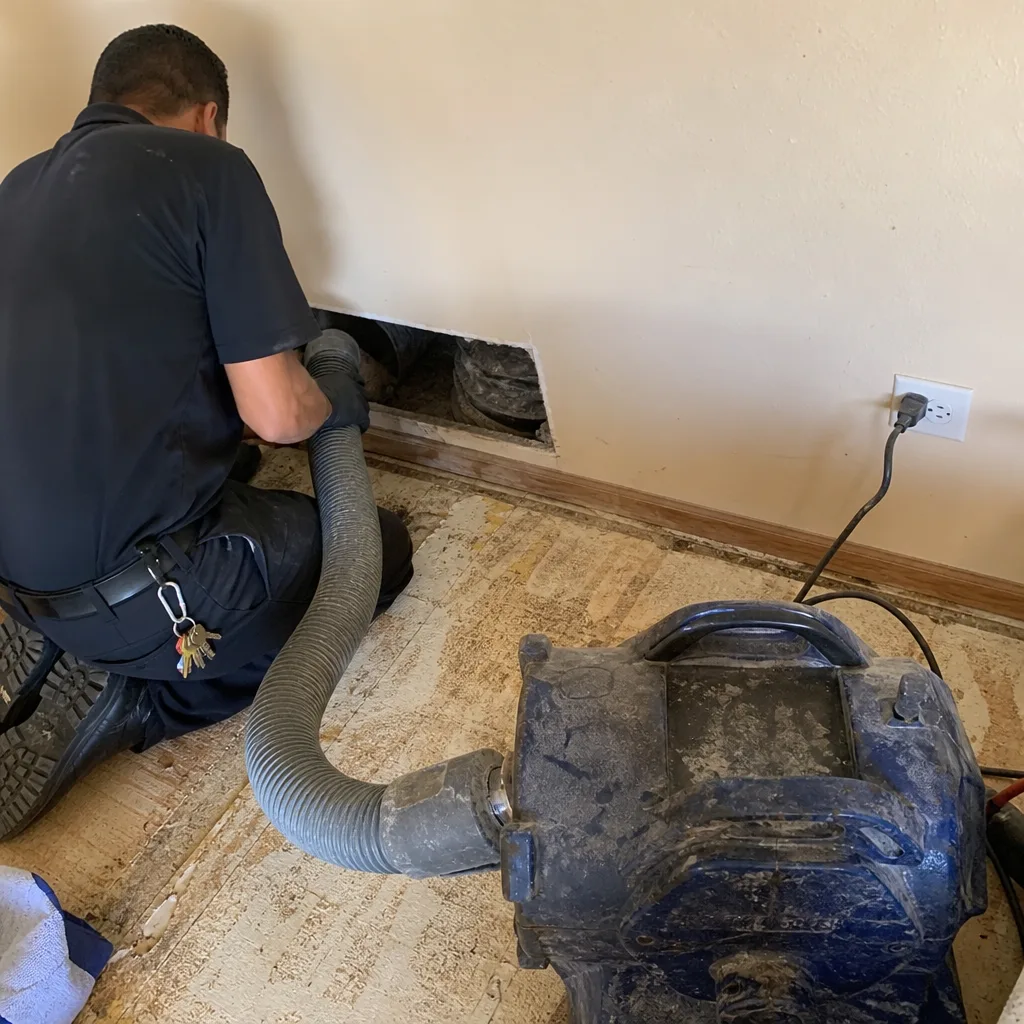
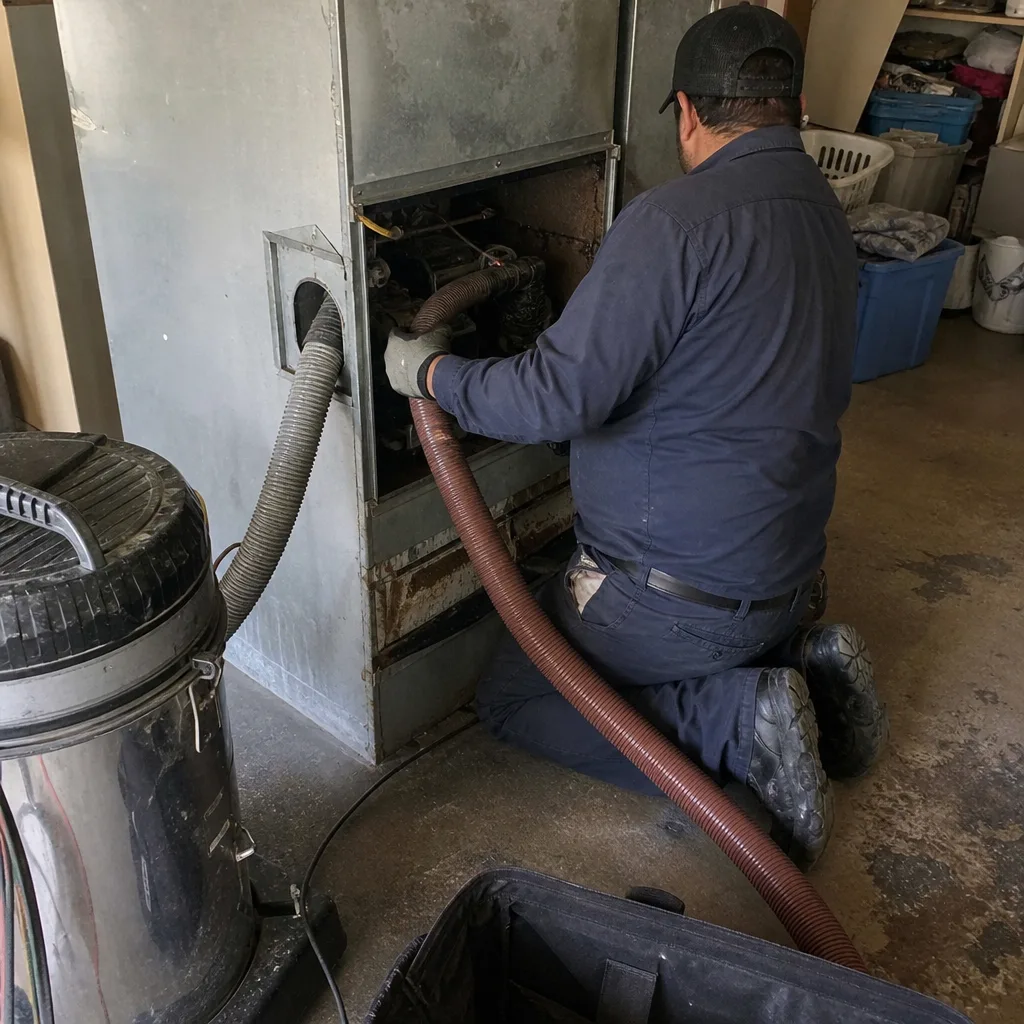
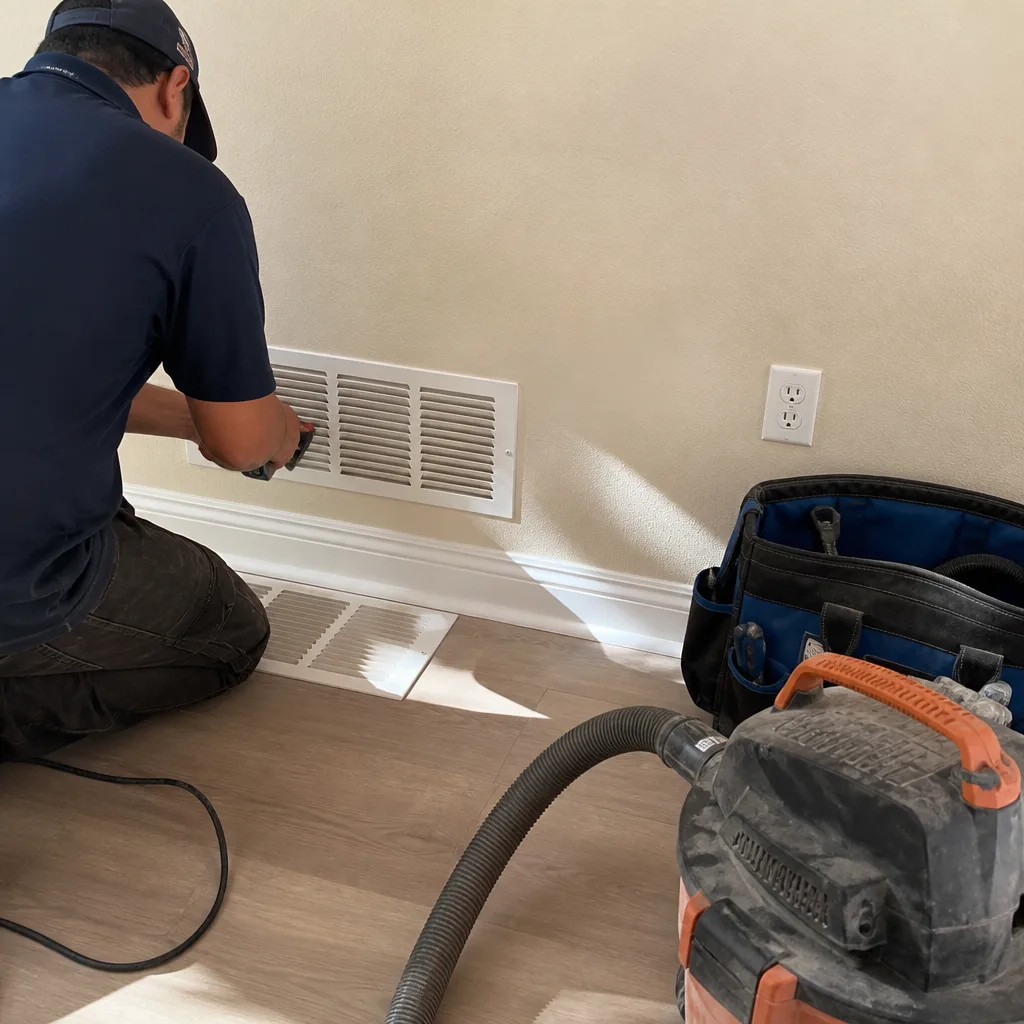
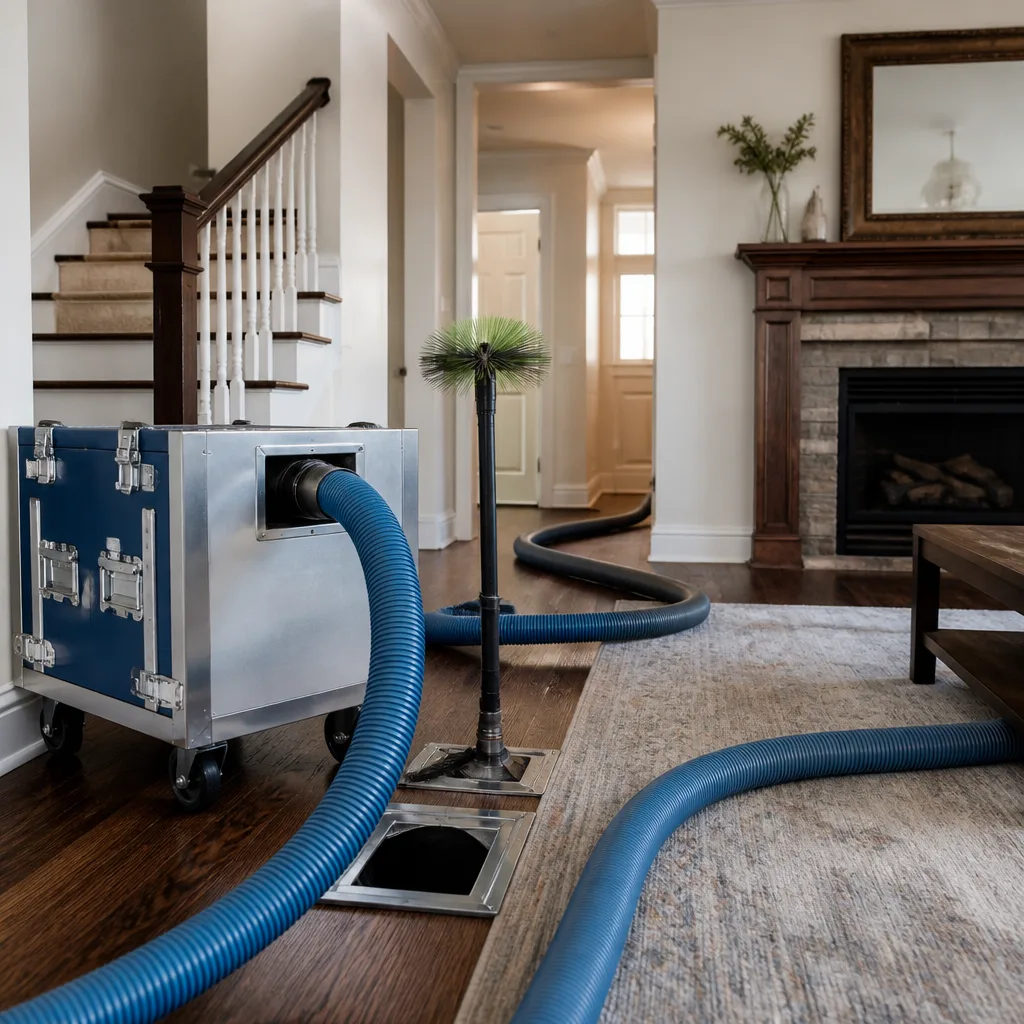 Whole-home duct cleaning
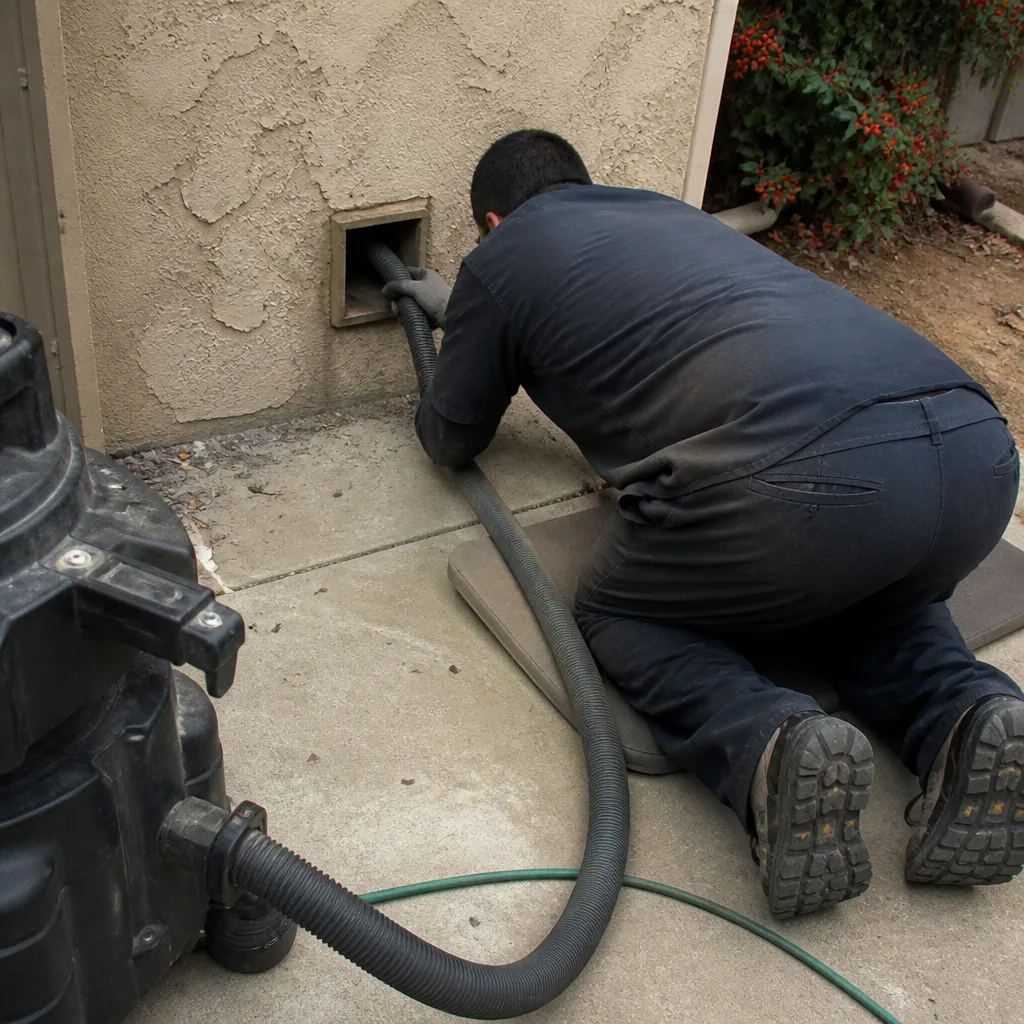
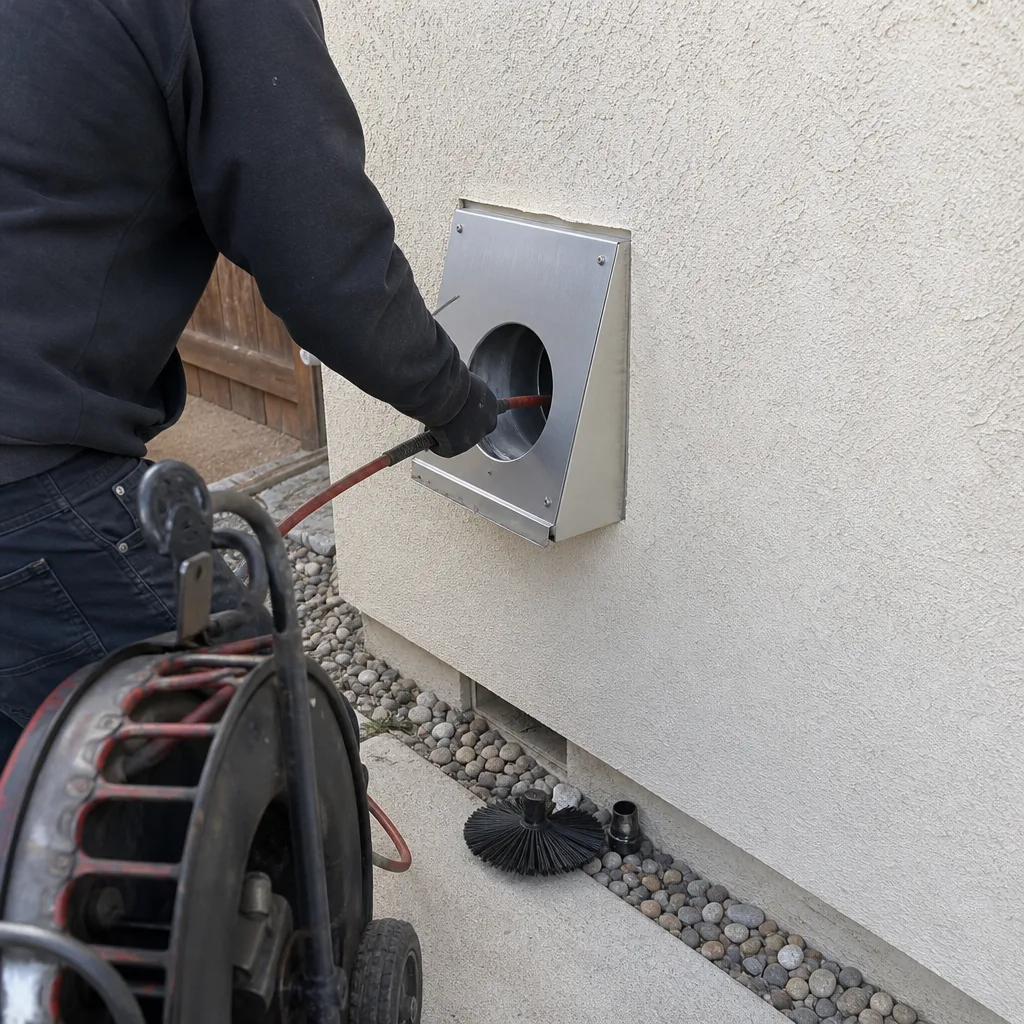
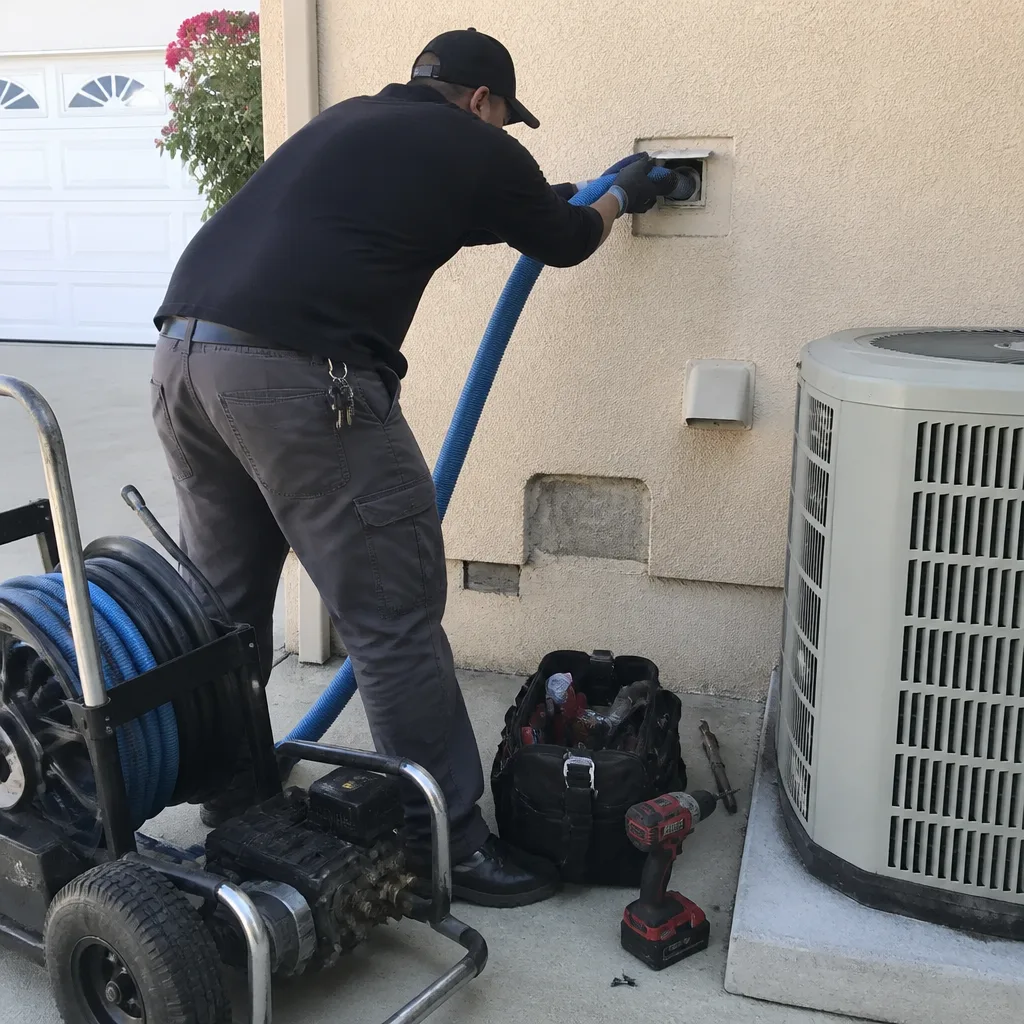
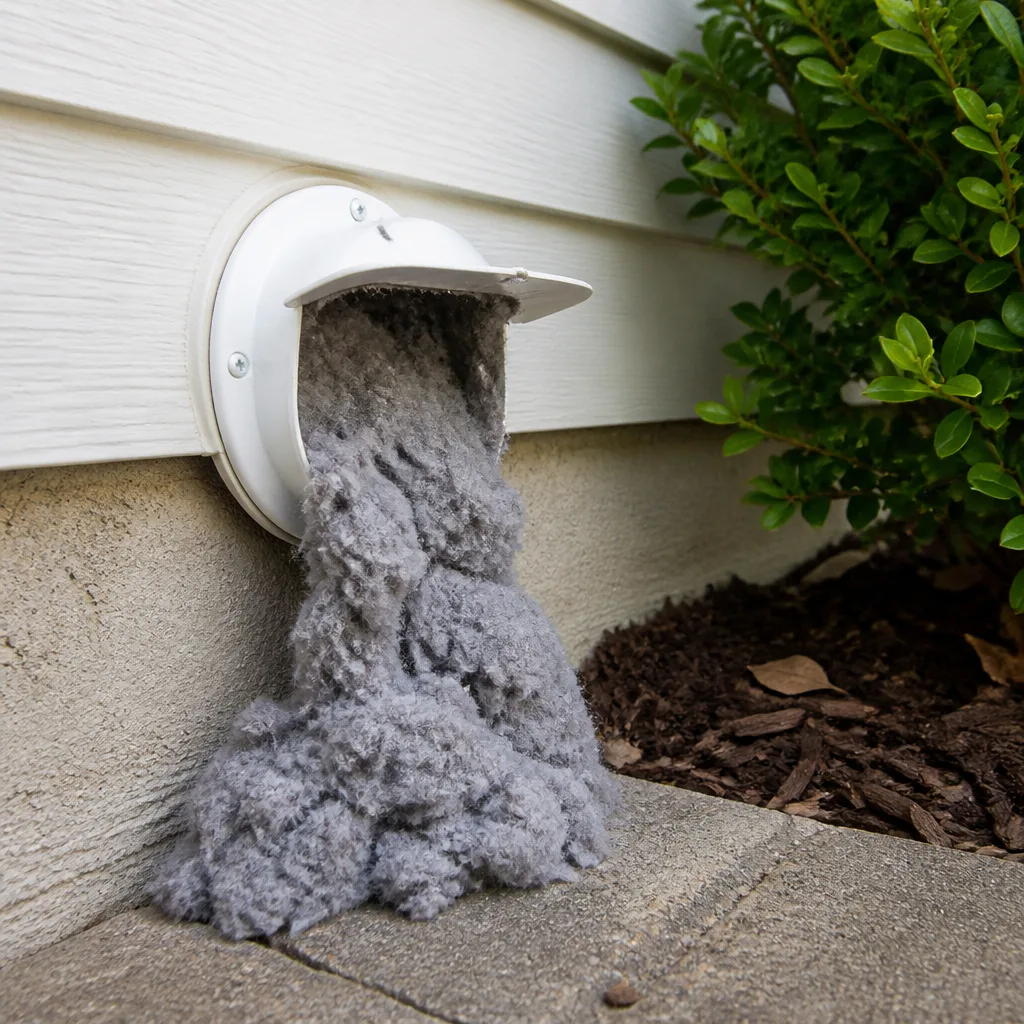 Dryer vent cleaning
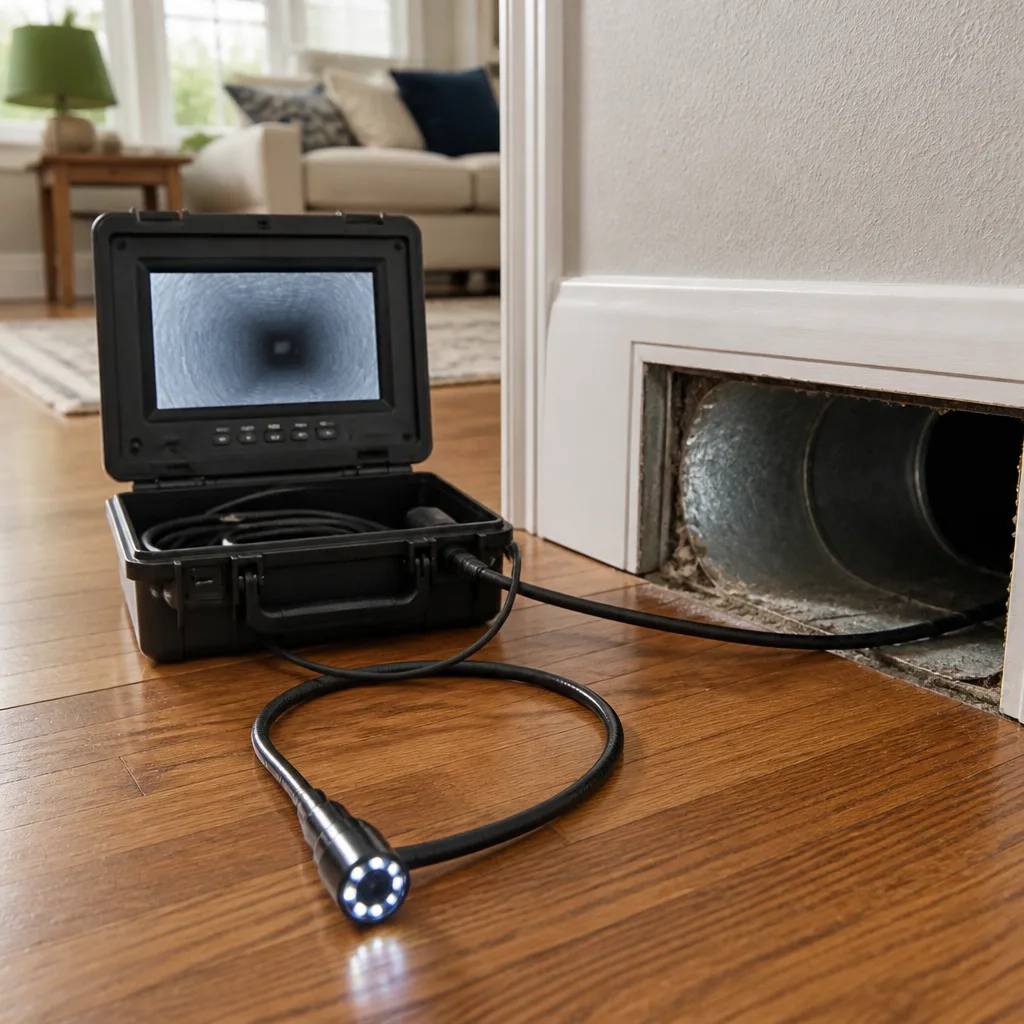 Camera inspection
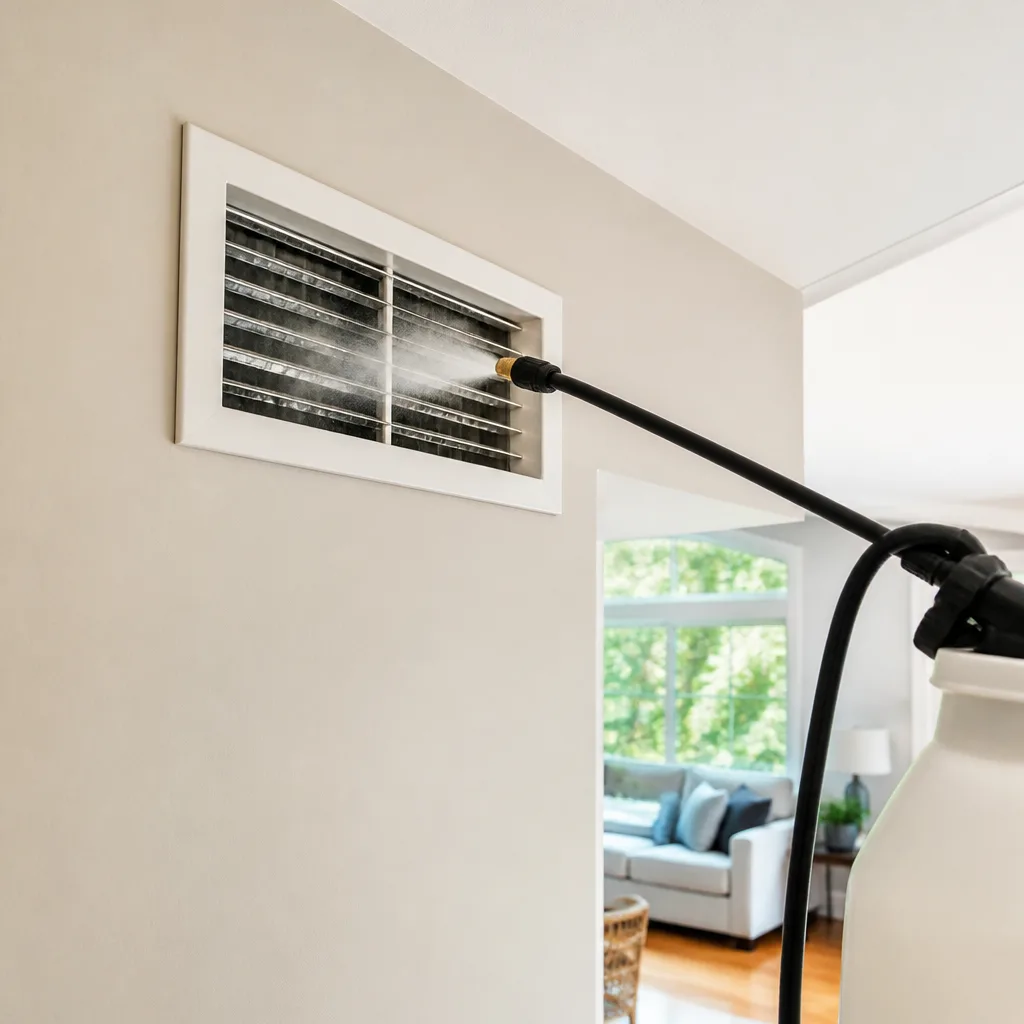 Sanitizing & deodorizing
Whole-system duct and dryer vent check with before-and-after photos - you see exactly what came out of your vents
That "$99 whole-house special" is a bait ad - the real number appears once they are in your hallway, or the "clean" is a shop-vac at the register. We photograph the inside of your ducts before and after instead.
Air Duct Cleaning Troubleshooting: Common Problems and How to Fix Them
If rooms in your Lancaster home stay stuffy or dusty after a professional duct cleaning, the cleaning itself isn’t the problem. It’s that nobody checked whether your ducts are physically intact enough to deliver conditioned air in the first place. In our experience, about two-thirds of “cleaning failed” calls trace back to a mechanical issue hiding behind the vent, not dirt. This guide – along with our Air Duct Cleaning Warning Signs: A Lancaster Homeowner’s Reference Guide – walks you through the diagnostic process our technicians use in Lancaster, CA every week. By the end, you’ll know the difference between a dirty duct, a broken duct, and a duct that was never installed right.
Styles & brands we work with
- Whole-home duct cleaning
- Dryer vent cleaning
- Camera inspection
- Sanitizing & deodorizing
Quick Answer
Duct-related problems are almost never caused by dirty air alone. Persistent dust, uneven temperatures, musty smells, high energy bills, and recurring allergy symptoms after a cleaning usually point to underlying mechanical failures, specifically collapsed flex duct, disconnected joints, leaking returns, or a dirty evaporator coil. Identify the root cause before spending another dollar on cleaning, and you’ll know whether you need a repair, a re-route, or a targeted clean.
Table of Contents
- Persistent Dust After Cleaning
- Uneven Room Temperatures
- Musty Odor That Won’t Go Away
- High Energy Bills Despite Regular Cleaning
- Recurring Allergy Symptoms
- Disconnected Return Ducts and Attic Air
- Collapsed or Kinked Flex Duct Identification
- Cleaning vs. Repair vs. Replacement: The Decision Criteria
- Common Mistakes to Avoid
- When to Call a Professional
- Frequently Asked Questions
- The Bottom Line
Persistent Dust After Cleaning
The most common complaint we hear in Lancaster goes something like this: “I paid for duct cleaning, and two weeks later my furniture looks the same.” The first question a technician should ask is not “was the cleaning thorough?” but “where is the dust actually coming from?”
Here’s the diagnostic decision tree we use on every call like this:
- Check the return air path. If the return duct pulls from an unconditioned attic or crawlspace, and that return has even a small gap at a joint, it’s ingesting dust 24/7. No cleaning can keep up with that. The fix is sealing or reconnecting the return, not another cleaning.
- Inspect the filter housing and bypass gaps. A filter that doesn’t seal its slot lets unfiltered air slip around the edges. In Lancaster’s high-desert summer, that’s a constant stream of fine particulate stacking up on every surface.
- Look for disconnected supply branches. A flex run that has pulled away from its boot dumps conditioned air into the attic or crawlspace instead of the room. The system compensates by running longer, pulling more air through the return, and dragging in more dust.
- Check interior sources. This is the one people forget. If you have a down-filled comforter, a shedding pet, or unsealed crawlspace vents, the duct system is just one dust contributor among several.
What separates a real fix from a repeat visit is finding which of those four is actually active. A Rotobrush system will clean duct walls thoroughly, but it cannot repair a gap in a return plenum. That’s a repair, not a cleaning. We tell Lancaster homeowners this directly: if your ducts were cleaned properly and dust returned fast, the problem is mechanical until proven otherwise.
Uneven Room Temperatures
A room that runs five degrees warmer than the rest of the house is not usually a thermostat problem. It’s an airflow problem. Before you adjust dampers or add a booster fan, here’s what to check, in order:
- Feel the airflow at the vent. Hold a tissue or a strip of paper at the supply register. It should lift noticeably. If it barely moves in one room but flaps strongly in another, you’ve found your problem zone.
- Trace the duct if accessible. In many Lancaster homes, flex duct runs through the attic. A kinked or collapsed section acts like a pinched garden hose: full pressure upstream, a trickle downstream.
- Check the damper positions. Some systems have manual balancing dampers near the plenum. One damper closed too far can starve an entire branch. This is a two-minute fix if you can reach it.
- Measure the temperature difference between rooms. A consistent 8 to 10 degree gap between a well-served room and a problem room strongly suggests a disconnected or crushed duct, not a balancing issue.
In the high desert, this problem gets worse every summer. A duct system delivering unevenly means your AC works harder to cool the warmest room, the rest of the house overcools, and your energy bill climbs. From what we see in Lancaster attics, the most common culprits are flex runs crushed by boxes or duct straps cinched too tight during installation. Both are mechanical issues, not cleaning issues.
Musty Odor That Won’t Go Away
Here’s the thing about musty smells: if a duct cleaning didn’t remove the odor, the odor probably was never in the duct walls. In our experience, the source of stubborn musty smell in almost every case sits at the evaporator coil or the drain pan underneath it. Here’s why.
Your AC coil runs cold in the summer. Moisture condenses on it constantly. That moisture is supposed to drip into the drain pan and flow away. But when the pan is clogged, cracked, or tilted, water pools. Standing water plus dark, warm air-conditioned space equals mold and mildew growth within weeks. The air passing over that coil picks up the odor and carries it through every supply duct in the house, making it smell like the ducts themselves are moldy.
What most people do: call for another duct cleaning. What actually helps: a coil and drain pan inspection, a proper cleaning with a microbial treatment rated for the coil, and a check of the drain line slope. You can sometimes confirm this yourself by running the fan without the compressor for ten minutes. If the smell fades, the coil is likely the source. If it stays constant, you’re back to the ducts and their mechanical condition.
While we’re on the subject, a familiarity with Honeywell and Aprilaire filtration systems helps here too. A good media filter or whole-home air cleaner can reduce the microbial load on the coil itself, but it won’t fix a pan holding an inch of stagnant water. That’s a mechanical repair.
High Energy Bills Despite Regular Cleaning
If you’ve cleaned your ducts and your summer electric bill still looks like a car payment, don’t blame the ducts. Blame the leaks in them. Here’s the physics: your system moves a fixed volume of air. If 20% of that air is escaping into the attic through disconnected joints or torn flex, the system runs longer to satisfy the thermostat. Longer runtime means higher bills, regardless of how pristine the duct interiors are.
What to look for:
- Hot spots on ceiling drywall near supply vents. In Lancaster summers, an attic-roofed home can reach 140°F. If conditioned air leaks at a boot connection, that heat soaks the surrounding drywall and radiates into the room.
- Rooms that never reach setpoint. A branch that’s disconnected delivers only a fraction of its intended air. The thermostat keeps calling for more, and the rest of the house overcools while the problem room stays warm.
- Visible condensation near vents. Cold air leaking from a supply boot can cause moisture to condense on nearby framing. This is both an efficiency problem and a mold risk.
- Surging electric usage in shoulder seasons. If your bill spikes in April and October, when temps are mild and the system shouldn’t work hard, a return-side leak is a prime suspect. The blower runs, but much of the “delivered” air never reaches the living space.
Once a leak is confirmed, the fix is sealing and reconnection. The right repair, done with a proper sealant and mechanical fasteners, can drop your cooling costs measurably. This is the “engineered clean” approach: you fix the system’s integrity first, then clean what remains.
Recurring Allergy Symptoms
If allergies persist after duct cleaning, the next question is not “are the ducts clean?” It’s “what is the HVAC system continuously adding?” In Lancaster’s high-desert climate, we deal with two main allergens year-round: fine wind-blown dust and all the stuff that blooms after a rare rain. If the duct system is mechanically intact, a proper cleaning removes settled allergens. But if the system has a return leak, it never stops importing more.
Here’s the sequence to run through:
- Rule out the filter. A 1-inch fiberglass panel catches big dust but passes pollen and fine particulate. That’s straightforward to upgrade. A 4-inch media filter in a properly sealed housing makes a measurable difference.
- Check the return-side air paths. Any gap, cracked plenum, or dry-fitting filter slot pulls attic or crawlspace air into circulation. In many Lancaster attics, that air is loaded with dust, insulation fibers, and allergens.
- Consider the coil. A coil coated in biofilm can harbor microbial allergens. We covered this above in the musty odor section. Same root cause, different symptom.
- Measure the pressure. If you have access to a manometer or a tech does a static pressure check, high negative pressure on the return side can indicate restriction. A dirty coil, an undersized return, or a collapsed flex section all create this.
We’ve resolved allergy complaints in Lancaster homes with nothing more than sealing a disconnected return and changing the filter type. The ducts were clean. The system was not. The distinction matters.
Disconnected Return Ducts and Attic Air
A disconnected return duct is the single most damaging mechanical fault a home can have, and most homeowners never know it exists. Here’s what it actually does.
Your return is the path air takes back to the blower. If it’s connected properly, it pulls from the living space, runs through the filter, and returns to the coil clean. If a joint pulls apart in the attic or crawlspace, the return starts pulling from the attic or crawlspace directly. That means unfiltered air, insulation fibers, dust, rodent droppings, and whatever else lives up there enter your HVAC system continuously. Every cycle reprocesses it and pushes it through every supply vent.
Here’s how to detect it without crawling through the attic:
- Run the fan continuously for 30 minutes, then smell the return vent. If you catch attic or crawlspace smell coming from the return grille, that air wasn’t inside the living space a moment ago.
- Hold a tissue near the return grille with the fan running. It should pull in steadily. Now close all bedroom doors. If the pull weakens dramatically, the return path is restricted or partly disconnected, and the system is starving for air.
- Watch dust accumulation rates. A disconnected return adds dust to the house much faster than any normal household activity. If surfaces need dusting every two or three days, suspect a return leak.
- Check for temperature oddities near ceiling returns. In summer, a return leak in a hot attic pulls 130°F air into the system. That air never gets fully cooled before it recirculates, so rooms with supply vents get a warm, stuffy draft.
When we repair a disconnected return, the difference is usually immediate. Rooms cool faster. The house smells neutral. Dust accumulation drops. No cleaning-only company can produce that outcome, because the problem was never dirt.
Collapsed or Kinked Flex Duct Identification
Flex duct is the most common duct material in Southern California homes, and it fails in predictable ways. In Lancaster, where attic temperatures regularly exceed 120°F for months, the outer jacket degrades, the inner liner sags, and runs collapse under their own weight. Here’s how to identify a collapsed or kinked section without pulling ceiling panels.
The symptoms follow a pattern:
- The problem room is farthest from the air handler. A crushed run near the end of a branch line starves one room while others get full airflow.
- The airflow problem appeared gradually. Collapse is slow. You notice the room getting warmer over weeks or months, not overnight.
- The vent makes a whistling sound with the fan on. A partially collapsed duct creates high velocity at the restriction point, which you can hear as a whistle at the register.
- Other rooms seem to get too much air. When one branch is crushed, the system’s air takes the path of least resistance, so other rooms end up with more flow than designed.
- There is visible dust or debris buildup on the duct walls or register covers.
- The home has had recent renovations and the ducts were exposed during construction.
- There’s a known history of pet dander, smoking, or persistent dust without any mechanical fault.
- The system is otherwise intact but hasn’t been cleaned in five or more years.
- There’s a disconnected joint, a torn flex section, or a collapsed run.
- A return is pulling unconditioned air from the attic or crawlspace.
- The airflow is uneven in a pattern that matches physical blockage, not dirt.
- The duct system was damaged by rodents, especially in attic areas.
- The flex liner has degraded from heat exposure and collapses under minimal pressure.
- Metal duct has rusted through or separated at welded seams.
- Multiple sections in the same branch line have failed and patching would cost more than replacing the run.
- The existing duct is undersized for the system’s CFM requirements and will never deliver proper airflow regardless of repair.
- Cleaning ducts before checking for leaks. If the system is mechanically compromised, cleaning is wasted effort. The contamination comes right back through the same gaps. Diagnose first, clean second.
- Assuming a dirty filter means dirty ducts. A clogged filter usually means the filter is doing its job and needs replacement more often. It tells you nothing about duct wall condition.
- Ignoring the evaporator coil. If you smell mustiness and the ducts were cleaned recently, the coil and drain pan are the next stop. Many Lancaster AC systems run hard all summer, and coil biofilm is common.
- Treating all rooms as one system. A duct system is a network of branches. One room that stays hot while others are fine is a branch-specific problem, not a whole-house problem.
- Patching flex duct with duct tape. Standard duct tape fails in attic heat within a year or two. Proper repair uses mastic or UL-listed foil tape with mechanical support. The cheap fix almost always fails.
- Replacing equipment without checking the ducts. A new high-efficiency AC on a leaky, collapsed duct system won’t deliver rated performance. The ducts are part of the system, not an afterthought.
- Assuming one cleaning solves everything forever. Ducts are not a sealed box. They’re a dynamic system that degrades, leaks, and recollects. Regular inspection is the only way to catch failures before they become expensive.
If you can access the attic, look for flex runs that sag between supports, especially where the inner liner is visible through a torn outer jacket. If you can’t access it, the symptom pattern alone is enough to justify a diagnostic visit.
Here’s the threshold question: is this a repair or a replacement? A single kinked section can often be re-supported or cut and reconnected with a coupling. A collapsed run with a degraded liner needs replacement. The distinction matters because replacing a run is more work, and you want to know before work starts, not after. We use the same approach in Lancaster: identify the exact failure, then price the fix precisely. No guesswork, no vague “we’ll see what we find” estimates.
Cleaning vs. Repair vs. Replacement: The Decision Criteria
Most homeowners don’t know you have options. They think “duct work” means Air Duct Cleaning. But a duct system has two components: the interior surfaces that hold dirt, and the physical structure that carries air. Cleaning addresses the first. Repair and replacement address the second. Here’s how to decide which one your system needs.
You need cleaning if:
You need repair if:
You need partial replacement if:
The key takeaway: cleaning is for contamination, repair is for disconnection, replacement is for degradation. Most homes in Lancaster need some combination over time. A full-scope duct specialist handles all three under one provider, so the diagnosis is honest about which one you’re paying for. For Choosing the Right Air Duct Cleaning Brand: A Buyer’s Guide for Lancaster, see our companion resource.
Common Mistakes to Avoid
When to Call a Professional
Some situations you can diagnose with a tissue test at a register. Others require a manometer, an inspection camera, and attic access. Call a professional for any of these: a return-side leak you can’t reach to inspect, a musty odor that persists after coil cleaning, unexplained high energy bills with no visible air leakage, collapsing flex runs in an inaccessible attic, or any time the airflow pattern suggests a mechanical failure you can’t see. If you’re in Lancaster, CA, Duct Cleaning Lancaster offers free estimates in Lancaster. Call (833) 589-9773 and describe what you’re seeing. We’ll tell you whether you need a cleaning, a repair, or a more thorough diagnostic before we ever send a truck.
Frequently Asked Questions
Most Lancaster homes fall between $400 and $900 for a full duct system cleaning, depending on the number of vents, the system’s accessibility, and whether the dryer vent is included. Avoid per-vent pricing, which invites add-on inflation once the technician is already in your home. A flat, whole-system quote agreed before work starts is the honest approach. Call us at (833) 589-9773 for an exact quote, free of charge.
Cheap quotes usually mean per-vent pricing that grows once the tech is on site, or a surface-only cleaning that skips the return side, the coil, or the blower compartment. Some low-priced jobs use consumer-grade vacuums that can’t generate the negative pressure needed to pull debris out of the duct walls. You get what the equipment can actually do. For a real comparison, ask what equipment they run, how they contain dust during the job, and whether the price is locked before they arrive.
Ask for before-and-after photos of the duct interiors. Any legitimate cleaning company will show you the plenum, the return, and several supply runs before and after. In our Lancaster jobs, we document every access point we open, and we walk you through what we found. If a company refuses photos, treat that as a red flag. You should also see the debris removed, either in a collection bag or in the negative-air filter, depending on the system used.
Every 3 to 5 years for most Lancaster homes, sooner if you’re running the AC constantly, have multiple pets, or have done recent renovation work. Homes with a documented return leak or a history of water intrusion need it more often until the underlying issue is fixed. If someone tells you annual cleaning is mandatory, they’re selling a subscription, not a service.
No. Uneven temperatures are an airflow problem, not a contamination problem. A cleaning removes the buildup on duct walls, but it does not repair a crushed flex run, a disconnected joint, or a closed damper. If one room stays hot, the duct system needs a mechanical diagnosis, not a cleaning. That’s the difference between a specialist who repairs and a crew that only cleans.
It can, if the allergen load is actually inside the ducts. But Lancaster’s high-desert air imports dust constantly, and a leak-free, properly filtered system is what keeps it out of the living space. If allergies persist after a cleaning, the problem is usually mechanical: a return leak, a bypassing filter, or a contaminated coil. Address those, and the cleaning actually sticks.
The Bottom Line
Duct problems are rarely just dirt. Persistent dust, uneven rooms, musty smells, high bills, and allergy symptoms are the body language of a duct system that’s mechanically compromised, not just dirty. Learn to read that language: a hot room with weak airflow means a crushed or disconnected branch. A musty smell that survives cleaning means the coil or drain pan. Dust that returns in days means a return leak. In Lancaster, where summer heat punishes duct systems for months, these failures are common, but they’re also solvable. A full-scope approach to duct cleaning, dryer vent cleaning, and air duct repair means the problem gets fixed at the root, not just wiped clean on the surface.
Written by the team at Duct Cleaning Lancaster, serving Lancaster since 2014.
See the difference
 Before
 After
 Before
 After
 Before
 After